This content was first published on IGR – Italian Gemological Review no. 1 in 2017. The information provided here is therefore current as of the original publication date.

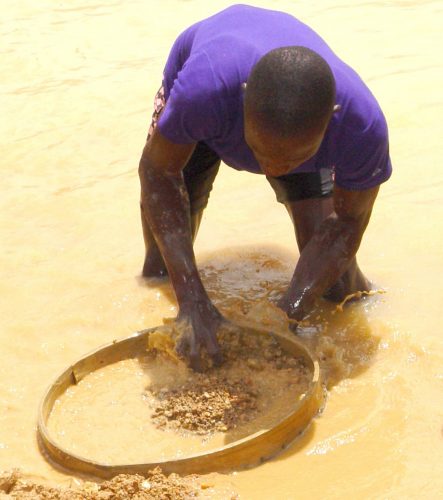
The extraordinary sensation of the piece of news is not surprising. As yet as 1972 in Sierra Leone a bigger diamond was found (Star of Sierra Leone, 968.9 carats). Due to the presence of all the necessary requisites, the tam-tam from the media has immediately started. The two factors that made the story propagate all over the world are, at the same time, responsible for limiting it to the superficiality of sensationalism: the size of the raw item (706 carats) and the generosity of the protestant priest who gave to his government the fruit of his accidental discovery, a sort of winning ticket for the lottery. This stand-out dimension along with such bizarre circumstances certainly attract the attention of an audience sensitive to the call of records obtained by the weights of precious items and by amounts of money donated out of an unusual generosity. However, apart from a few exceptions, the reports of media did not deeply link the event to the tormented recent history of the unfortunate African country. In Sierra Leone a devastating civil war, started just for the control of alluvial diamond areas, ended only in 2002 (75,000 victims and more than half a million fugitives, amputations, recruitment of child-soldiers, rapes, summary executions). In the new millennium the pacified country was the target of a joint attempt by international organizations (Diamond Area Community Development Fund and Peace Diamond Alliance) to create an economy that could ensure also the development of the numerous gangs (not in the criminal sense of the word but meaning associated groups of artisan searchers, working with a sieve). In 2004 a program named “small stone training” for small miner companies was activated aiming at teaching the methods to evaluate stones and sensitizing towards the exploitation of juvenile work and smuggling. However, the balance is discouraging as corruption, high taxation, the financing system and smuggling negatively impact on the beneficial effects on the numerous small mining realities. The priest’s donation can be interpreted as a stone thrown against the stagnating international attention towards the passage from conflict to development diamonds in contexts that are not dominated by mining corporations.
Gem News by Trasparenze News, published on Rivista Italiana di Gemmologia #1, May 2017.