For collectors and connoisseurs, antique gemstones hold a special allure. Each stone carries centuries of history, craftsmanship, and unique charm. But how can buyers be sure they are making a wise investment? In preparation for the new edition of GemGenève, scheduled for May 8-11, 2025, historic stone specialists Alain Weinberger, Dean König, and Julien Lorincz from Fima Diamonds shared their essential advice for purchasing these rare treasures at trade shows.
Here are seven key tips to keep in mind when buying antique gems:
-
Understand the Value of Antique Stones
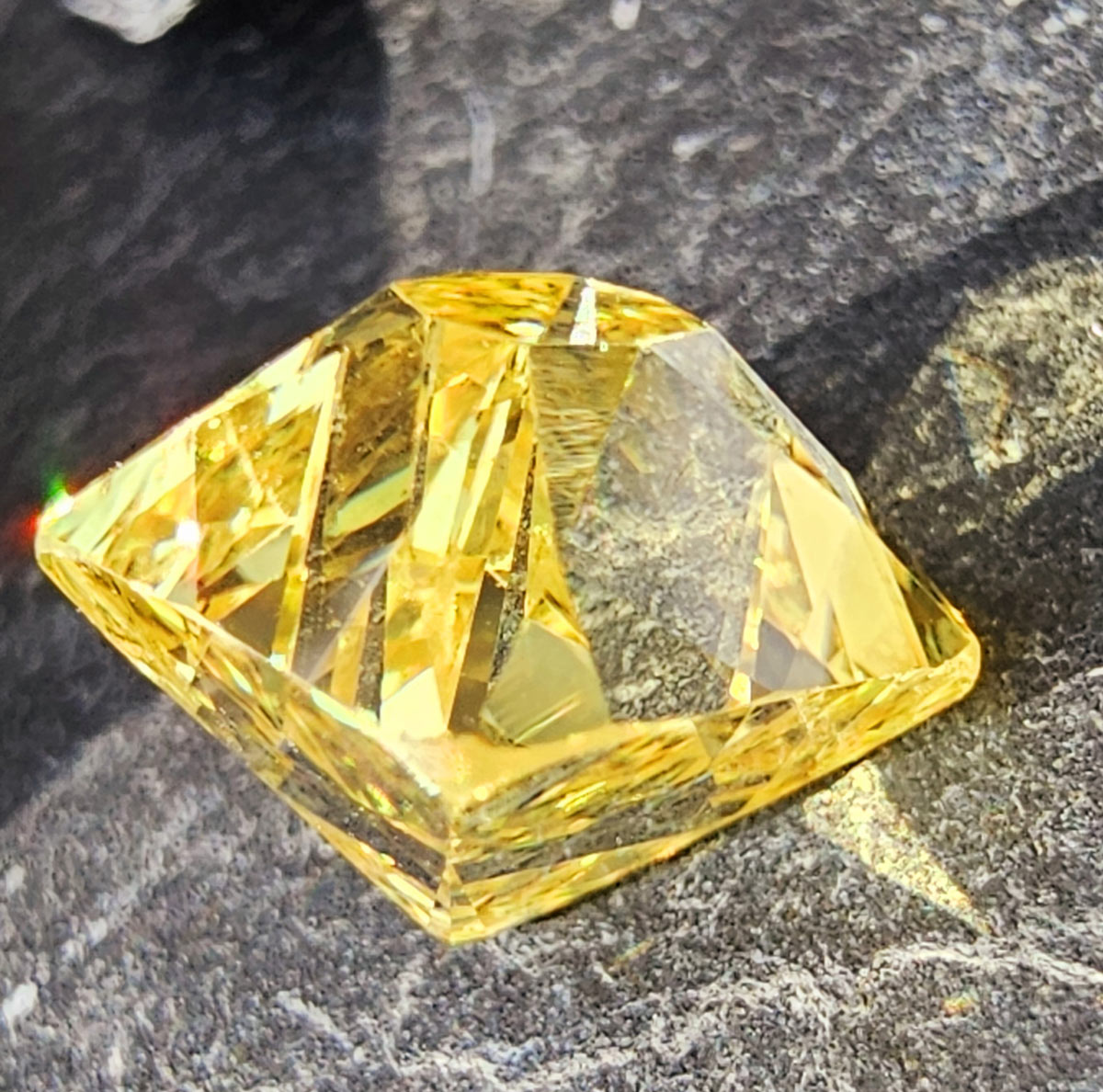
Luxury today values uniqueness and exclusivity. Unlike modern gems, antique stones were hand-cut by artisans using historical techniques, making each one truly unique. Their irregular cuts create a distinct way of reflecting light, adding to their character.
-
How to Recognize an Antique Cut
Modern gemstones often look identical due to standardized cutting methods. Antique stones, on the other hand, are one-of-a-kind, with subtle imperfections that reflect the tools and expertise of past artisans. These unique cuts set them apart from commercial gems.
-
Consider the Historical Context
Antique gemstones span many different eras, from Renaissance cuts to early 20th-century styles. Buyers should familiarize themselves with the historical significance of different periods to find a gemstone that resonates with their personal taste.
-
Evaluate the Most Sought-After Cuts
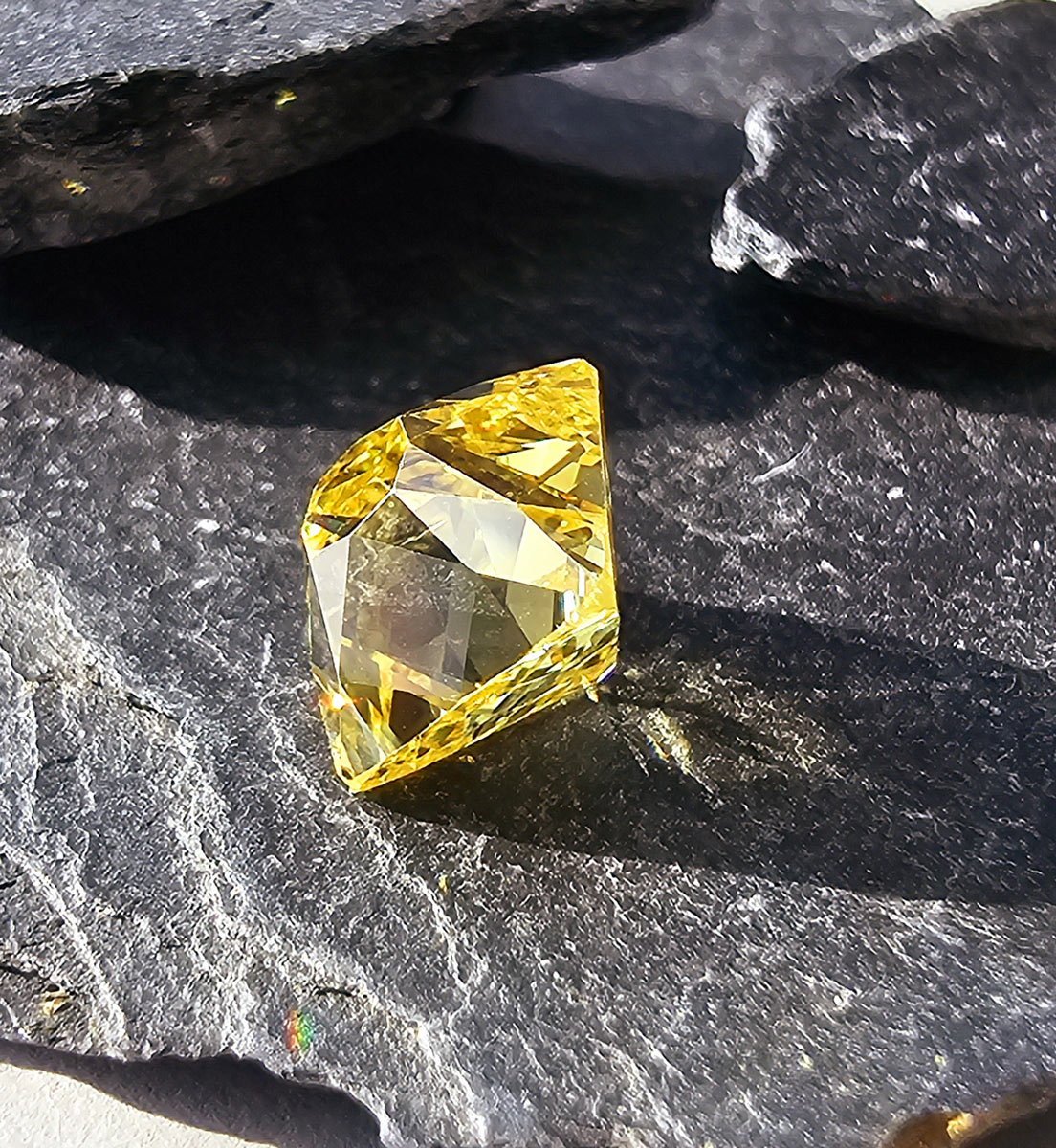
Certain antique cuts, such as the Mazarin cut (with 17 facets) and the Peruzzi cut (with 33 facets), are especially prized by collectors. Stones from the legendary Golconda mines are also highly desirable.
-
Trace the Stone’s History
An expert can analyze a stone’s faceting style and imperfections to determine when and how it was cut. The tools used by historical lapidaries evolved over time, leaving distinctive marks that help date the gemstone.
-
Preserve the Stone’s Originality
Unlike modern gemstones, which may be recut to remove flaws, antique stones are often left in their original condition to maintain their historical integrity. Preserving these imperfections keeps the stone’s unique story intact.
-
Explore Modern Interpretations of Antique Cuts
If finding a true antique gemstone proves difficult, consider stones cut in a historic style using traditional techniques. These modern recreations offer the beauty of antique designs while ensuring greater availability.
With these expert insights, buyers can confidently navigate the world of antique gemstones, ensuring they acquire a piece of history that is both valuable and meaningful.