This content was first published on IGR – Italian Gemological Review no. 5 in 2018. The information provided here is therefore current as of the original publication date.

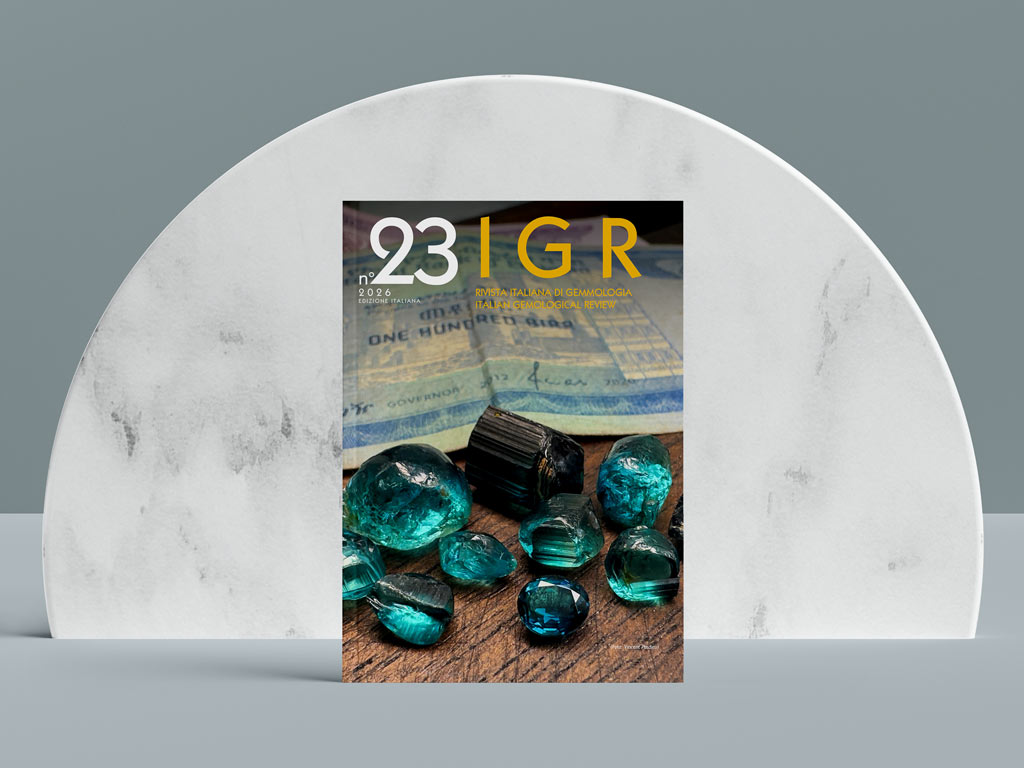
Some African gem rich countries are recently experiencing new policies aimed at gaining full control of their mineral wealth. DRC, the Democratic Republic of Congo certainly is not among them. A country with frequent conflicts between armed groups fighting each other to control disputed territories, Congo can’t count on a strong political leadership concerned with developing and modernizing the mining sector more than just collecting easy money. The statistical data, if any, are unreliable, the total production and the income from gem mining activities (like any other mineral item) are unknown figures. The geopolitical context is determined by endless conflicts between governmental forces, militia and weak peacekeeping missions. This is the framework affecting the tourmaline of Congo, since 2012 increasingly offered on the main gemstones’ markets. It belongs to the wide and numerous pegmatitic fields of the Central African region.
The gemological literature takes in consideration the tourmalines of Congo but a broad and modern mining development project is missing. Many hurdles are there, high or illegal taxation from local authorities, corruption, excess of bureaucracy in the few authorized export centers, poor technical knowledge of gemstones. Tourmalines are sourced in Kivus, an Eastern province which is unstable and far from Kinshasa, the capital city. Numbi and Goma, on the border with Rwanda, are the most important trade centers. It’s no coincidence that most of the tourmalines extracted in Congo are then exported through Rwanda and Tanzania. The international buyers find in neighboring countries better conditions of safety and cheaper costs.
Gem News published on IGR – Italian Gemological Review #5, Autumn 2018