This content was first published on IGR – Italian Gemological Review no. 15 in 2022. The information provided here is therefore current as of the original publication date.

The “IV National Conference Diamond and Coloured Gems: Identification, Tracing and Ethic Aspects” was held in Ferrara, Italy, on July 7-8, 2022 at Palazzo Tassoni Estense. As was the case for last edition in 2021 held in Bari, IGR promoted the event, which was well attended, contributing as Media Partner to its dissemination, at both national and international level.
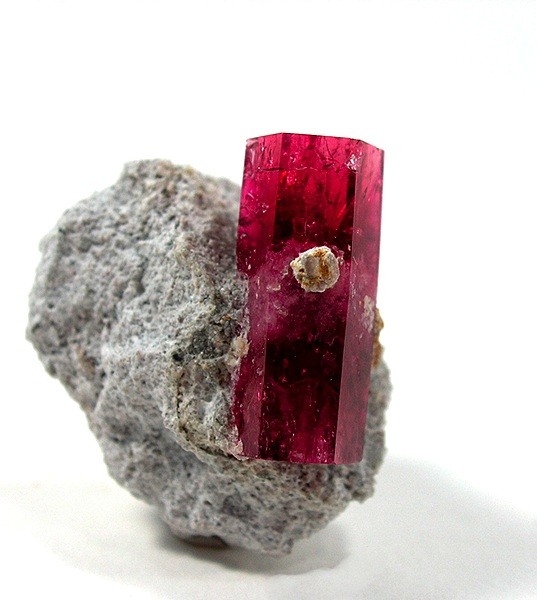
Ilaria Adamo (Istituto Gemmologico Italiano) profiled the rare variety of red beryl, dwelling on the distinction of the natural mineral, whose color is due to traces of manganese, from its synthetic counterpart. The only current red beryl deposit of commercial interest is in the Wah Wah Mountains, Utah, United States. To satisfy the market request, red beryl is also being lab grown by hydrothermal synthesis using various chromophore elements as dopants. A comparative investigation, using a multi-methodological approach, shows that the distinction between natural and synthetic red beryl is possible on the basis of the inclusions present and their crystallochemical and spectroscopic (IR, Raman and UV-Vis-NIR) characteristics.
Loredana Prosperi (Istituto Gemmologico Italiano) presented the subject of colored diamonds, offering a recap of the factors influencing and determining the color perception, a psychophysical property that depends on the type of illumination (incandescent light, fluorescent tube or daylight), background, chromatic memory, analyst fatigue, retinal condition and age. The rods and cones are the human cells where color is discerned. They are responsible for brightness and color determination and are unevenly distributed between men and women. Women perceive more colors.
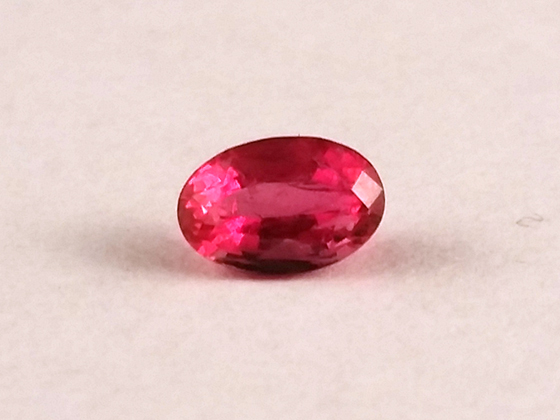
Diamond color is divided into two major areas: the “colorless” area (i.e., diamonds with yellow, brown, or gray shades whose saturation falls within the range of the D-Z color grading scale) and the fancy area, that is the area of colored diamonds.
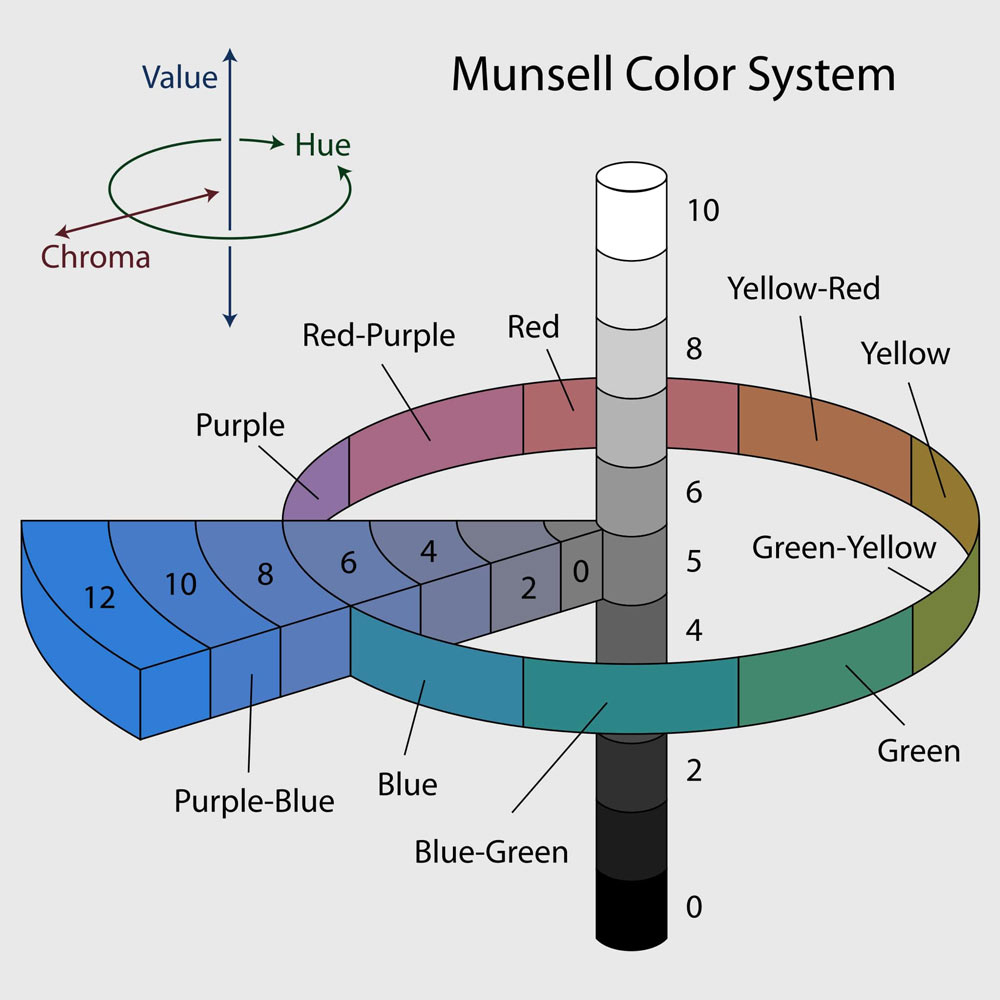
On the colorless scale (D to Z), the less colorful the diamond, the greater its rarity and value, while the exact opposite is true for fancy colored diamonds: the greater the color intensity, the greater the gem’s value. Gems with color beyond Z are classifiable as fancy and are so named only when they are natural and therefore untreated. There are no reference masters for the lab assessment work and so gemologists must refer to Munsell tables for chroma, hue and value. The area on which the color must be carefully identified is where most distinctly the color passes through; the gemstone shall be observed top to bottom and not from its side.
Article by Paolo Minieri and Stefania Coppola, published on IGR – Italian Gemological Review #15, Autumn 2022.