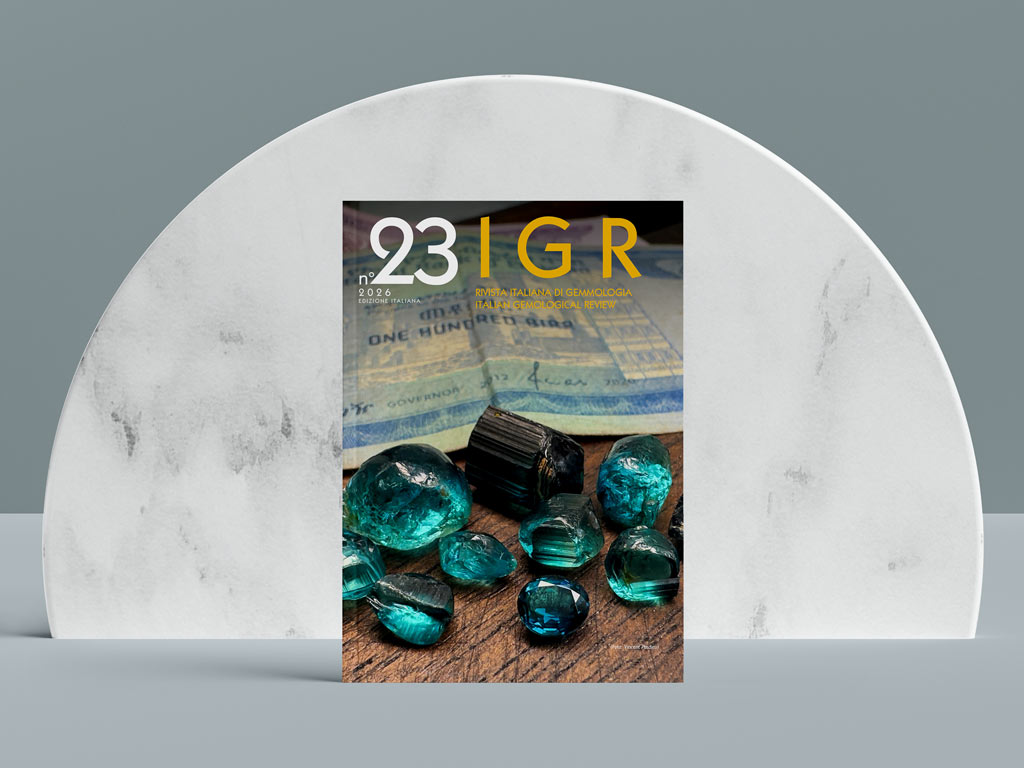
This content was first published on IGR – Italian Gemological Review no. 17 in 2023. The information provided here is therefore current as of the original publication date.

To scientists, the tiniest, almost elusive minerals are incredibly valuable friends, even more so than the diamonds they contain. They serve as detectives, digging from the depths of the Earth to provide us with data, clues, and evidence of how our planet has evolved (let me recall Fabrizio Nestola’s fascinating presentations at the Ferrara and Rome conferences). Embracing these intruders, making them our confidants so that they can reveal the secrets of matter, helps us find our place in the Universe. Conversely, indifference to other intruders, the unfortunate souls on overcrowded boats capsizing in the Mediterranean, making them our adversaries in the hope that they will disappear, condemns us straight to hell.
From a gem trade perspective, what about gem inclusions? Among the big players only Catawiki seems to make it a card to play. On the contrary, for a long time, jewellers regarded them as foreign bodies, insignificant nuisances. The annoying silkiness of rutile needles? A setback. It clashed with that pristine purity, that aesthetic smoothness, painless and free of excess, that the emerging wealthy classes cherished as they bought jewelry to bask in their new material prosperity. That wonderful clarity eventually became boring. The paralyzing white would have been spoiled by the blasphemous cuts of Lucio Fontana’s canvases.
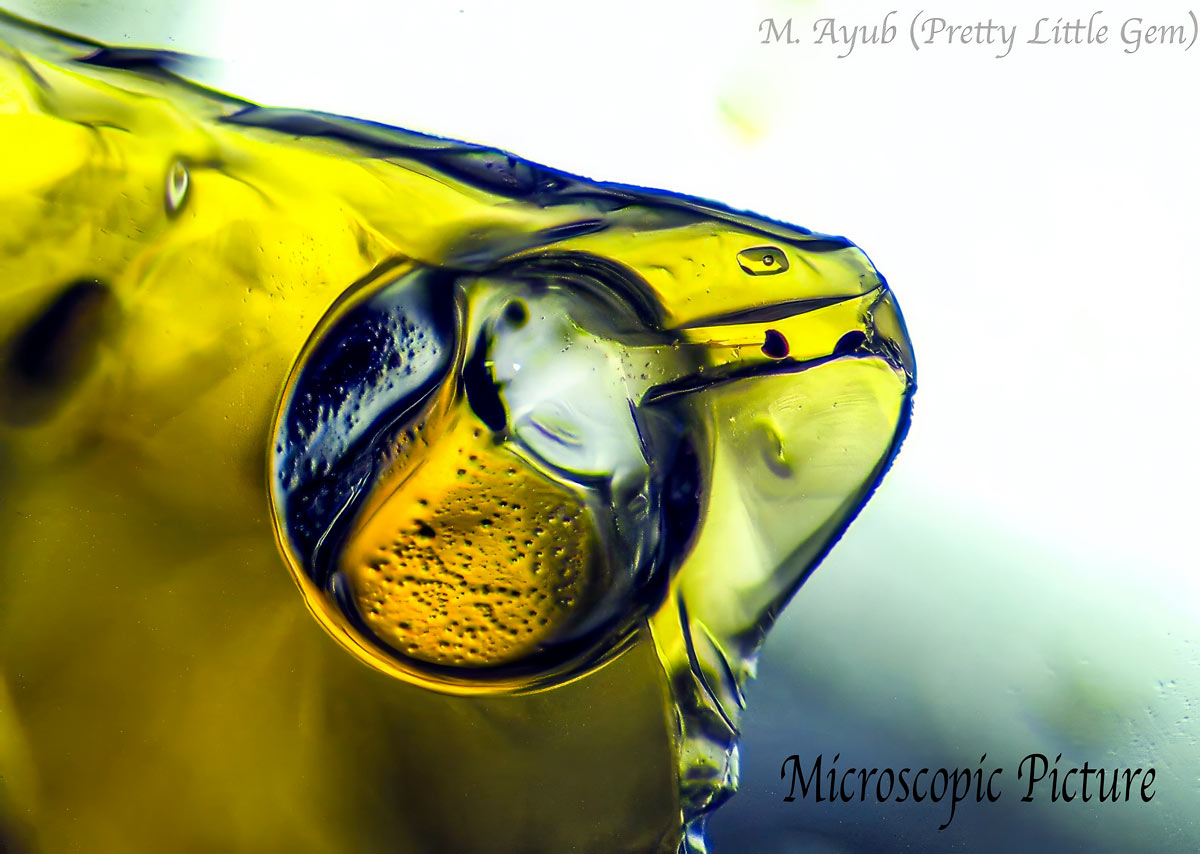
The aesthetics of the triumphant prosperity in the recent past demanded clean surfaces and a focus on primary colors. The stains of intrusive substances were seen as impurities, as wounds. Progress, from both the left and the right, meant the laudable cleansing of the world of ambiguity. It was as if the trade had dictated to the industry: exclude inclusions from gemstones as much as possible. Was there a time when rough gems were always cut to get rid of them.
They were given a thorough heat treatment, a purification ritual akin to Robert Duvall’s ruthless character in Apocalypse Now («I love the smell of napalm in the morning. You know, one time we had a hill bombed for 12 hours. When it was over, I went up. We didn’t find a single one of them, not a single stinking body»).
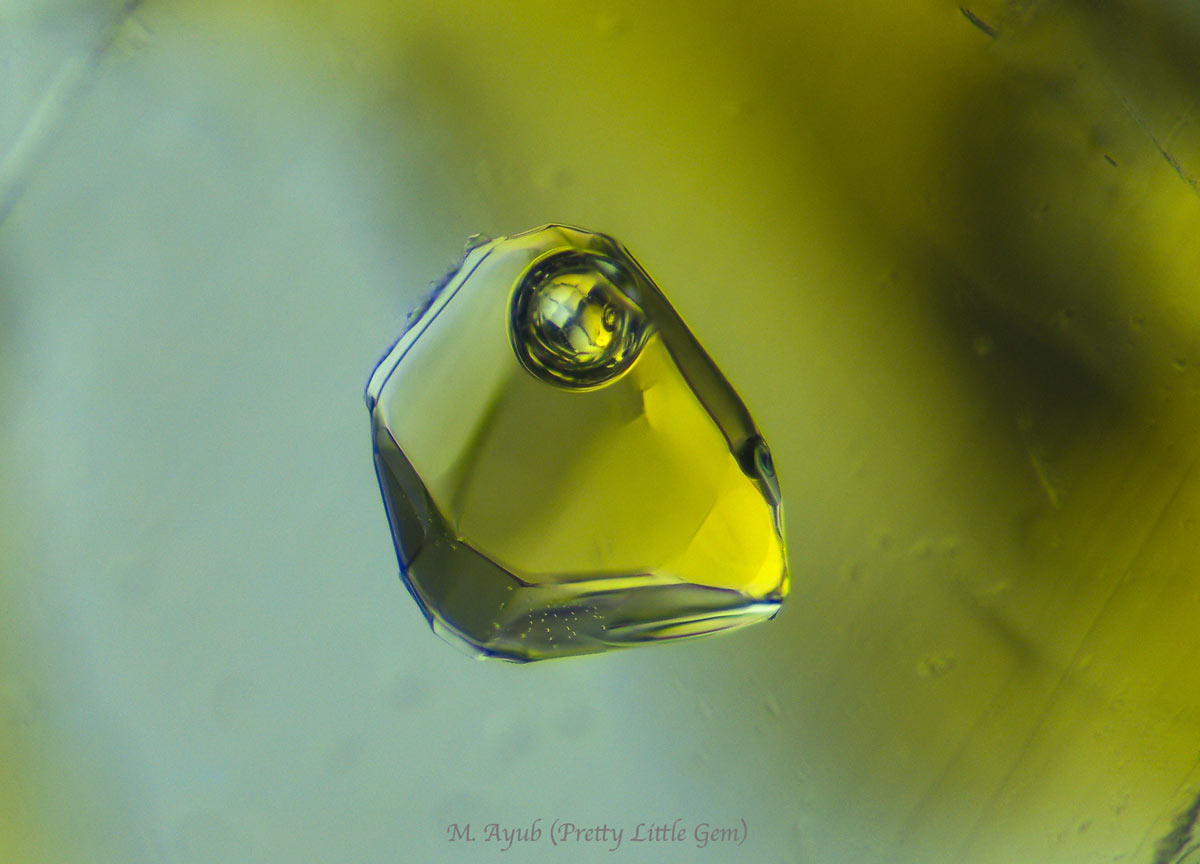
When my friend Michele Macrì sketches the outlines of his rough corundums (sometimes red and blue together), he leaves them two-toned, mysterious, primitive. Letting the stones retain their inclusions, even emphasizing them, is an act with the same revolutionary significance as our neorealist cinema. Suddenly, moviegoers were no longer confronted with the glamorous lives of playboys and femmes fatales lounging in their opulent mansions, cleansed of noise and traffic. Scripts suddenly included (here goes the word “include” again) working-class apartments, authentic stories, dialogues heard on the streets every day. In this perspective, hematite inclusions, pyrite or dendritic formations in quartz are signs of a mood that I would boldly call mineralogical realism, where geological eras release “real” signs like the shoes of Giulietta Masina or the wrinkles of Anna Magnani. Directors were like minerals, ready to collect all the evidence of what really happened, while excessive embellishment suddenly appeared as a clumsy disguise imposed by humanity’s greed to force matter to carry only conventional signs. Those who conceive, those who accept inclusions, host them, are the people who love life, read and understand the signs of others, see the nuances, distrust mirrors, give importance to details but not to quibbles, engage in dialogue, collaborate, have no prejudices or envy and do not consider themselves superior by divine right.
Editorial by Paolo Minieri, published on IGR – Italian Gemological Review #17 – Autumn 2023