This content was first published on IGR – Italian Gemological Review no. 3 in 2018. The information provided here is therefore current as of the original publication date.

Gem mining requires huge investment programs to operate as a large scale industry and fuel an adequate acquisition of costly machinery increasingly needed to keep on with the production targets. Auctions are the key factor to achieve cash flow.
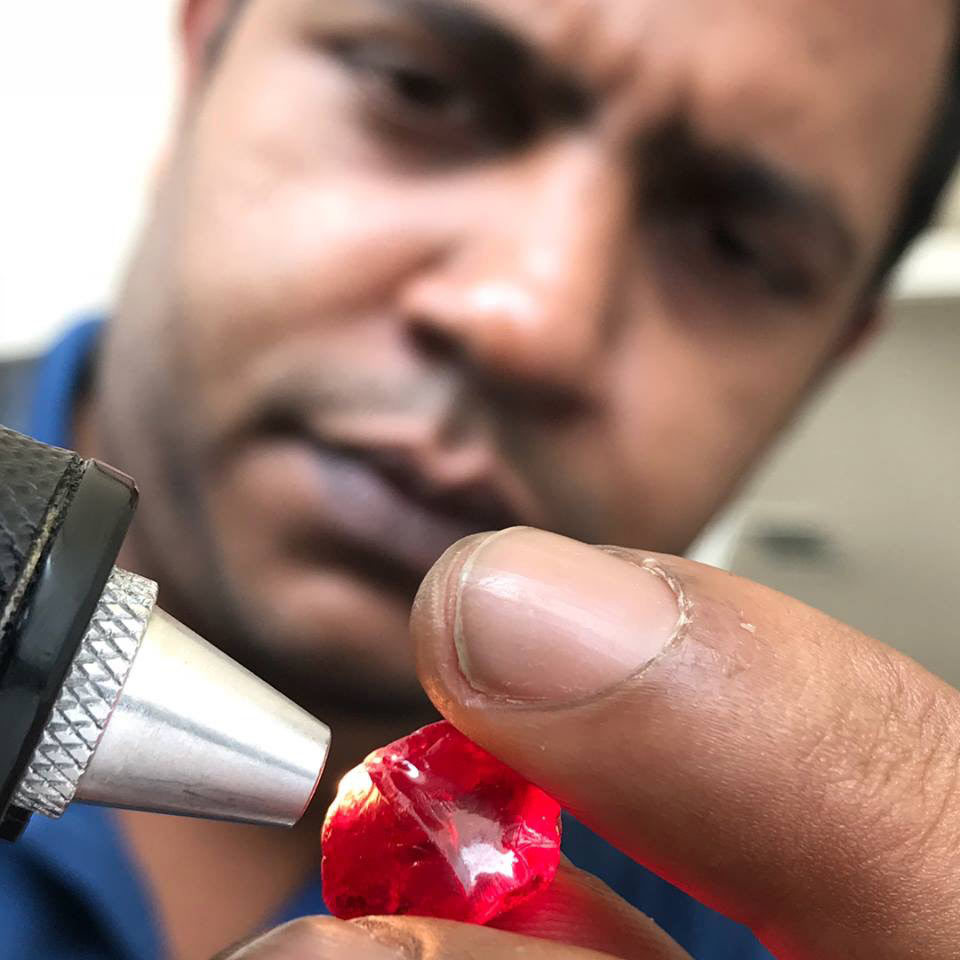
Artisanal exploitation is declining. Yet rubies can count on a potential market worldwide of about 2 billion US$ covering just a small percentage of the big cake of the luxury goods worth 250 billion US$. This is the direction but the results seem to be contradictory. On October 30 the inaugural auction of Mustang, a ASX-listed mining company currently focused on developing its Montepuez Ruby Project in Mozambique was concluded.
Mustang is operating extraction activities in a area covering 19,500 hectares directly adjacent to the world’s largest ruby deposit discovered by Gemfield. The company worked hard to bring to the auction an inventory of rough rubies as large as possible.
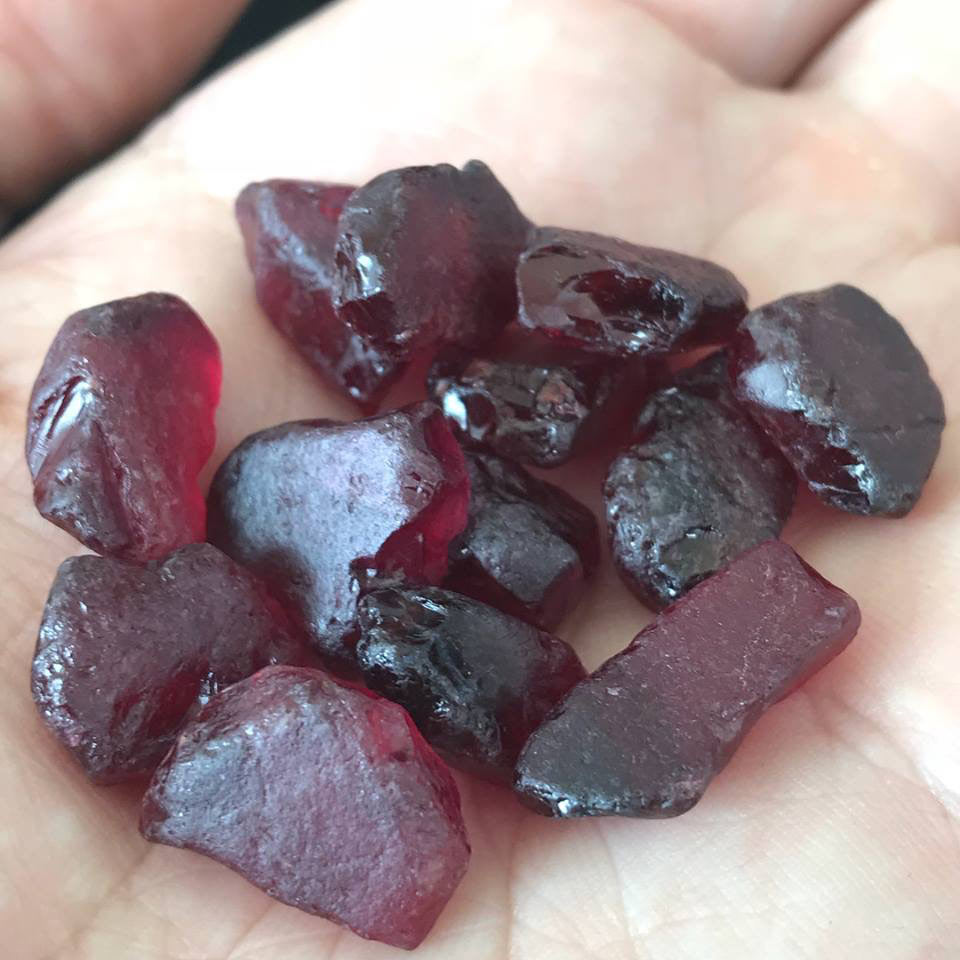
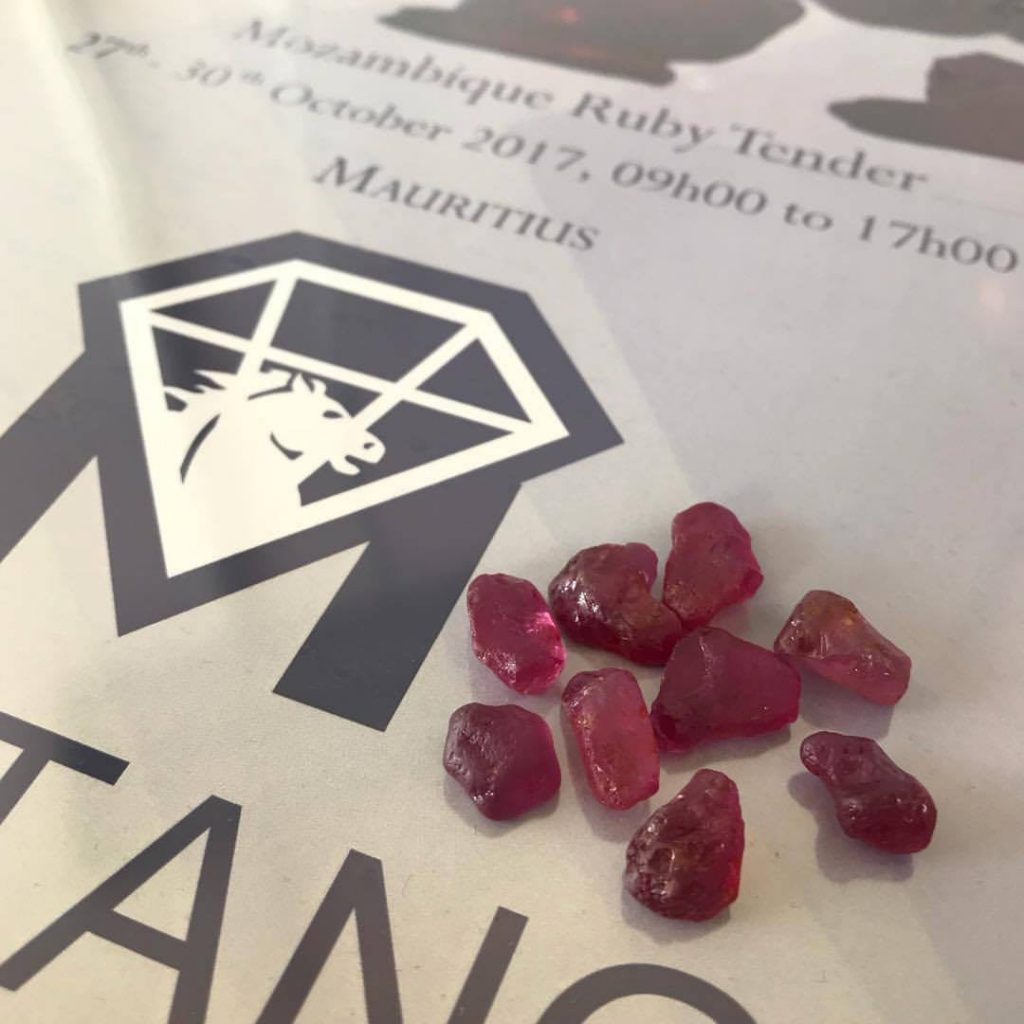
The fact that the first and historical Ruby auction held by Gemfields in Singapore in 2014, totaled US$ 33,5 million, was quite encouraging for Mustang. But this time the performance was definitely disappointing as the Managing Director Christiaan Jordaan admitted. Only 29,463 carats have been placed, a mere 7% of the offer (ranging from 4.6 to 1,450 US$ per carat, averaging 18,56 US$. Total sales reached 547,000 US$). As a consequence he resigned.
Possibly to enter the market they had to pay the price. The lots were not properly selected and offered in the adequate quantity to match the current requirements of the market that is targeting calibrated stones with homogeneous colors and features. These mistakes should be amended by the next scheduled auction of mid-2018. In the meanwhile the projects for a fast development of the mining activities aiming to produce 2 million carats from the current 400,000 tones have been postponed. On the other side Gemfields scored in November 2017 a record auction revenues of nearly US$ 55 million, an all-time high that contributed to generate US$ 340 million in aggregate revenues.
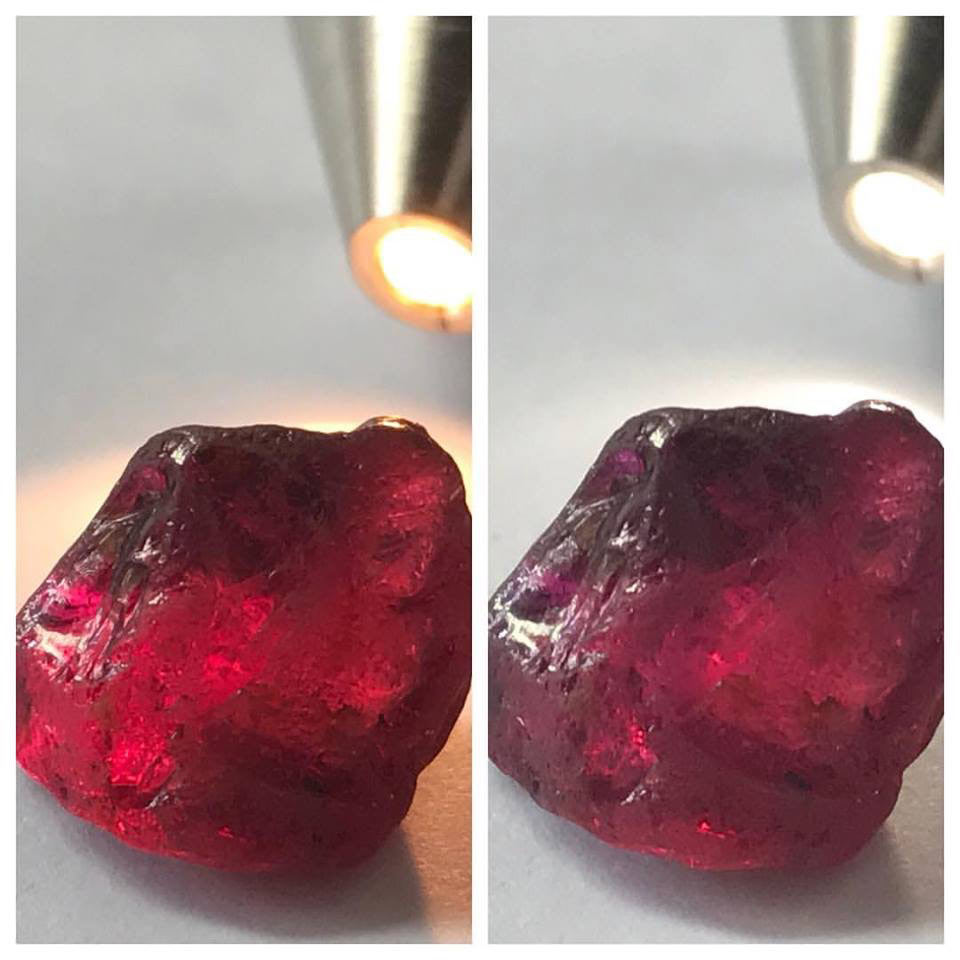
Vincent Pardieu (Vincent Pardieu Consulting) as a specialist of Rubies from Mozambique participated in most of the auctions of Gemfields as well as the inaugurating one of Mustang. He documented the material offered in the lots providing first hand informations.
Pardieu is the author of the article “Gem mining and conservation in Mozambique and Madagascar”, published on IGR – Italian Gemological Review #2 (September 2017).
How can gem mining be combined with protected areas and conservation? Rubies can save the wildlife. The emerging buyers of precious stones are attracted by the call for Fair Trade and responsible sourcing. The author points out in this issue the critical relation between the value of unspoiled environment and the reasons of the mining activities in Madagascar and Mozambique.
Article by Paolo Minieri, published on IGR – Italian Gemological Review #3, January 2018.