This content was first published on IGR – Italian Gemological Review no. 14 in 2022. The information provided here is therefore current as of the original publication date.

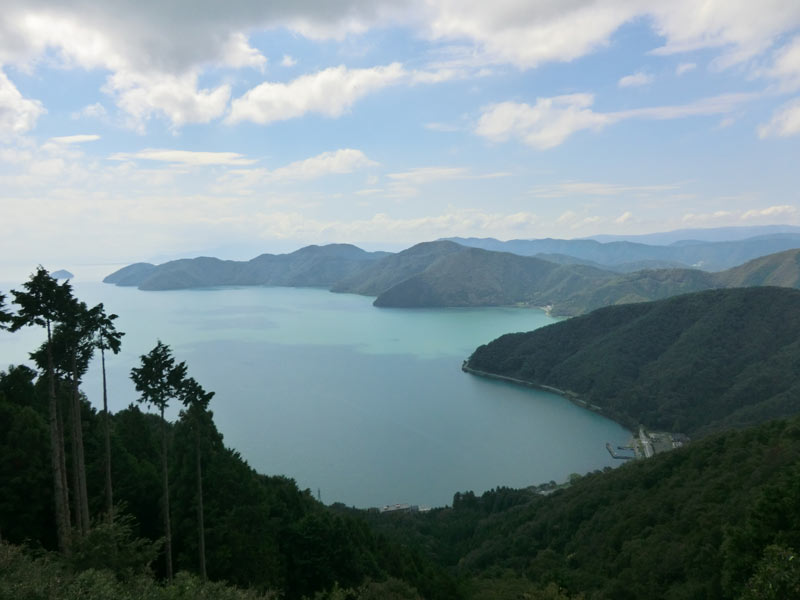
Formerly known as Lake Ōmi, Lake Biwa is the largest freshwater lake in Japan and is located in Shiga Prefecture (central-western Honshū), northeast of the former capital Kyoto. It is renowned as the birthplace of freshwater pearl farming, where the cultivation technique was started almost a century ago. Prior to China’s explosive entry among the producing countries, unbeaded cultured pearls experienced a golden season in Japan that reached its peak in the 1970s. The mollusk Hyriopsis schlegelii, which was originally used for pearl cultivation, is a species indigenous to Lake Biwa and is on the endangered species list due to environmental changes since the 1980s. Pearls are still obtained from the lake but now a hybrid species (Hyriopsis schlegelii × Hyriopsis cumingii) is being used.
The Japanese market is the expression of a particularly sophisticated taste and has decided to reward the old generation of pearls, those cultivated in the Hyriopsis schlegelii mollusk, which have recently become a vintage product. This has raised a rather serious problem of gemmological identification.
A point of view regarding the separation between freshwater pearls according to their origin and the mollusks used was made in volume 55 of Gems & Gemology, Spring 2019 (Artitaya Homkrajae, Ziyin Sun, Troy Blodgett, and Chunhui Zhou, “Provenance Discrimination of Freshwater Pearls by LA-ICP-MS and Linear Discriminant Analysis”). Further investigation show that microradiography and LA-ICP-MS are the most important tools for trace element identification that can detect provenance and species. Internal and external characteristics along with trace element chemistry can be useful in distinguishing vintage Biwa cultured pearls from their more modern counterparts.
Gem News published on IGR – Rivista Italiana di Gemmologia #14, Spring 2022