In the realm of the lab-grown diamond industry, trade associations have often failed to provide a unified voice and effective marketing. Rob Bates of JCK recently interviewed David Sherwood, CEO of Daniel’s Jewelers and a member of the advisory board of the new Grown Diamond Trade Organization (GDTO), to understand how this initiative could transform the sector.
Sherwood explained that the GDTO emerged from frustration over the lack of an organization that adequately represented the lab-grown diamond industry. Previous associations were primarily led by producers, leaving retailers out of the decision-making process. The GDTO, however, aims to actively involve retailers to create a more balanced representation.
One of the GDTO’s main innovations is that it will take care of issuing lab-grown diamond reports directly. Sherwood emphasizes that these diamonds, being manufactured in a lab, should not be certified in the same way as natural diamonds. «When Samsung produces a television and tells you it’s 65 inches and 1,080 pixels, you don’t take it out of the box and send it to an independent lab», Sherwood explains. GDTO reports, which will cost around $3-5, will offer — according to Sherwood — an appropriate and accessible evaluation, eliminating the need for expensive reports from traditional gemological labs.
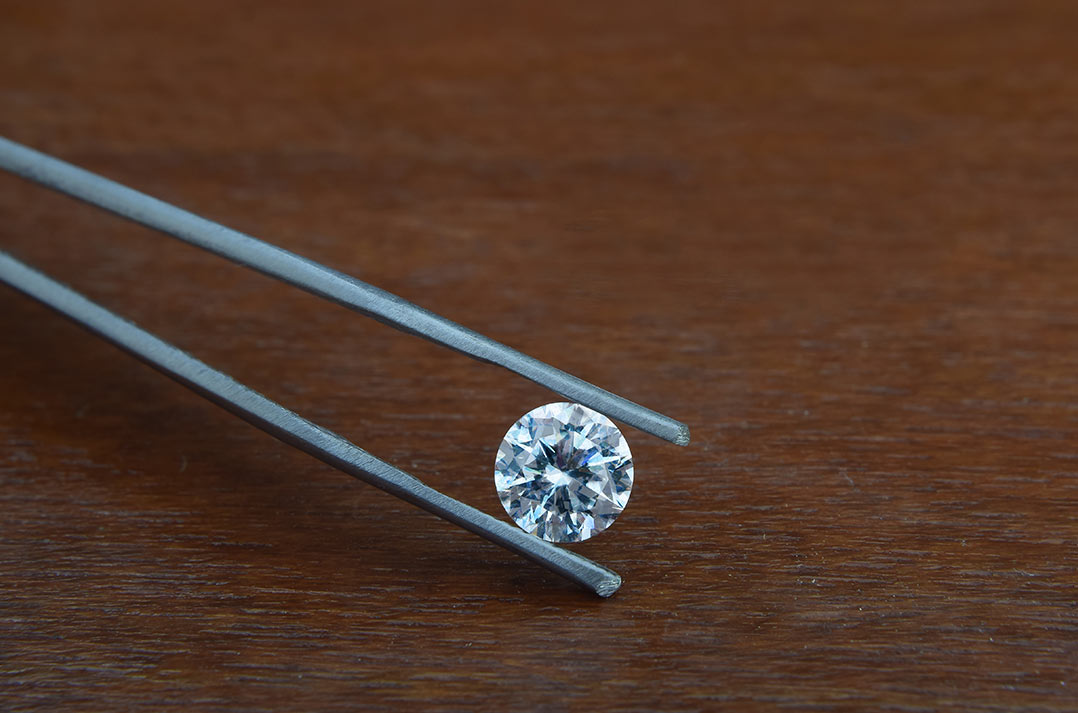
«My personal opinion is that [the labs] did a disservice to the entire industry by putting the certs of lab-grown next to the certs of mined», “Hello,” Sherwood states in the interview, targeting reports from leading gemological institutes. «My customer walks in and it’s hard for me to tell a story about how these two products are different, when they see the same certs for both. I don’t think the labs should be in this business, frankly».
Another key point is the issue of sustainability. Sherwood acknowledges that the current system for assessing the sustainability of lab-grown diamonds is not perfect, but it represents a first step towards greater transparency. The GDTO will require suppliers to provide data on renewable energy usage, labor rates, and waste management. This information will be used to create a simple sustainability score on a 0 to 100 scale, making it easier for consumers to understand the environmental impact of their purchase.
Sherwood hopes that the GDTO can become a reference point for the industry, similar to what the Diamond Promotion Service did for natural diamonds in the past.
Additionally, Sherwood highlighted a significant shift in the approach to gemological reports. Recently, synthetic moissanite has also begun to receive reports, thanks to an agreement between the International Gemological Institute (IGI) and Charles & Colvard. This development indicates a growing trend towards the classification of synthetic gems, underscoring the importance of having independent and reliable standards and reports.