This content was first published on IGR – Italian Gemological Review no. 19 in 2024. The information provided here is therefore current as of the original publication date.

The foundation of all communication is mutually agreed upon definitions. While the Western world struggles to define what a woman is, Richard W. Hughes, Kaylan Khourie, Liu Shang-i (‘Edward’) and Zhou Zhengyu (‘Adam’) focused their combined attention and co-authored “Broken Bangle — The Blunder-Besmirched History of Jade Nomenclature”.
Calling upon the world gemological community to replace its use of “jadeite” with “fei cui”, this team of world-renowned jade experts draw upon China’s rich historic love affair with all things jade including jadeite, nephrite, and several other materials the Chinese have traditional categorized as jade, and present their rational and practical case for the use of fei cui rather than jadeite.
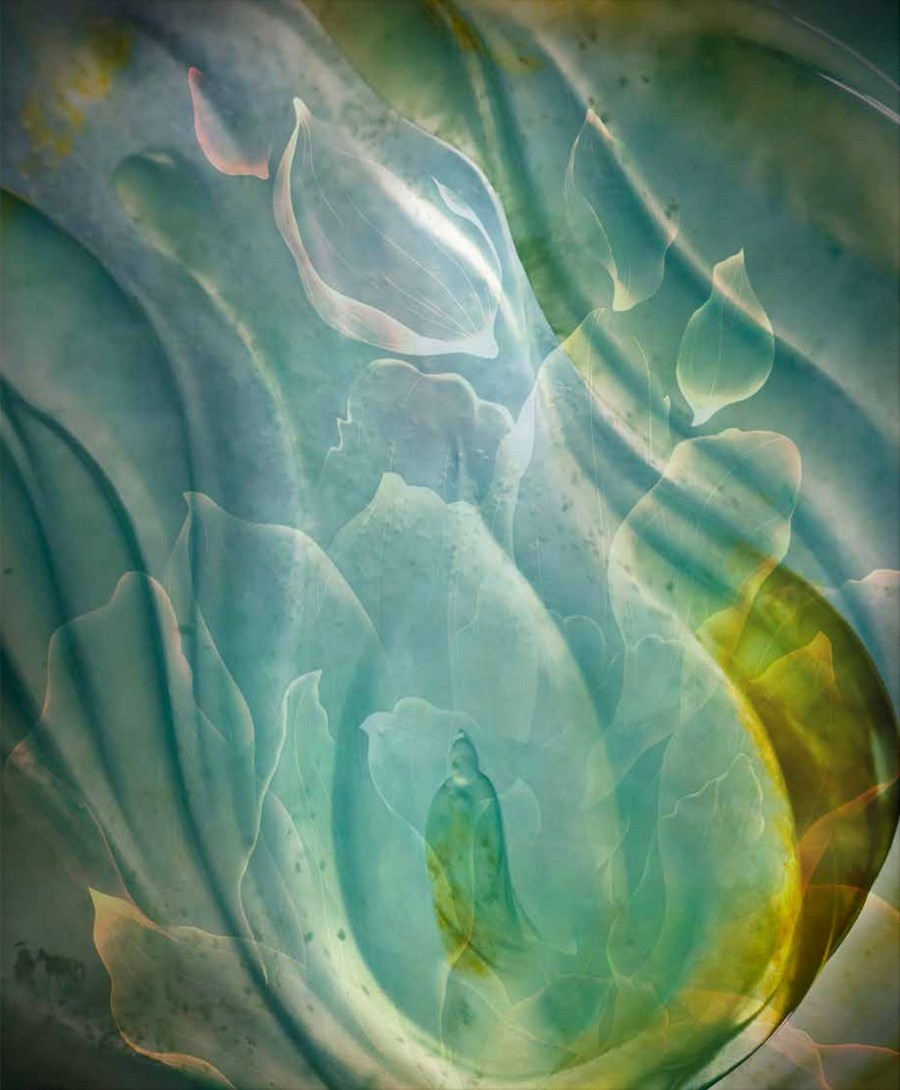
To call jade a complex subject would be a gross understatement. To illustrate my point, imagine my bewilderment when I visited the Shanghai Natural History Museum and found turquoise in a showcase labeled jade! Given the history of jade goes back more than 10,000 years before the advent of modern gemological classification, this should have come as no surprise.
Traditionally, jade has been broken down into two categories: nephrite, or ‘amphibole jade’ and jadeite, ‘pyroxene jade’, which the authors propose be called fei cui, rather than jadeite. “Fei cui” can be composed of three closely related pyroxene minerals — jadeite, kosmochlor and omphacite. As the authors write, «In recent years, it was also discovered that some intense to vivid green fei cui specimens formerly thought to be pure jadeite are in fact intergrowths of jadeite, omphacite and/or kosmochlor». Hence the necessity for renaming all jadeite as “fei cui”!
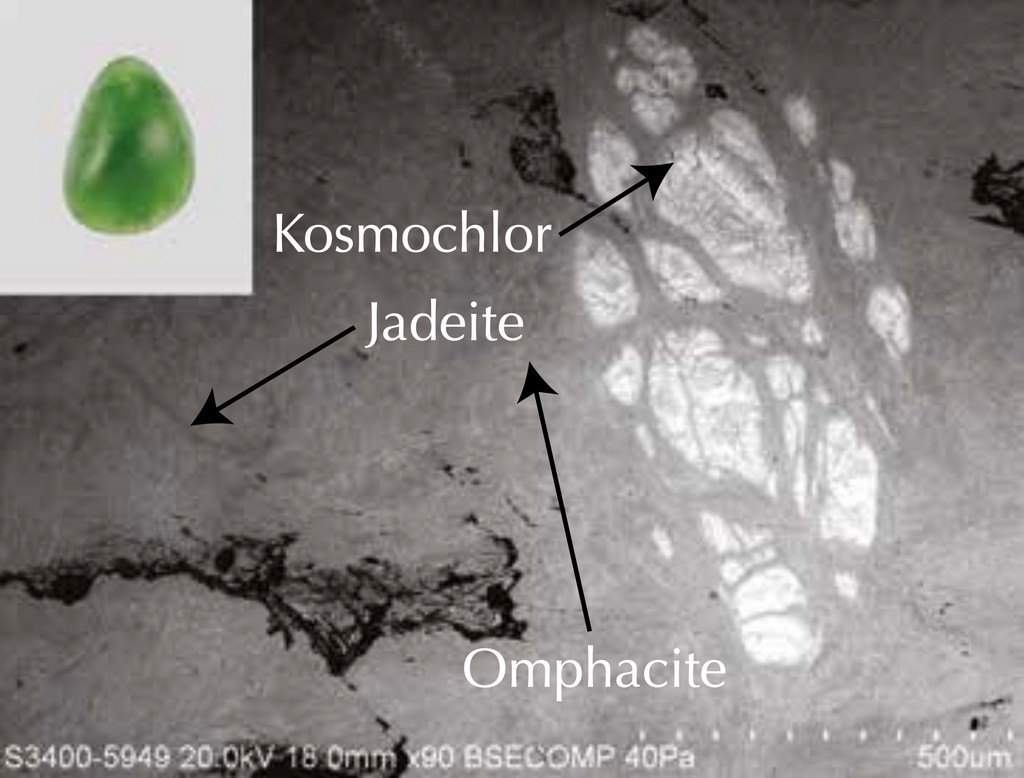
omphacite, kosmochlor and jadeite. Specimen, photo and imaging: Liu Shang-i (‘Edward’); size of gem:
12.3 × 10.1 × 3.6 mm.
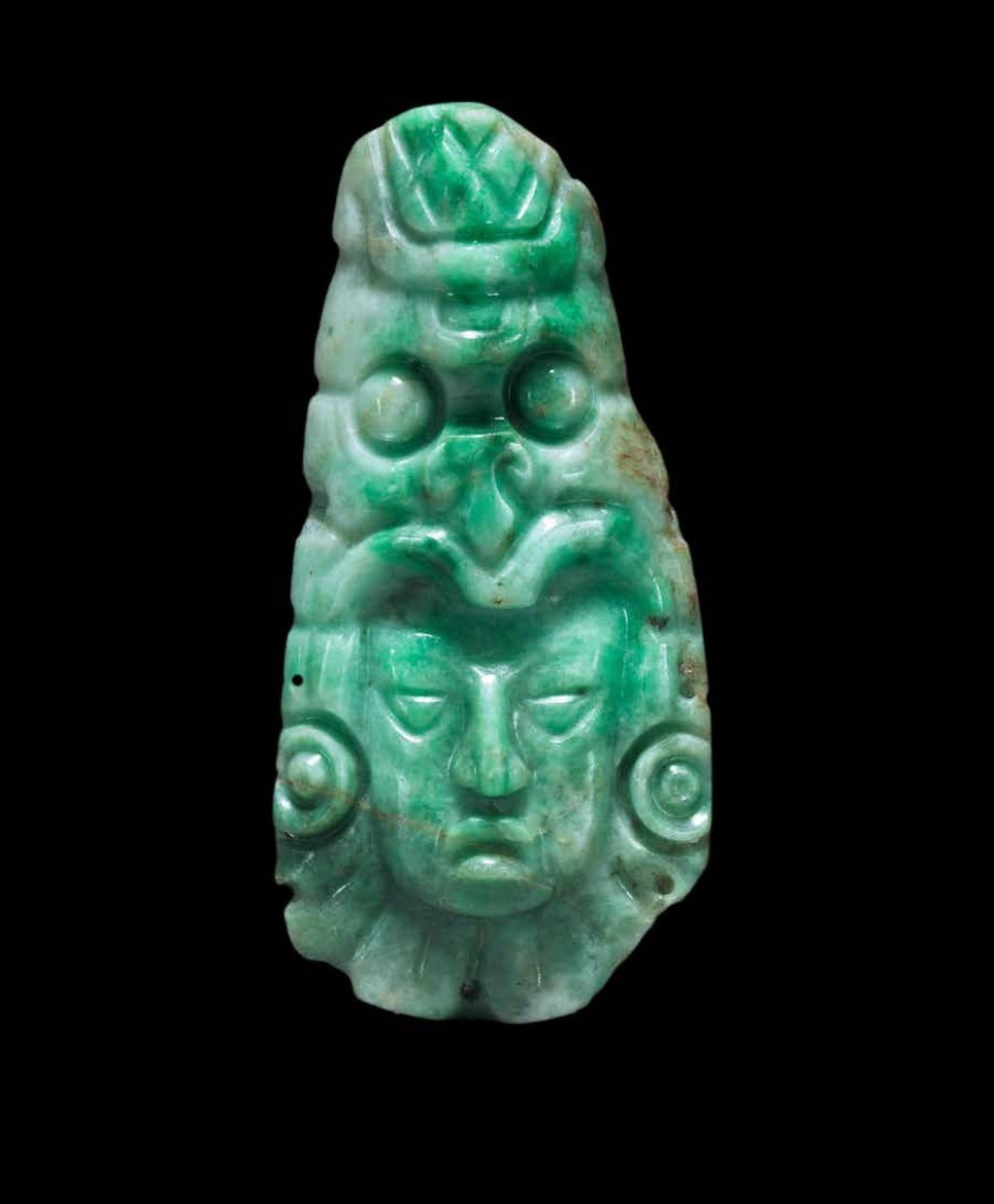
Broken Bangle is resplendent with stunning photos of “fei cui” ranging from crude Mayan carved ornaments over 1000 years old, to exquisite contemporary “fei cui” sculptures by Chinese Master Qingfang Zhuang. Whether you are a hardcore gemologist, or just a garden variety jade lover, “Broken Bangle — The Blunder-Besmirched History of Jade Nomenclature” is the book for you. Buy it, read it yourself, and give it away. I enthusiastically give Broken Bangle a Two Thumbs Up!
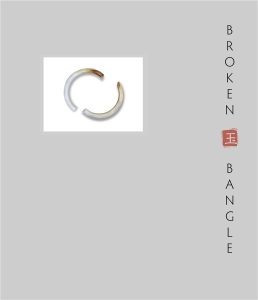
“Broken Bangle — The Blunder-Besmirched History of Jade Nomenclature”
Liu Shang-i (‘Edward’), Richard W. Hughes, Zhou Zhengyu (‘Adam’), Kaylan Khourie
Published in Thailand by Lotus Gemology in September 2024.
120 pages, illustrated, hardcover format 24 x 28 cm
ISBN: 9780964509788
Available in English language on www.lotusgemology.com/resources/books
for the price of 2100 THB (about 63$) + shipping.
Article by Jeffery Bergman, published on IGR – Italian Gemological Review #19 – Autumn 2024.