This content was first published on IGR – Italian Gemological Review no. 19 in 2024. The information provided here is therefore current as of the original publication date.

A recent GIA article, published on Gems & Gemology, Vol. 60, No. 1, explores the Tianhu East turquoise deposit, located 180 km southeast of Hami in the Xinjiang Uyghur Autonomous Region, China. Historically exploited between 1279 and 379 B.C., this site has recently come to the fore with new mining activities around 2015.
The Tianhu East Turquoise forms in quartzite fractures of the Cambrian Pochengshan Formation and is attributed to a supergene alteration process. This deposit is characterised by high concentrations of elements such as lithium, vanadium, chromium, strontium and gallium, with a low barium content. But it is the presence of atacamite, a mineral so far found only in New Mexico deposits, that makes the Chinese deposit so rare.
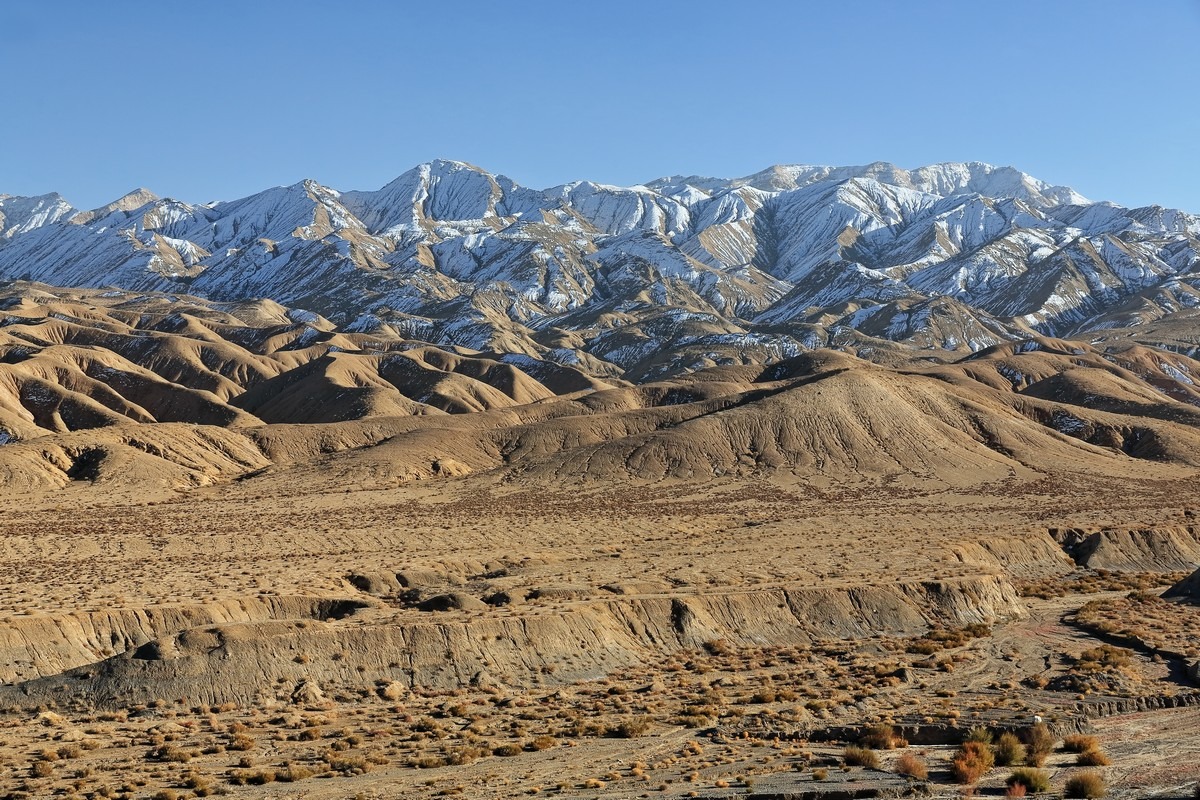
This GIA study offers insight into the genesis of the Tianhu East turquoise, providing new perspectives on the formation and characteristics of this precious mineral, and highlights the importance of meteoric water in the formation of turquoise in arid environments.
Gem news published on IGR – Italian Gemological Review #19 – Autumn 2024.