




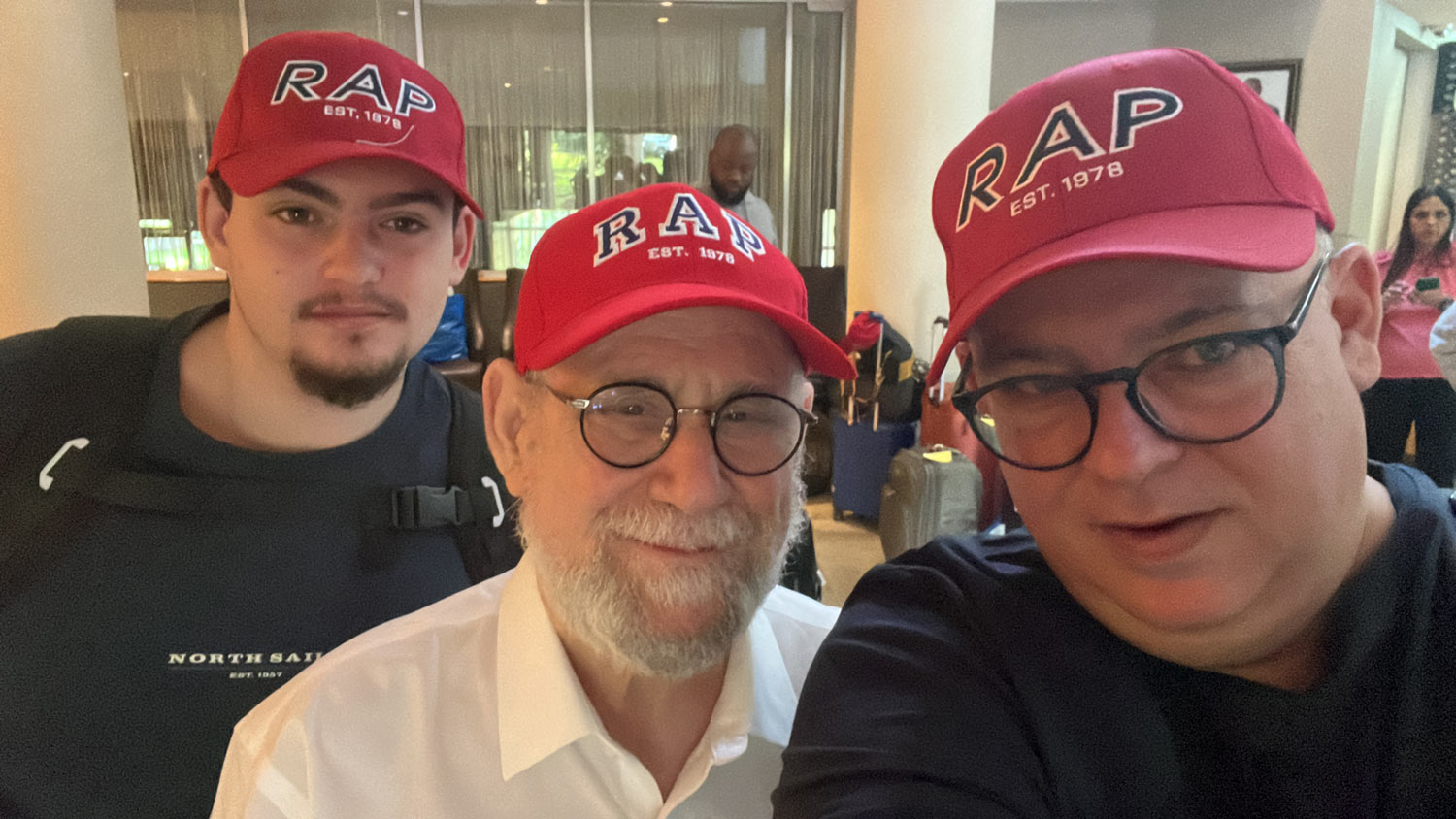
Who is Martin Rapaport?
Who is Martin Rapaport, the iconic figure synonymous with the diamond industry? His name frequently graces conversations, yet he remains somewhat elusive to many. He is one of those figures who appears to be known to all, while simultaneously remaining a somewhat challenging to define. Engaging directly with Martin, however, reveals a pragmatic and resolute individual. His unique vision of the diamond trade possesses the potential to profoundly influence one’s perspective and, in certain cases, even catalyze life-altering transformations.

Martin Rapaport boasts an impressive résumé, and his reputation was rather intimidating to me. However, many aspects of his career piqued my curiosity, mainly his impressive informative work. He pioneered a range of essential auxiliary services, which have become indispensable for all industry players. Martin is, by nature, an innovator. In his youth, he embarked on his journey from the ground up in Antwerp. In 1978, he laid the foundation for the renowned Rapaport Diamond Report, which has since grown to become the primary source of diamond price and market information. Two years later, he introduced the groundbreaking RapNet – The Rapaport Network, now recognized as the world’s pioneering and largest electronic diamond trading network. Rapaport stands as a quintessential example of business service, a true industry infrastructure. For someone like me, who believes in and invests in the power of the internet, Rapaport is undeniably a source of inspiration.
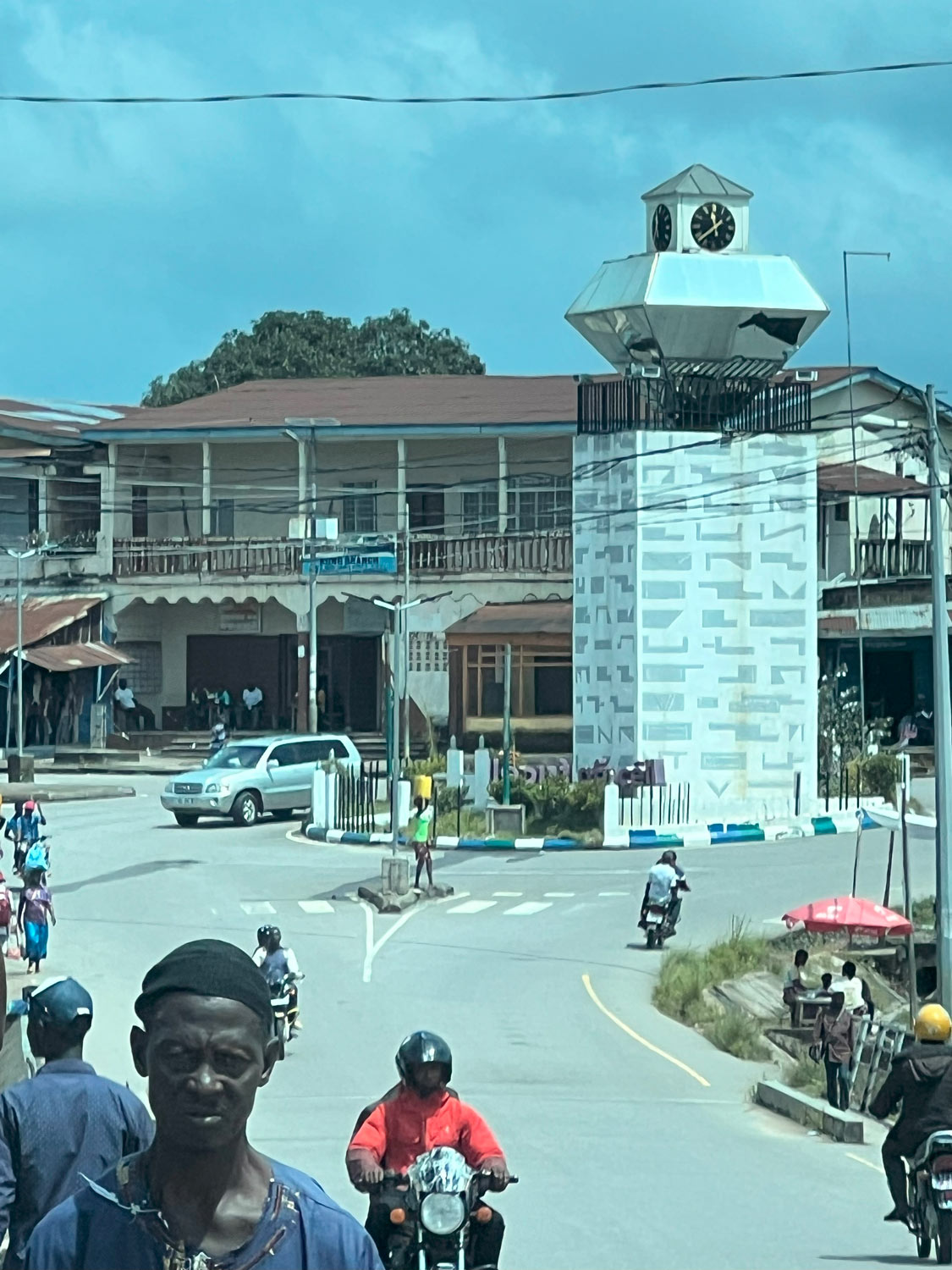
October 15. Down to Freetown. My son Davide and I, the only Europeans
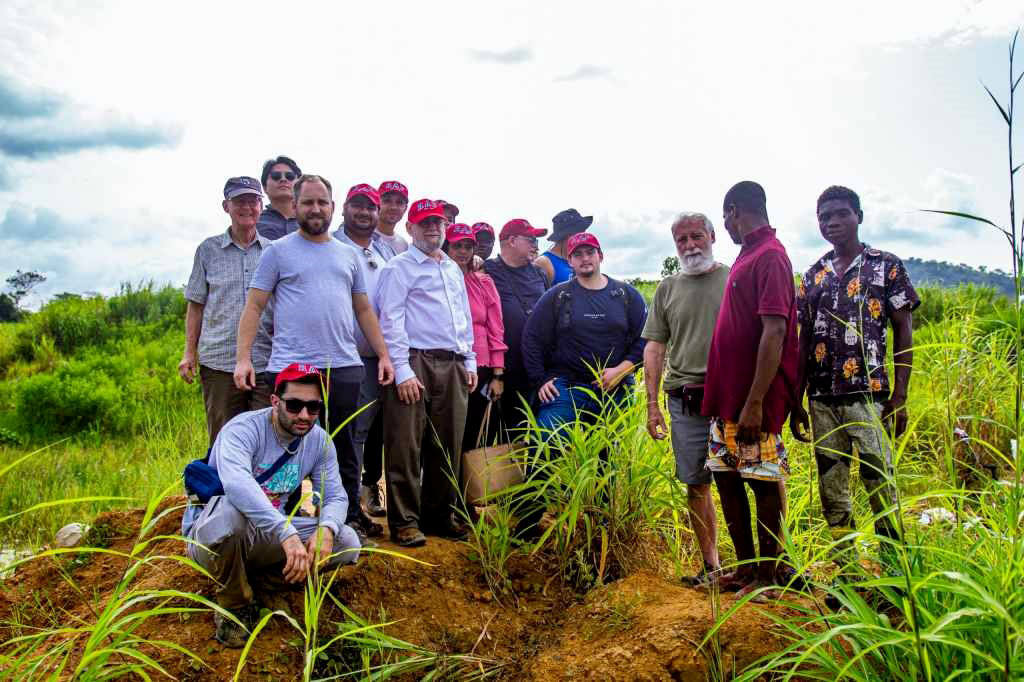
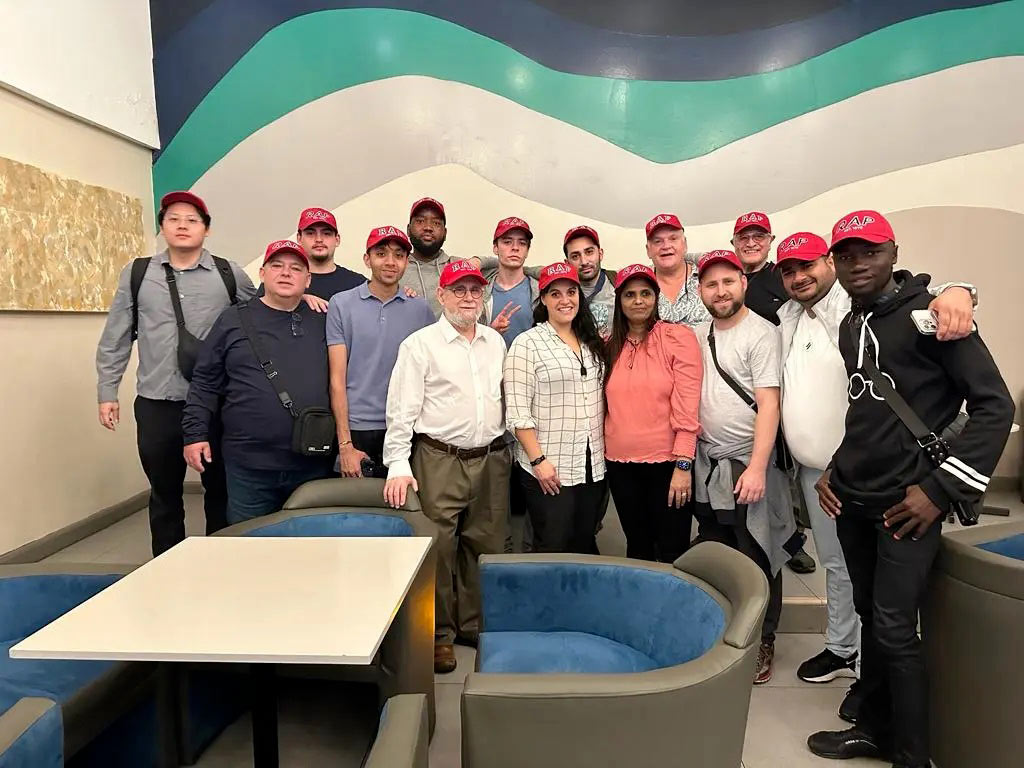
Here we are in Freetown, Sierra Leone, as the only Europeans among a group of fellow travelers hailing from the United States, the United Kingdom, Italy, India, the United Arab Emirates (UAE), and Singapore. This marked Davide’s second venture beyond the borders of Italy.
As we set out on our journey from Italy, we were well aware that this would be no ordinary adventure; it was a mission steeped in ethical commitment. Here, we encounter another facet of Martin Rapaport’s multifaceted personality. His ability to influence the development of Sierra Leone’s diamond industry through an ethical approach is far from new, as his involvement dates back to 2000 when the United Nations engaged him in the peace process following a bloody civil war that claimed the lives of some 50,000 people.
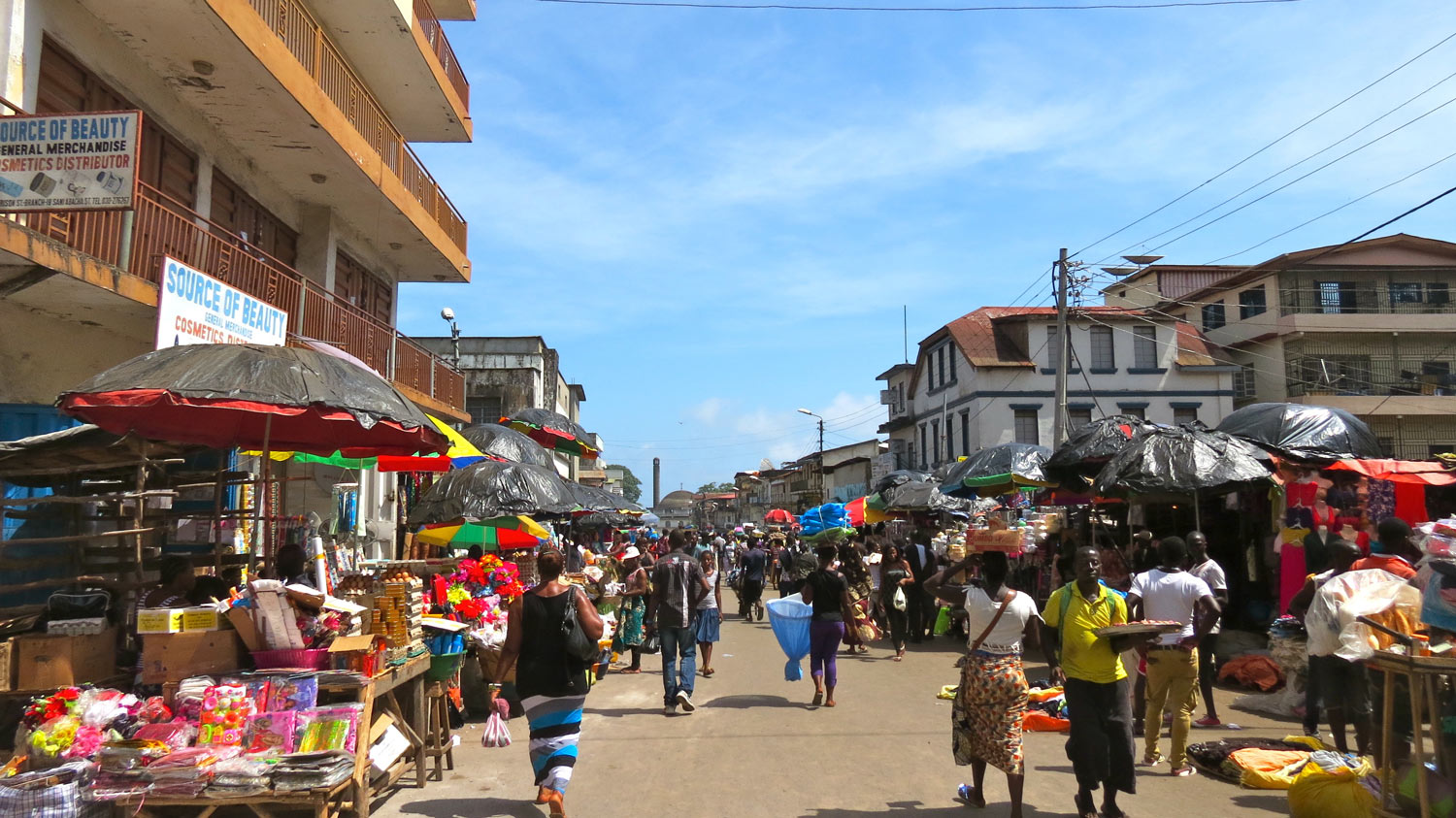
In a conversation with Muhammed, one of the Security officials in our humanitarian convoy, it became evident that the people here wish to put that horrific chapter behind them. For the past two decades, Martin Rapaport has been actively engaged in the country, working alongside institutions, governments, and international investors to promote economic development and enhance the living conditions of local communities.
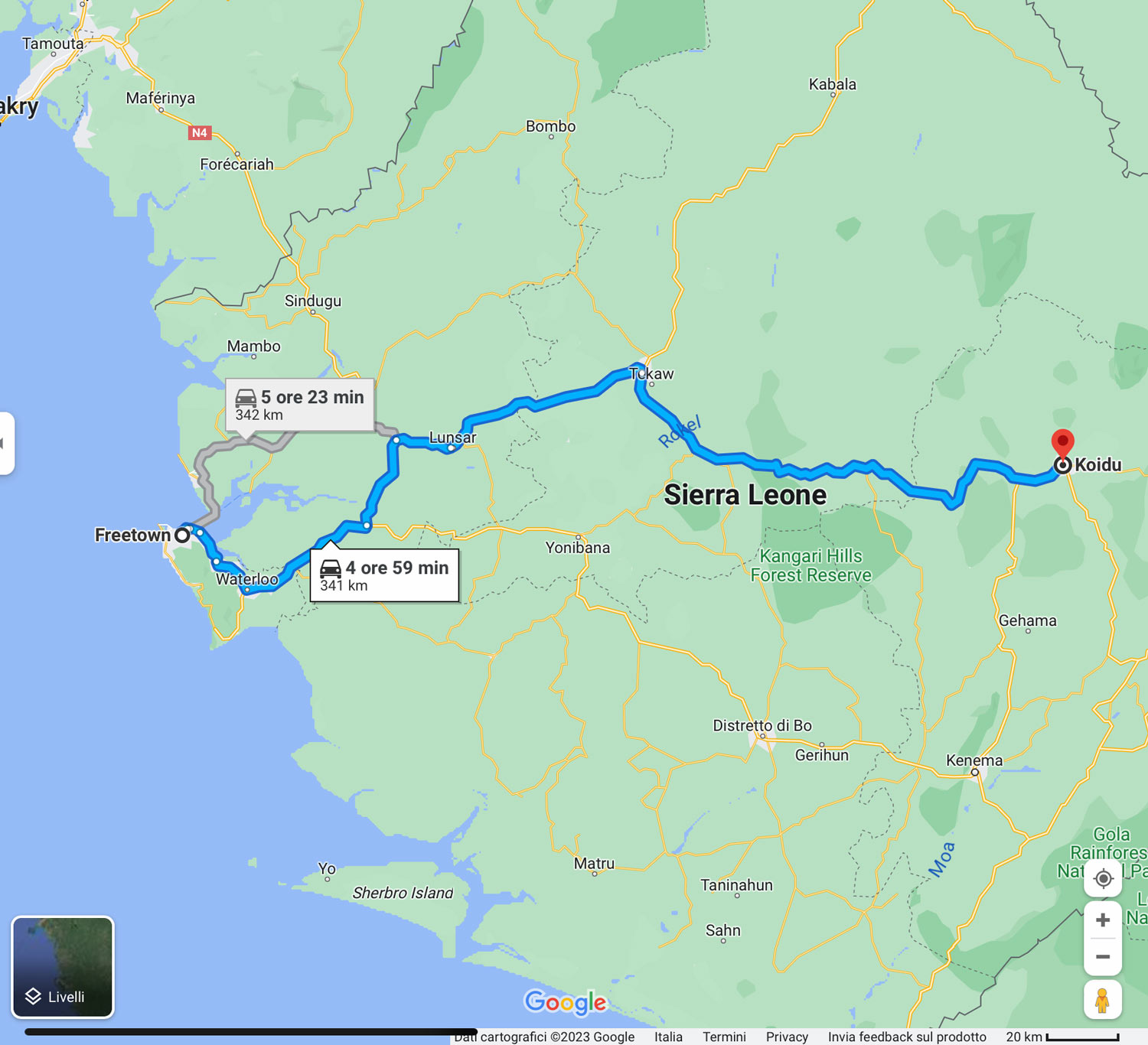
October 16. Headed to Kono, but the Chinese Are Already Here
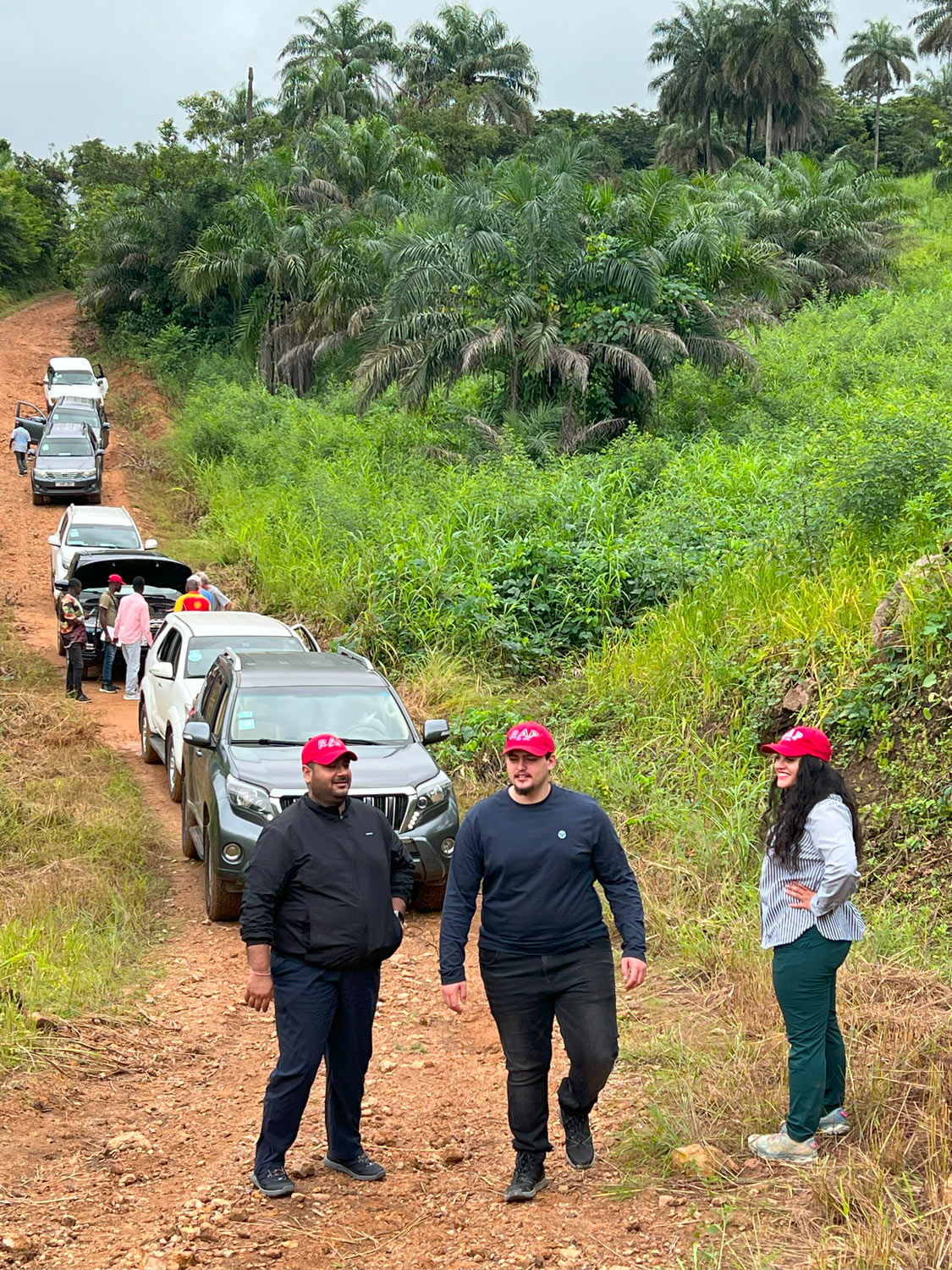
We set off towards our destination, the diamond-rich region of Kono, approximately 350 kilometers away. Sierra Leone’s road infrastructure has seen significant improvements. The 62-kilometer-long Wellington-Masiaka highway, costing a total of 169 million USD, was funded by China. China has recognized the vast potential on this continent, and the road is now paved and in excellent condition.
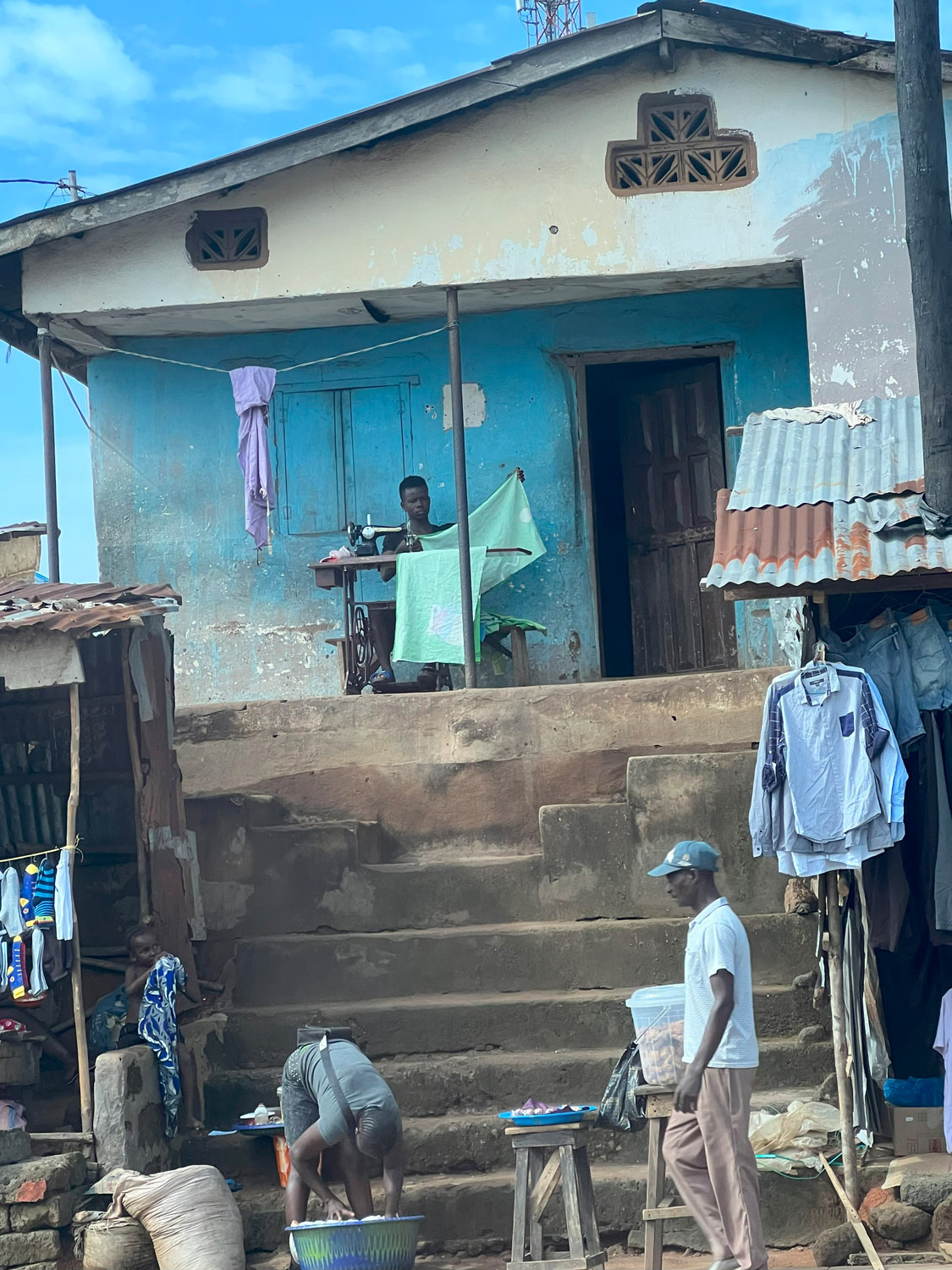
As time passes, we become increasingly struck by the contrast between the urban environment, with its city lights, offices, and shops, and the rural landscape and village conditions in the hinterlands.
October 17, water, schools, and healthcare where there was once nothing. The story of the 709-carat Peace Diamond
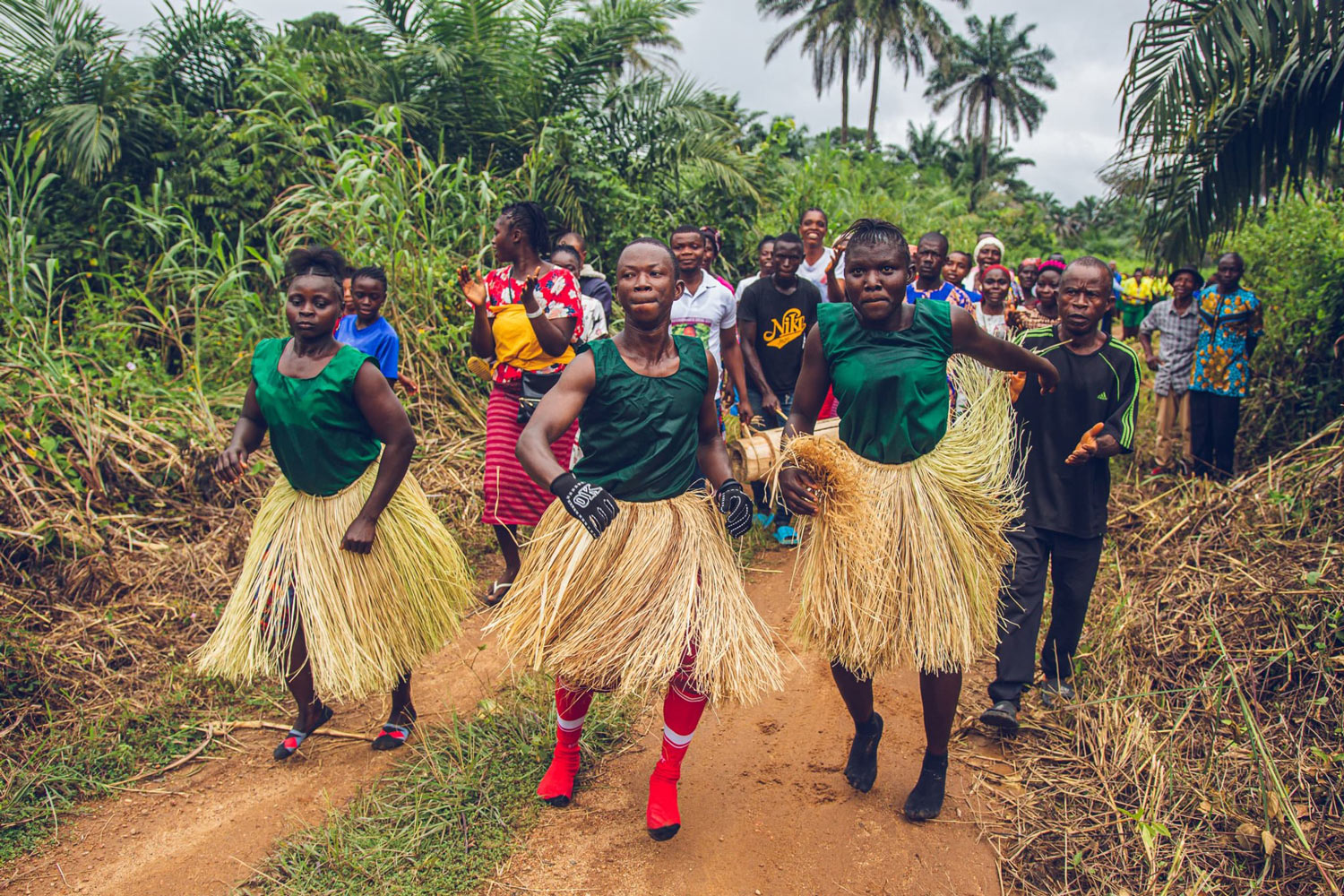
The humble conditions in which they live certainly do not prevent these people from being festive and hospitable. The welcome we received in the village of Koryardu was truly heartwarming. The entire community gathered to greet our delegation and it became clear to me why they held Martin Rapaport in such high esteem.
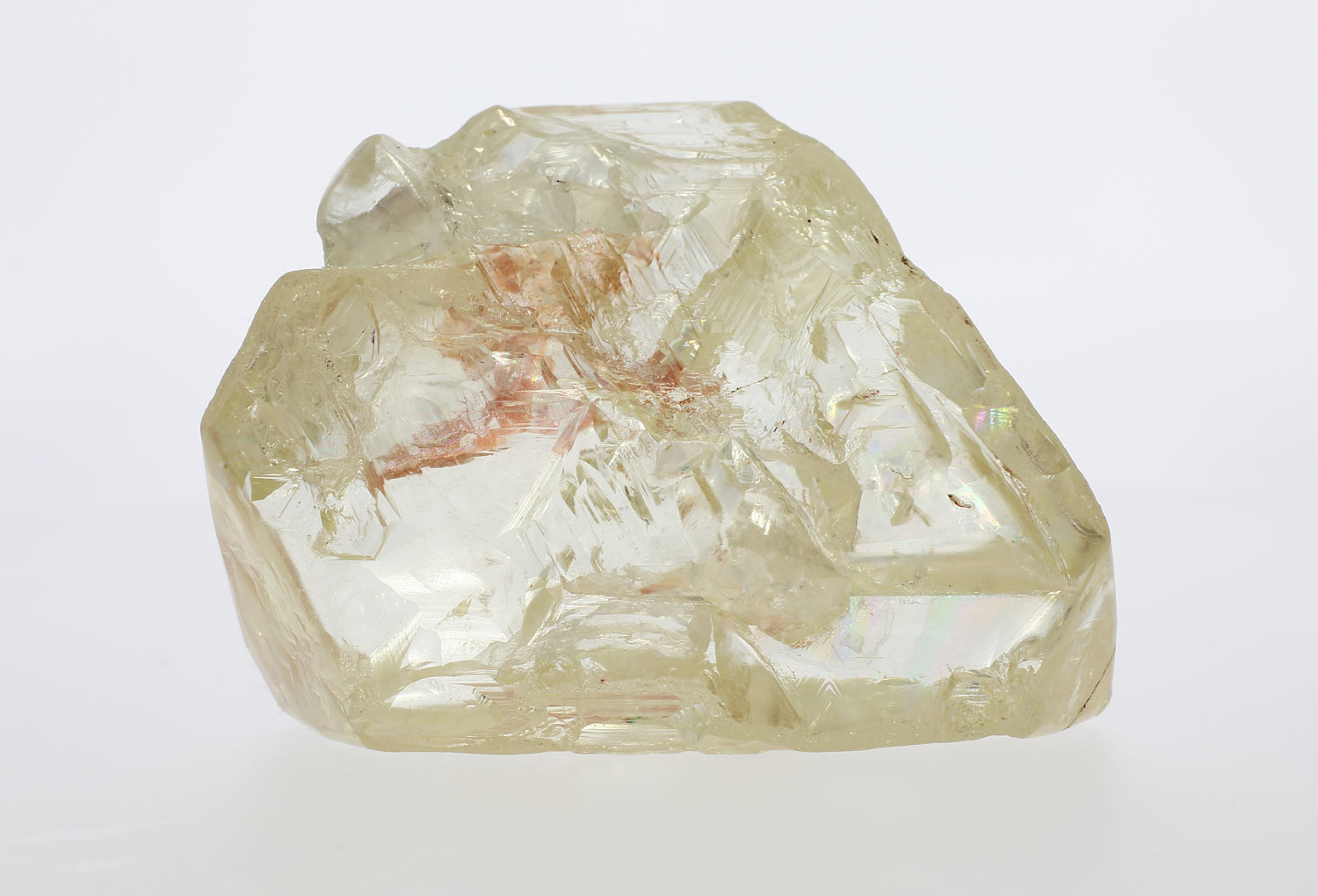
In 2017, a remarkable 709-carat diamond was unearthed here by five artisanal miners, and dubbed “Peace Diamond”. Pastor Emmanuel Momoh, the legal owner of the diamond, refused to smuggle it and insisted on selling it legally. It was Martin Rapaport’s auction pro-bono expertise that facilitated the sale to British billionaire jeweller Laurence Graff. The sale raised some £3.8 million, funds that were then channelled back into the community to help build schools, hospitals, road infrastructure, provide electricity and access to clean water.
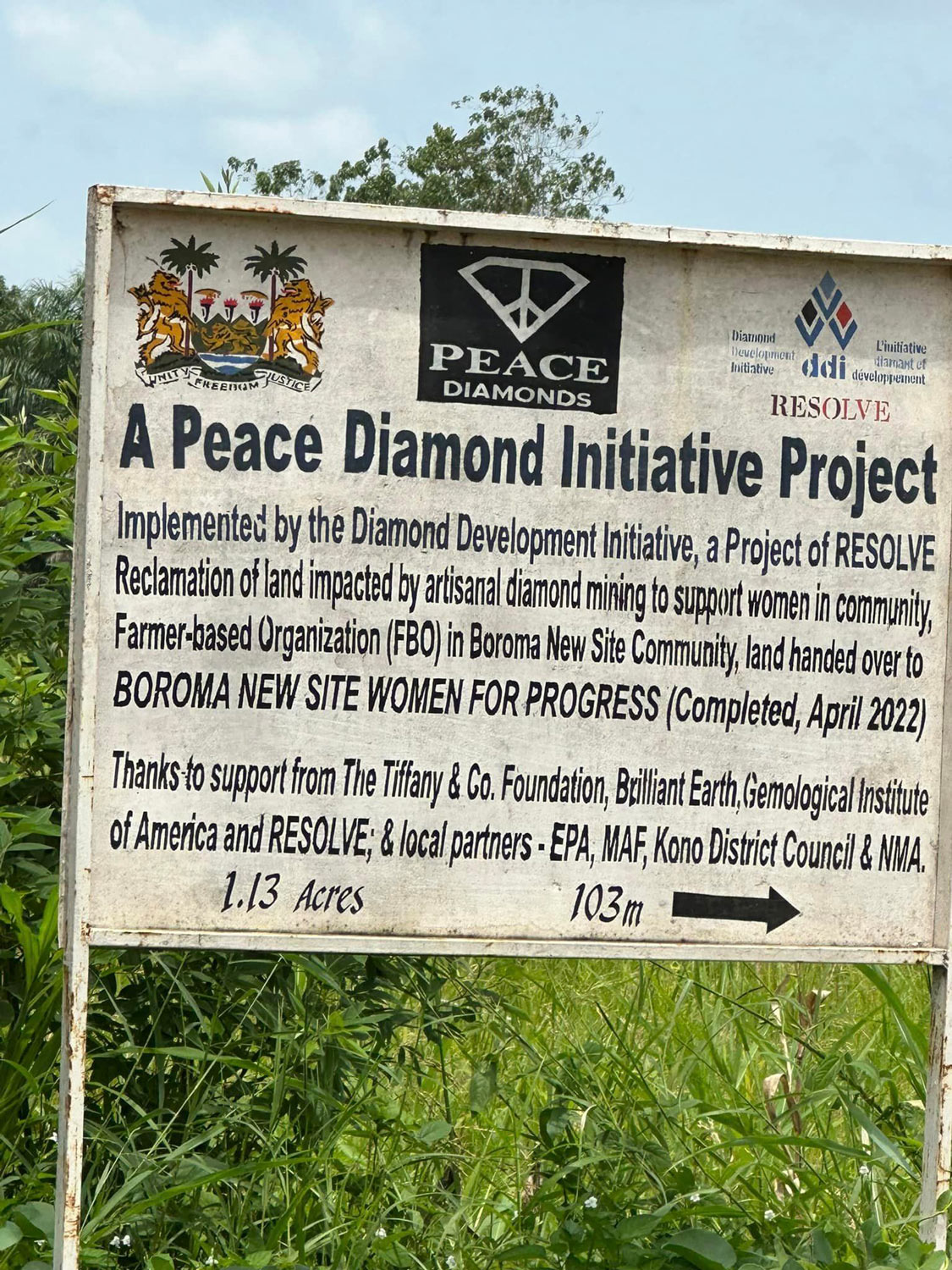
From that moment on, Martin has brought to the world’s attention the long-standing and crucial issue for the future of our planet: Is it possible to give some of the wealth created by jewellery and diamonds back to the communities that mine them from their land?
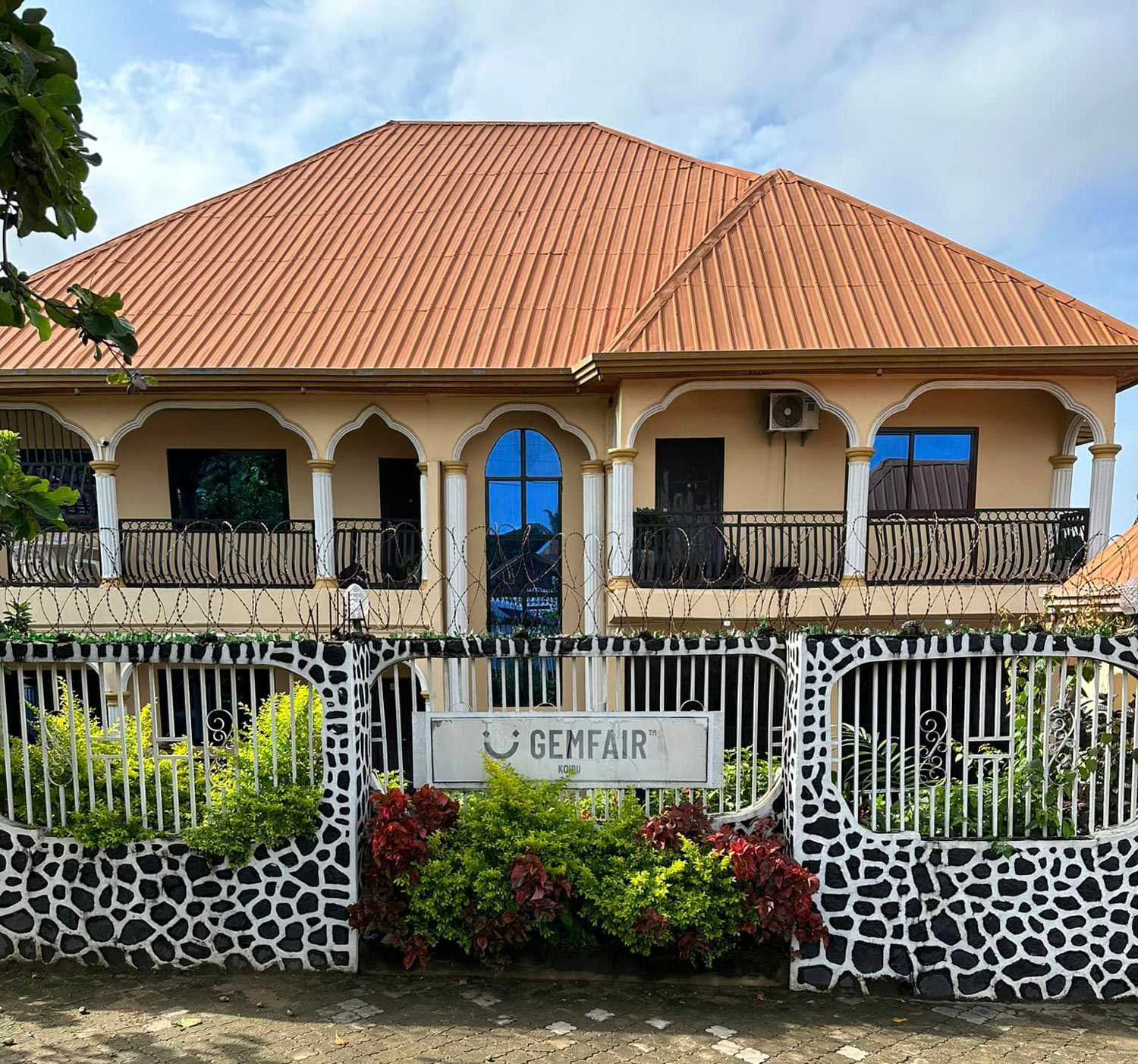
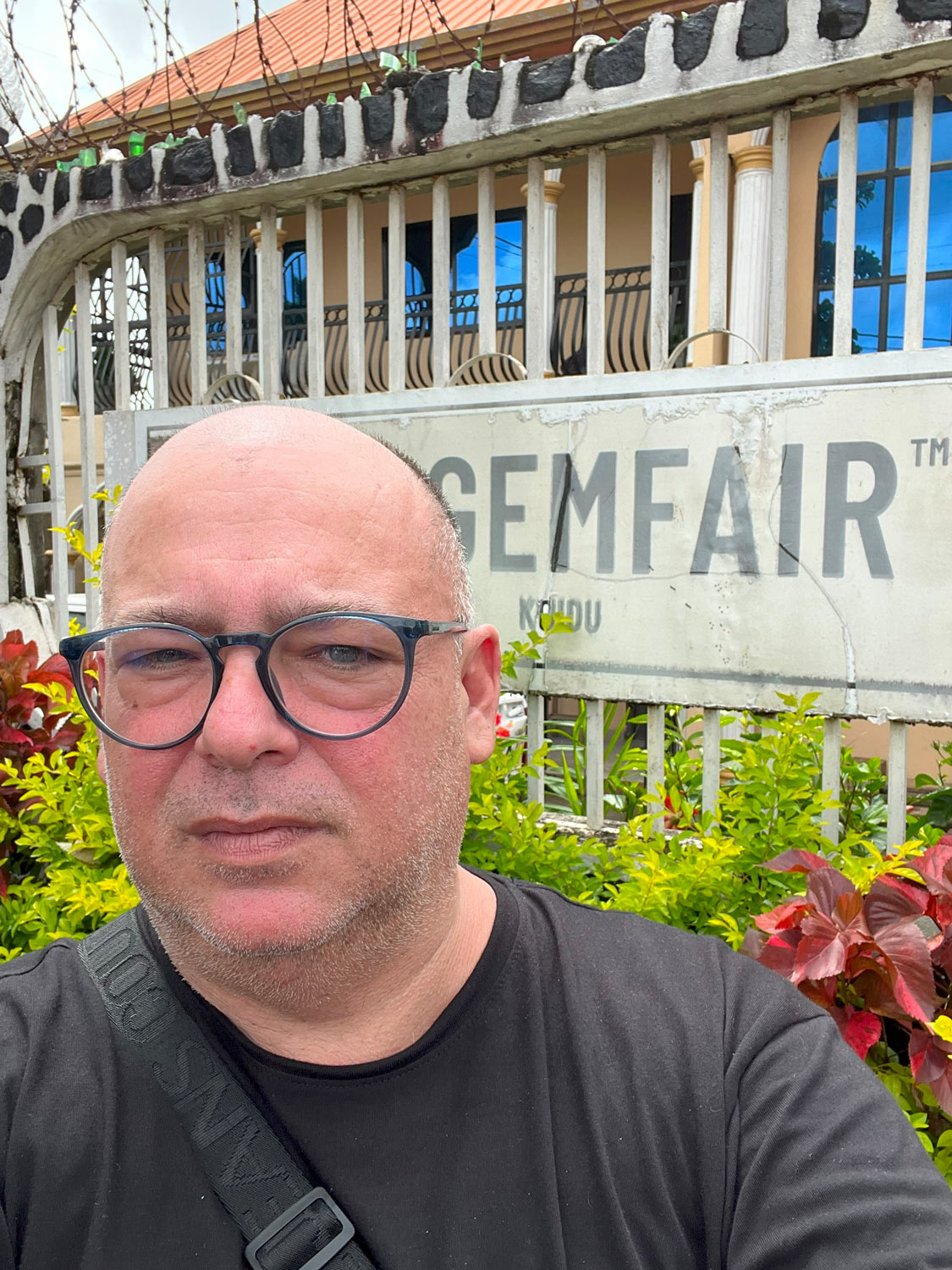
October 18. A visit to GemFair. De Beers is also lending a hand
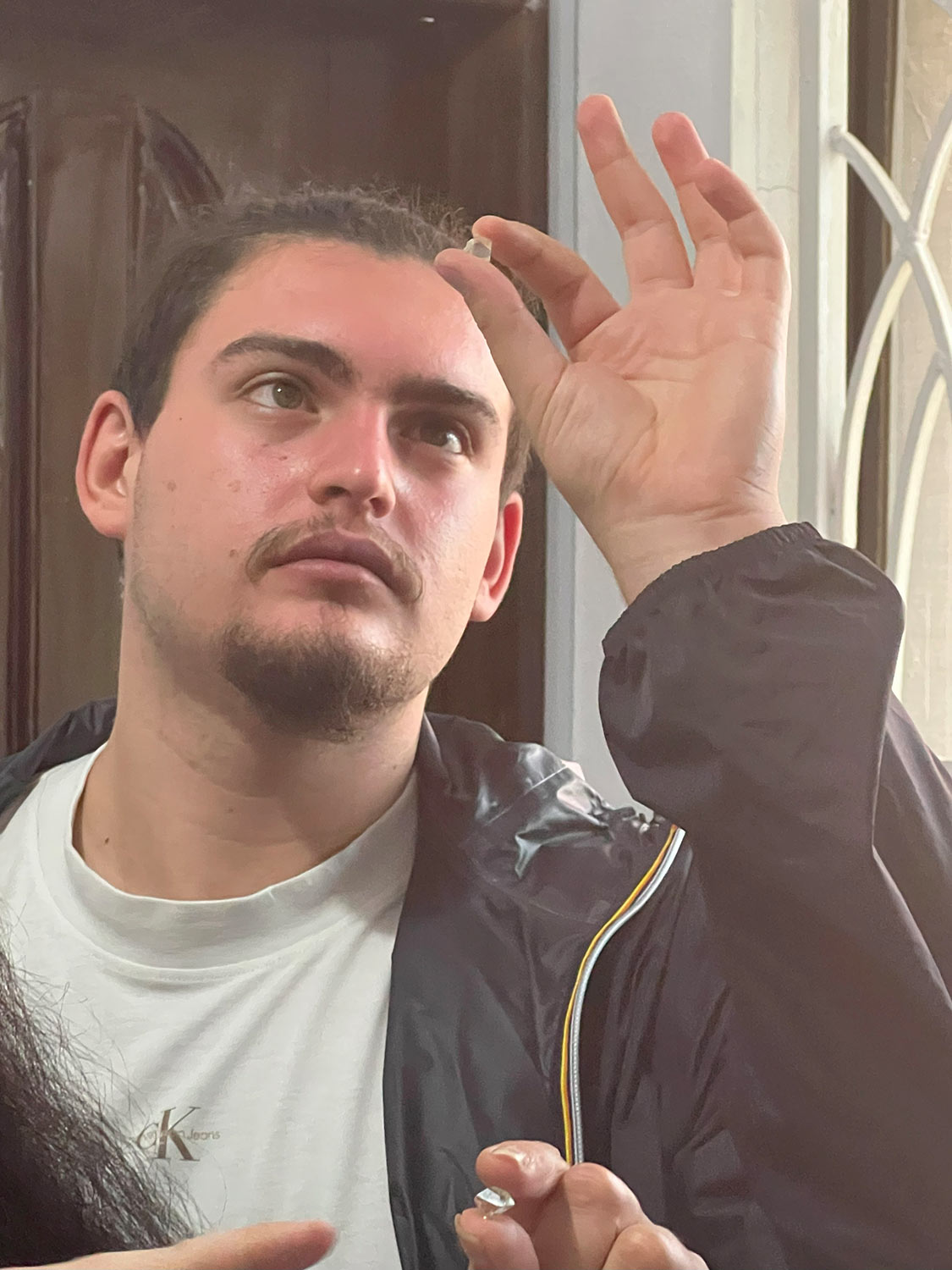
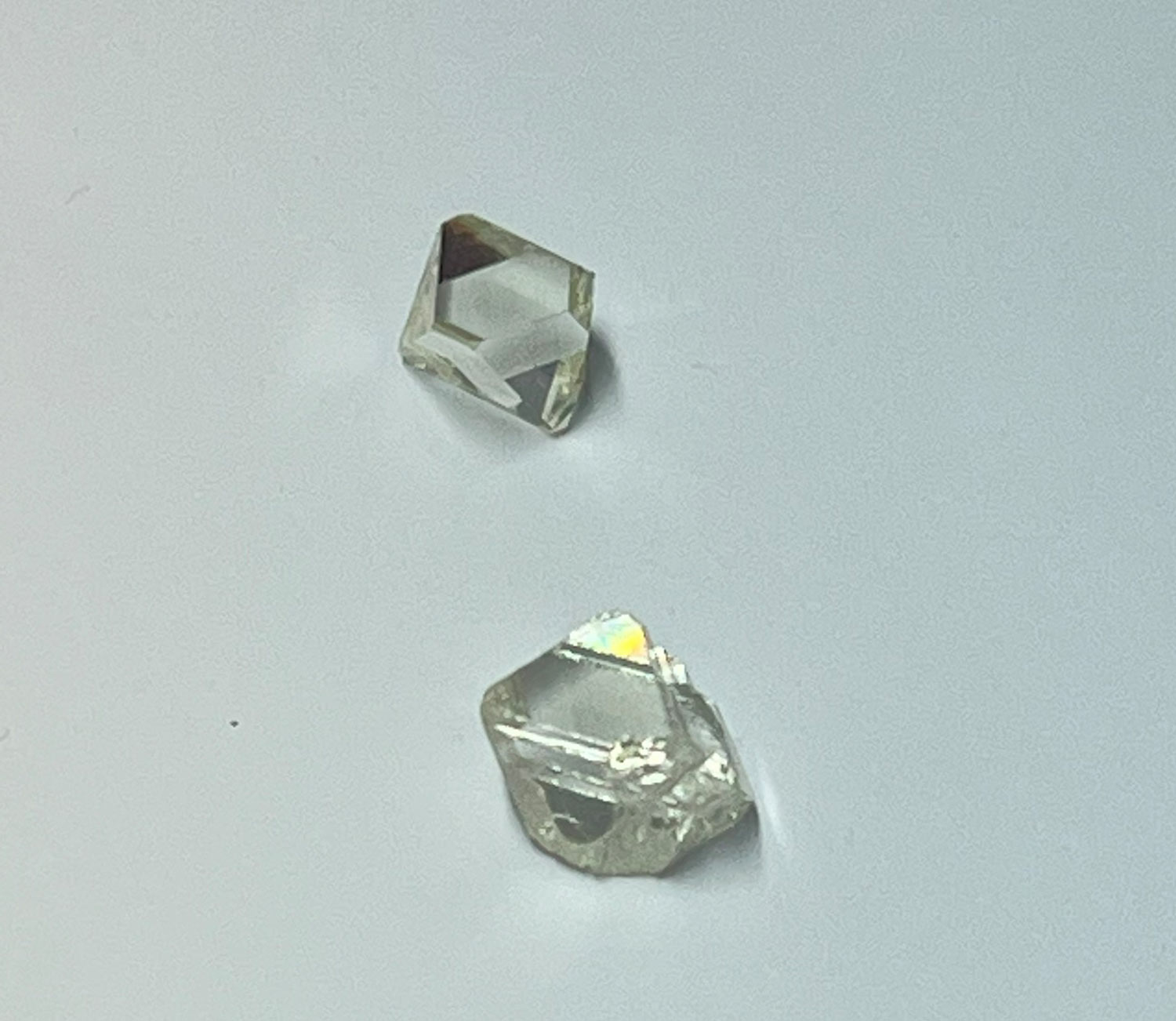
We are in Kono’s district. Davide is showcasing these remarkable uncut diamonds, displaying their geometric beauty. These diamonds are part of the GemFair collection, an initiative by the De Beers Group, located right here. The goal of GemFair is to establish a secure and transparent route to market for ethically sourced artisanal and small-scale mined (ASM) diamonds. This project provides ASM miners with access to De Beers Group’s distribution channel while simultaneously improving ethical standards and working conditions. GemFair has partnered with the Diamond Development Initiative (DDI), which has played a crucial role in formalizing the ASM diamond sector in Africa.
October 19. Diamonds can uplift agriculture
Back in Freetown. This is where Ezi, Martin’s son, founded Empower Africa in 2018. It has since evolved into a network connecting businesses and professionals with Africa-based projects, facilitating valuable partnerships with governments, corporations, and investors. This network aims to translate business opportunities into action, share deals, and distribute thought leadership to a global user base.
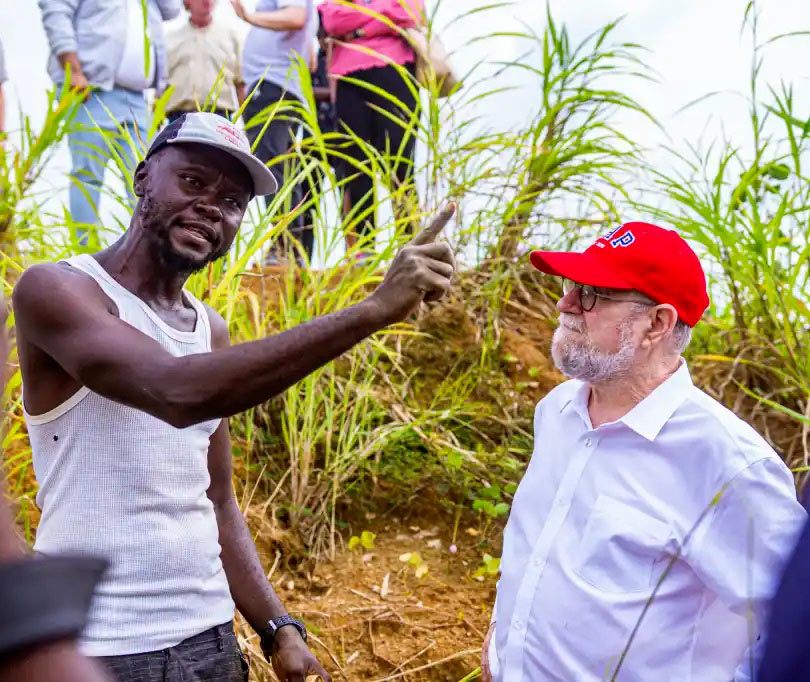
Sierra Leone, despite its fertile land, abundant water sources, and rainfall, faces challenges like insufficient seeds, fertilizers, and farming techniques, resulting in over 85% of arable land left uncultivated. The projects aim to transform abandoned diamond sites into rice fields.

What I take away from this adventure
In my column for IGR, I’ve often touched on the subject of ethics in the diamond world. On this trip, however, I had a different, more direct experience that has profoundly affected the way I view the gems in my line of work. On the flight home, I couldn’t shake the memory of those few intense days in Africa. I could no longer ignore the issues of human rights, environmental sustainability and the return and redistribution of revenue earned by diamonds from secondary deposits.
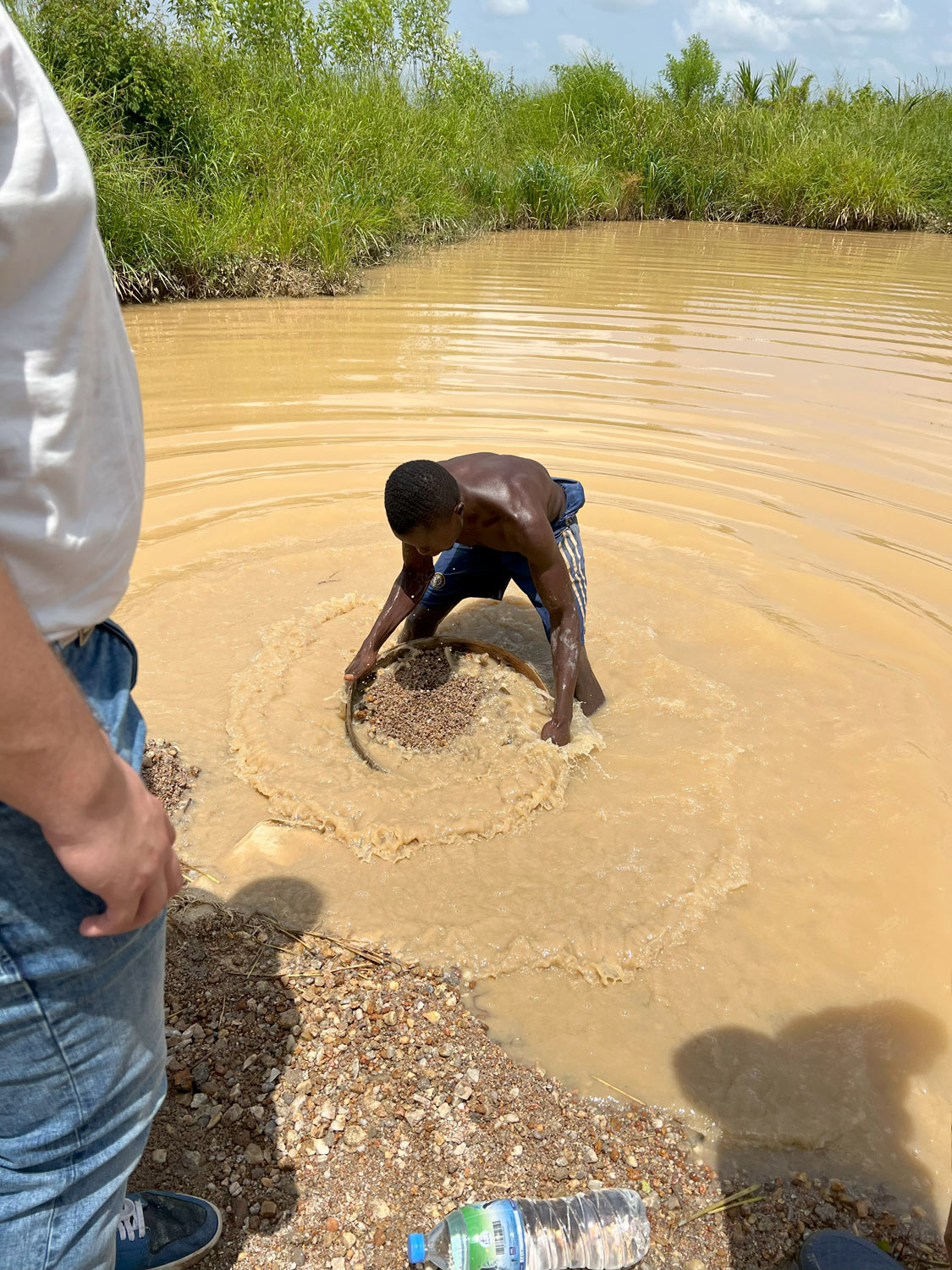
These are diamonds sifted from riverbeds and are accessible to small-scale miners. Many of these gems still elude regulation and continue to be distributed through a traditional network of speculators, draining wealth and depriving communities in remote mining areas of resources. Until recently, Sierra Leone’s diamonds fueled civil war. Until the sale of a sensational 709-carat rough diamond donated to the government by a pastor unleashed a flood of money into Koidu, the people of this village had nothing — no hospitals, no schools, no running water.
«There’s a reason God gave diamonds to the poorest people in the world and made the richest people want them», Martin Rapaport wrote a few days before we left. «This trip will be a real eye-opener». I realize that now. But how can I tell this story?
«Martin, can I interview you?», I asked.
«You don’t need to interview me, – he replied firmly, – you need to be interviewed yourself».
So I’m going to deliver the message. We are going to start with this journal and then Davide and I will return to talk about Sierra Leone and focus on the subject in the next issue of the Italian Gemological Review. I have returned from Sierra Leone with a heart full of emotion. Far from civilization as we know it, in contact with wild nature, I saw with my own eyes the real conditions in which artisanal miners work, the hardships they endure and the meagre income they receive.
Article by Sergio Sorrentino


