On 8th November, 2023, the European Parliament officially released a document clarifying the positions each member state should take regarding the activation of sanction measures against Russia in light of the ongoing conflict. The text clearly brings to light the difficulties encountered up to this point in correctly implementing the adopted measures, often easily circumvented.
One of the highlighted issues concerns the export of instrumental goods, especially those of a technological nature, the export of which should be prohibited if destined for Russia. Many of these goods have somehow managed to reach Moscow, despite the imposed restrictions.
Diamonds, the only product besides oil considered a strategic raw material, are specifically identified in point 17 of the document: «Calls on the Commission and the Member States to expand the sanctions to include a full ban on the marketing and cutting of diamonds of Russian origin or re-exported by Russia in the EU; calls for the EU and its Member States to sanction the state-owned company Alrosa and to broadly introduce systems to track the origin of diamonds based on new technologies […]».
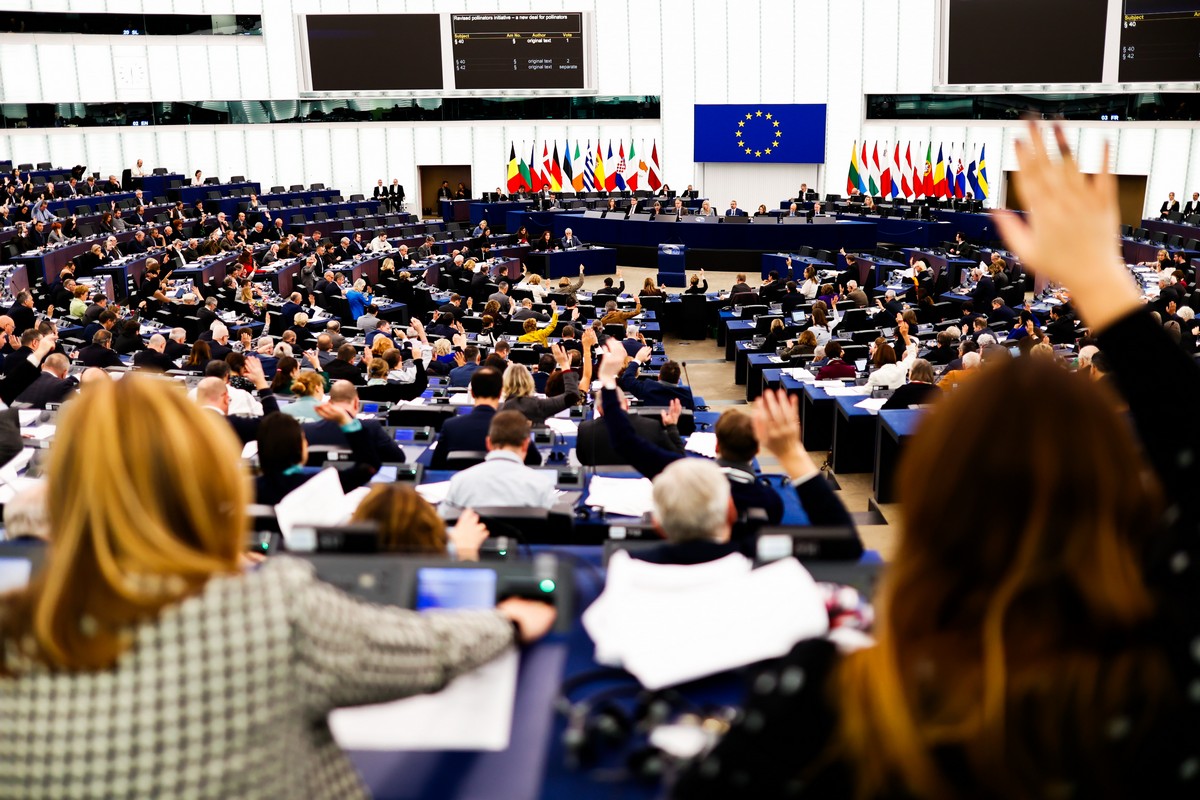
However the question arises: how can the Siberian (or Angolan, given Russia’s involvement in the exploitation of diamonds in that country) geographical origin of Alrosa be traced? Gemologists here raise their hands in surrender.
Since the introduction of the Kimberley Process, policymakers have been asking gemologists to determine the origin of diamonds, a prohibitive task that has not made significant progress.
Yet, how will access to Russian diamonds cut in India be prevented? In this country, there are no sanctions against Russia, and the ban is applied on a purely voluntary basis. This is done exclusively by diamond cutting factories that cannot do without it, as expressly invited by major European or American jewelry groups to declare the “legitimate” origin – i.e. non-Russian – of their diamonds.
Perhaps the solution could be tracing through blockchain. However, major miners, De Beers and Alrosa, the only ones able to control the diamond custody chain vertically from rough to cut, have set up the only “dedicated” blockchains. All others are currently excluded.
Point number 6 of the document acknowledges that escaping the restrictive measures through triangulations in both import and export is easy and challenging for European bodies to find out. It urges member states «to reinforce and centralise, at EU level, the oversight of sanctions implementation and to develop a sanctions circumvention prevention and monitoring mechanism to limit Russia’s ability to circumvent sanctions».
But the question persists: what are the preventive measures that can hinder triangulations? From this perspective, the European Parliament document seems more like a manifesto of good intentions than a handbook enabling the industry to actively participate in the application of sanctions.