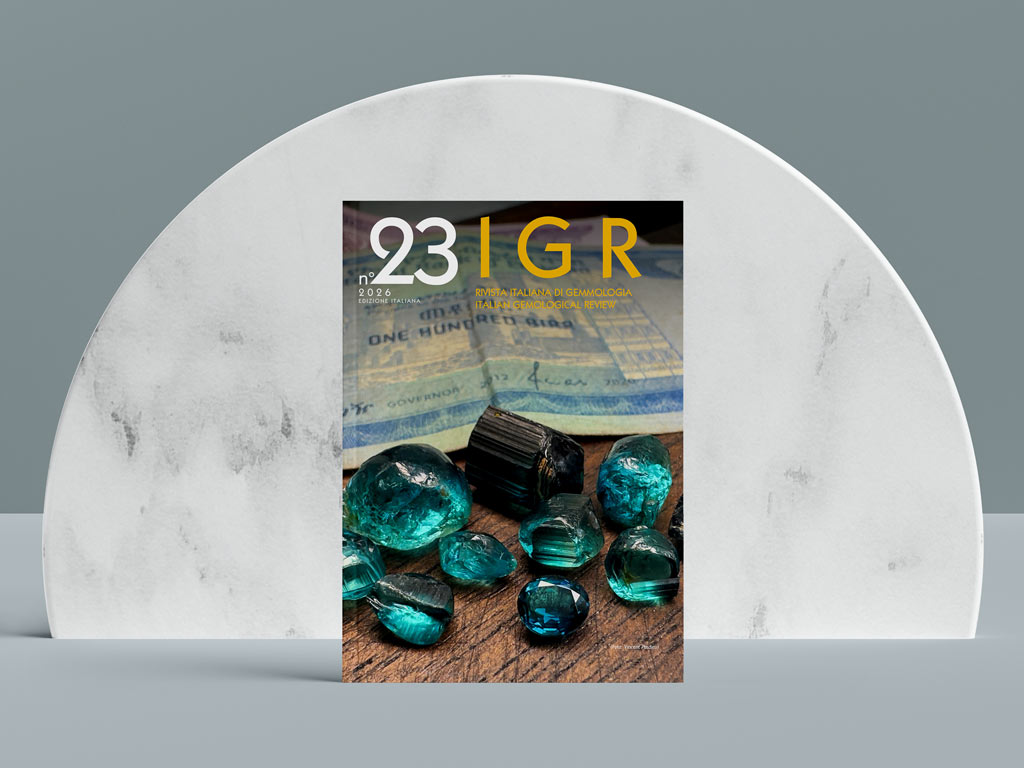
The Swiss Gemmological Institute (SSEF) in Basel issued a press release on June 18, 2026, stating that credible reports from trade sources indicate the discovery of a new deposit of copper-bearing tourmaline — widely known in the trade as Paraíba tourmaline — in Ethiopia.
Ethiopia is once again emerging as a new gemological frontier, as demonstrated by significant discoveries of opals and sapphires dating back about a decade. Ethiopian opals were first discovered in 2008/2009 in the Wolayta region, bringing material with medium- to high-quality color to the market. Meanwhile, Ethiopian sapphires emerged in 2014/2015 in the Mezele area, exhibiting hues ranging from blue to other vibrant colors. Furthermore, Ethiopian emeralds have been on the market for quite some time; unearthed between 2008 and 2010 in the Tigray region, they boast highly appealing colors — sometimes likened to the typical nuances of Colombian emeralds — ranging up to a deep, intense green.
Currently, there is no significant information in the literature confirming the presence of Paraíba tourmaline in Ethiopia, as documented scientific sources exclusively list Brazil, Nigeria, and Mozambique as the known origins for this gemstone.
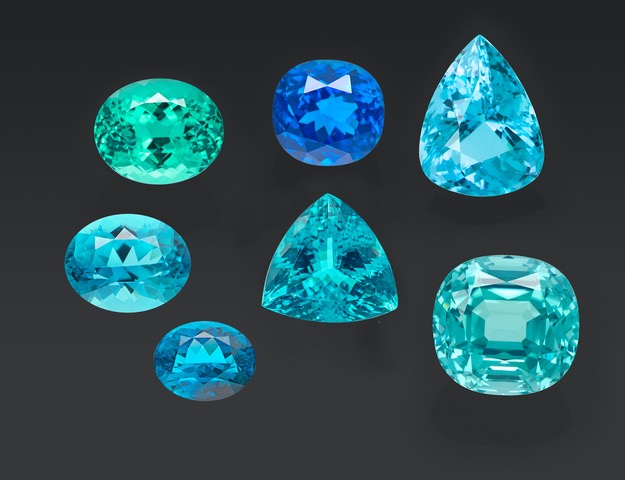
The manner in which SSEF identified this probable new provenance is particularly interesting. The laboratory found no analytical evidence to tie these stones to already known origins: for several Paraíba tourmalines submitted for examination, geographic origin determination proved difficult, and in some cases inconclusive. Furthermore, preliminary trace-element analyses showed a considerable overlap with stones from previously known localities, particularly those from Brazil. This makes origin determination challenging for certain specimens.
It is worth noting that the market continues to place a substantial premium on Paraíba tourmalines of Brazilian origin, making them significantly more expensive.
To address this challenge, ongoing research by SSEF is focusing on thoroughly characterizing this new material and refining the methods used to distinguish it from copper-bearing tourmalines from other origins.
For now, these trade reports remain without published scientific confirmation. Details regarding the exact recovery areas, along with further gemological studies including comprehensive chemical characterization, will be required before Ethiopia can be considered a newly documented source of Paraíba tourmaline.