This content was first published on IGR – Italian Gemological Review no. 22 in 2026. The information provided here is therefore current as of the original publication date.

The variety of demantoid originating from the southern province of Kerman, Iran, is the focus of a recent gemological and mineralogical study entitled “Gemological and Mineralogical Characterization of Demantoids from South Kerman, Iran”, conducted at Kharazmi University in Tehran by Masud Kiani, Soheila Saki, Farshad Kiani and Hadith Sadiqi.
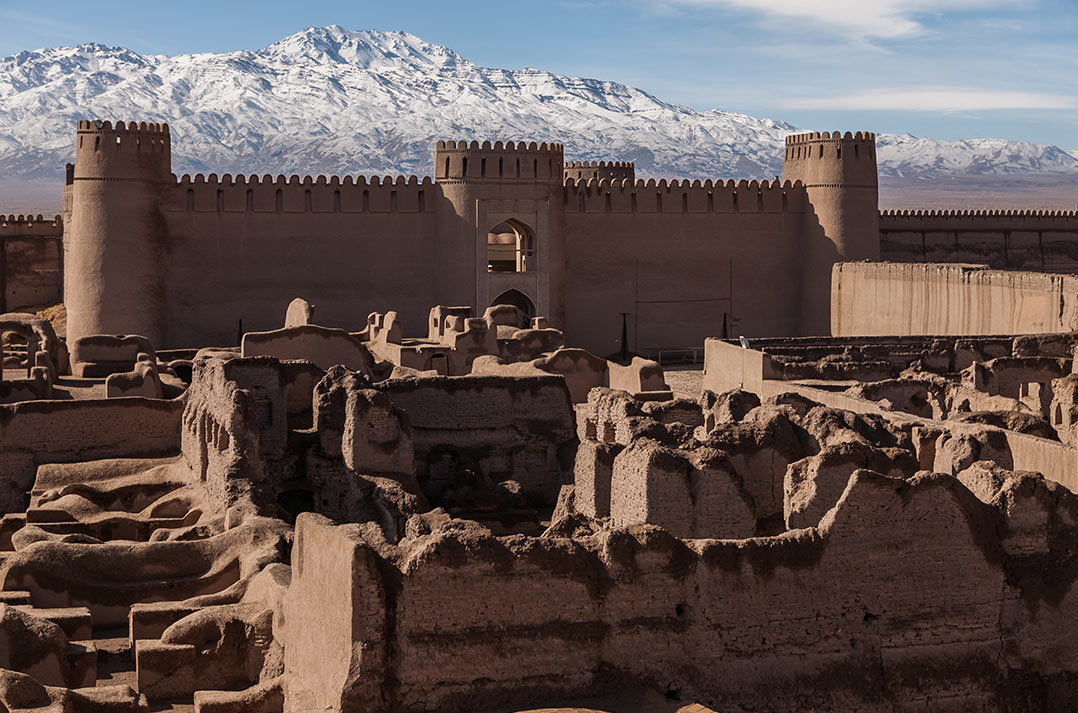
This work represents the most comprehensive characterization ever carried out on Iranian demantoids and introduces new elements to the international gemmological scene. The samples examined come from the mountainous area of Bagh Borj, within the Esfandagheh-Haji Abad ophiolite complex, in the Sanandaj-Sirjan belt. The crystals, ranging in size from 1 to 30 mm, vary in color from yellowish-green to intense green and have a regular rhombic-dodecahedral crystal structure.
In addition to traditional analyses, advanced electron microscopy (SEM–EDS) and Raman spectroscopy techniques were used. The results revealed that the main constituent elements of these garnets are oxygen, carbon, iron, calcium, silicon, magnesium, and aluminum, while chromium, distributed uniformly, is the dominant chromophore responsible for the bright green color. The characteristic Raman spectral signature of this locality is documented for the first time, with slight variations in the secondary peaks due to impurities and inclusions. These differences constitute a sort of “fingerprint” useful for distinguishing Iranian gems from those of classical origins such as Russia and Italy.
Microscopic observations reveal a direct association between needle-like inclusions (horsetails) and fractures filled with secondary fluids, indicating hydrothermal alteration processes that are more complex than previously thought. Furthermore, unlike Uralian demantoids, no diopside was observed among the solid inclusions, confirming a genesis closer to that of Italian deposits. The combination of mineralogical and spectroscopic data allows Kerman demantoids to be classified among the most typical varieties of serpentinitic origin. Chrysotile fibers and chromite metal inclusions are distinctive features that reflect the ultramafic composition of the host environment. The absence of heavy elements such as Ni, Ti, or V suggests a formation context poor in metallic fluids and rich in silicate components.
The research was published by the Iranian Journal of Crystallography and Mineralogy in 2025 and is available — in Persian — at this address: https://ijcm.du.ac.ir/article_1729.html
A previous article about demantoids from the province of Kerman, authored by Vahid Ahadnejad, Michael S. Krzemnicki, and Ann Marie Hirt, was published in 2022 on issue no. 38, Vol. 4, of The Journal of Gemmology.
Gem news published on IGR – Italian Gemological Review #22 – Spring 2026.