This content was first published on IGR – Italian Gemological Review no. 13 in 2021. The information provided here is therefore current as of the original publication date.

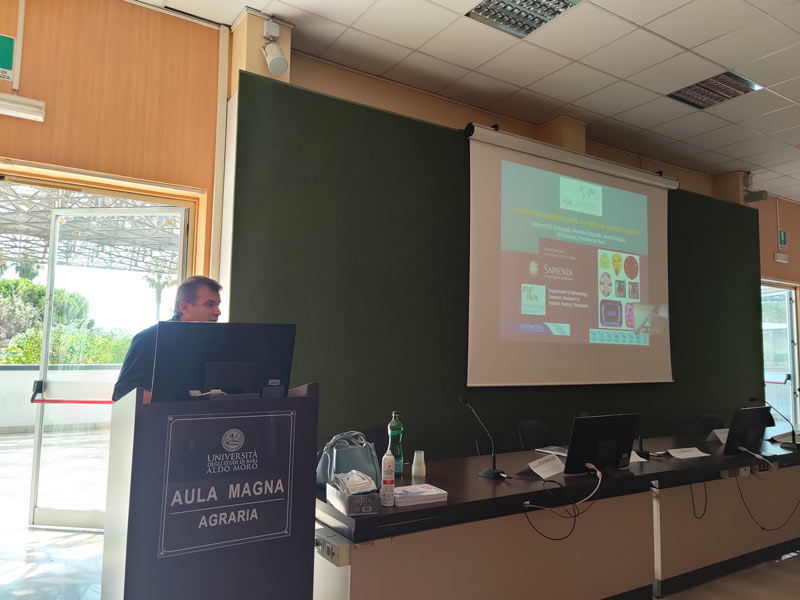
The national conference “Diamonds and Color Gems, Genesis, Provenance and Market Implications”, hosted by the Department of Earth and Geoenvironmental Sciences of the University of Bari “Aldo Moro” was held in Bari on July 22 and 23, 2021. Even prescinding from the many issues and contents highlighted during the face-to-face working days, the event was successful right from the start. As indeed is the case with all disciplines based on direct experience and the advancement of research, the industry as a whole including academics, gem traders, lab technicians and researchers did need to meet in presence and discuss new issues and challenges. Although there were a few “remote” interventions, the impression is that all participants rediscovered the urge to rebuild a community of people sharing common concerns and perspectives. IGR, media partner, sponsored the event and promoted it. Below a review of panelists’ presentations is provided.
Review of the presentations’ contents
Gaston Giuliani – The geology and genesis of gem ruby deposits
Gaston Giuliani from the Paul Sabatier University of Toulouse (Géosciences Environnement) introduced the first day session with a comprehensive review of the geology and genesis of primary and secondary ruby deposits on a global scale. He proposed and abundantly characterized their possible classification into types and subtypes: 1 (magmatic deposits: 1A xenocrysts or xenoliths hosted by basic basalts, Madagascar; 1B xenocrysts in kimberlite, Congo); 2 (metamorphic deposits: 2A in mafic and ultra-mafic rocks; 2B metasomatic deposits with high fluid-rock interaction, Montepuez Mozambique, Madagascar, John Saul Mine in Kenya, Mogok Myanmar, Aappaluttoq Greenland), 3 (sedimentary deposits).
For classification and genetic patterns to be achieved, the characterization of deposits must necessarily take into account chemical and physical data, pressure-temperature and crystallization conditions, the origin of the constituent elements and the age of formation.
The planetary distribution of deposits is closely related to the Wilson cycle (collision, rift, and collision geodynamics). Rubies form in femic and felsic environments or in metamorphosed carbonate platforms and they are always associated with rocks poor in silica (in fact alumina would preferentially combine with silica giving rather origin to feldspars and mica) but rich in aluminum.
As its main associated minerals rubies include plagioclase, amphiboles, pyroxene, biotite, sapphire, phlogopite and carbonates.
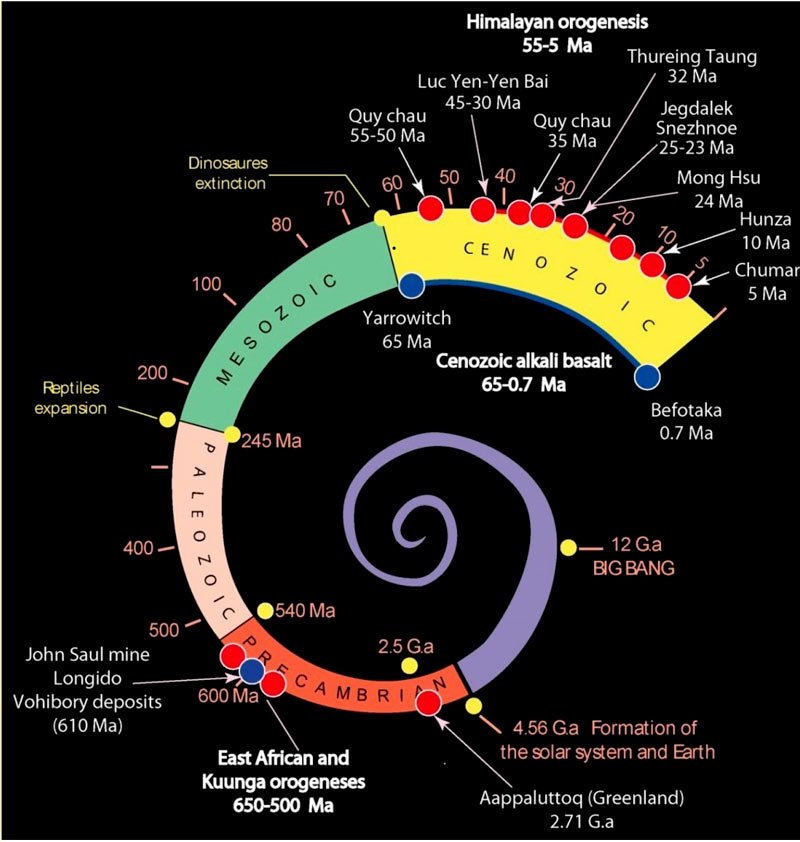
As for the dating determination of the deposits, the characteristics of some inclusions, namely zircon, monazite, rutile, titanite and mica can be usefully analyzed. The oldest deposit is located in Aappaluttoq, Greenland, where the ruby has formed during the Archean at 2.71 Ga, but the main period of formation is related to the Pan-African orogeny (750–450 Ma). Some examples are provided by the John Saul mine in Kenya, Longido in Tanzania, and the deposits of southern Madagascar, all of them formed around 610 Ma. The third period corresponds to the Cenozoic Himalayan orogeny (55 Ma Quaternary) with the famous marble-hosted ruby deposits in Central and Southeast Asia such as Thureing Taung in Mogok and Mong Hsu. The fourth period is characterized by the extrusion of alkaline basalts in the Cenozoic in which ruby (and sapphire) were transported by magmas as xenocrystals or in xenoliths.
Giovanni B. Andreozzi – Mechanisms of color formation in spinels
Giovanni B. Andreozzi, Professor of Mineralogy at La Sapienza University of Rome, reported the results of a research on the mechanisms of color formation in spinels. The work has examined 20 specimens examined by electron microprobe (to obtain the chemical composition) in combination with investigations of optical absorption spectroscopy UV-VIS-NIR-MIR and FTIR. Some specimens, selected among those containing Fe, have been investigated through X-ray diffraction and Mössbauer spectroscopy to obtain information on the Fe oxidation state and on the intracrystalline distribution of Fe2+ and Fe3+. These ions are, together with Cr3+ and V3+, variably distributed between the crystal tetrahedral (T) and octahedral (M) coordination structural sites, which are the main transition elements and act as chromophore elements.
The results showed that the color exhibited by a spinel is not usually due to the major constituent elements, but to a combination of two or more transition elements occurring as minor (or even trace) elements. Crystals with colors ranging from orange (due principally to vanadium) to red and magenta (due principally to chromium) typically exhibit low Fe content and variable Cr3+ and V3+ contents, both ordered in the M site. In contrast, pink and green crystals (and to some extent blue, due to cobalt) owe their color to increasing Fe contents. Those ranging from pink to blue and dark green, despite appearing totally different from each other, share a higher Fe content than the others and a relatively similarly shaped optical absorption spectrum.
Diego Gatta – Non-destructive techniques in gemmology: X-ray diffraction from single crystal
Diego Gatta of the Department of Earth Sciences, University of Milan, has brought to the attention of the audience the potentials of X-ray diffraction, a non-destructive technique allowing getting the elementary cell parameters and its symmetry. These data can be compared with those contained in modern databases available free of charge (e.g.: http://rruff.geo.arizona.edu/AMS/amcsd.php; http://www.crystallography.net/cod/).
Currently, diffractometry is not widely used in the gemological laboratories’ protocols; if on the one hand it does not lend itself to the detection of treatments; on the other hand it allows to work with unambiguous results on minute-sized samples, crystals ranging from an average size of 0.04 mm up to about 10 mm. A specific case study was then shown: a dark purple tetrahedral crystal of unknown origin which on preliminary testing was not found to be a spinel. X-ray diffraction in 13 minutes provided a crystallogram that led to its identification as chambersite.
Annalisa Martucci – New discovery of dematoids in Italy (Domus de Maria, mine of “Sa Spinarbedda”, Sardinia)
Annalisa Martucci, Department of Physics and Earth Sciences, University of Ferrara, has for the first time completely characterized the demantoid garnet found in Sardinia at Sa Spinarbedda, in the municipality of Domus de Maria, territory of Sulcis-Iglesiente. After the one of Val Malenco, once again this gem has been unearthed in Italy. The structural assessment by single crystal diffraction (XRSD), in the space group Ia3̅d, reported a volume of elementary cell (1757.15(2)Å3) slightly higher than the one reported in the literature, suggesting the presence of water.
Michele Macrì – Jeff, the unestinguished dinosaurs and the fisherman syndrome
Michele Macrì, museum curator at the Sapienza University of Rome, has brilliantly discussed a theme that is only apparently a simple one. He has already extensively developed it on the pages of IGR (article by Michele Macrì, published on IGR – Italian Gemological Review nr. 1 – May 2017) and he summed it up in the following quick question: how is a gem defined? The logical path underlying the attempt to reach such a definition reveals the nature and the purposes of gemmology itself, understood as a scientific discipline. Amongst the many things that it is not invariably at all times, a gemstone is not a mineral (so what about Moldavite?), it is not a solid of natural origin cut by human beings (so what should be said about pearls? Can a mollusk be considered as a cutter?), it is not necessarily durable (is rhodochrosite durable?), it is not necessarily beautiful (what should be said about some grandidierites?). A broader definition is not reassuring at all. Would a subsequent gem definition include all the natural objects that are supposed to be sold in jewelry stores? No way, mineralogical collections occupy another section of the market.
According to Macrì, the key word is precisely this one, the market. The modern economy wants to digitalize it and, as a matter of fact, in many cases, the market is being successfully rationalized. And yet, digitalized market – which Macrì wittily defines as “the Amazonian” age – while trying, is not able to control gemstones. These are objectively classifiable, but outside of mineralogical laboratories, they are always subject to the arbitrary criteria of taste and subjectivity. In this perspective gemmology is not merely a science, but is also art and philosophy.
Eventually just the impossibility of achieving an indisputable definition of gems from a scientific and commercial point of view is what makes them eternal, fascinating and coveted.
Nicola Precisvalle – New developments on the relationships between structure, chemism and origin environment of topazes
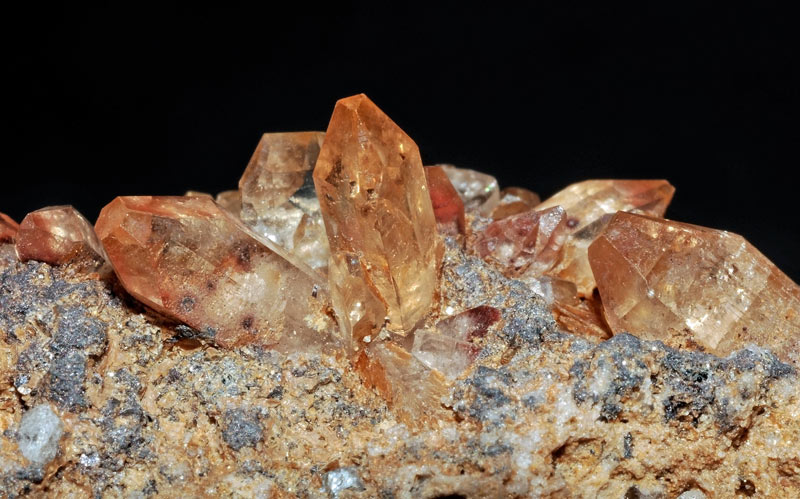
Nicola Precisvalle, from the Department of Physics and Earth Sciences, University of Ferrara, focused his talk on the relationship between structure, chemism and origin environment of topazes. The study of the OH/F ratio plays a key role in understanding the formation environment of this stone. Fluorine (F) is found accumulated in aqueous fluids at the end of magma crystallization (high T) and is transported by post-magmatic circulation (low T). It follows clearly that the environmental systems of formation are found to be constrained by the efficiency of the mineral/fluid partitioning process (in the F/OH ratio in exchange reactions at various redox conditions). Nowadays gemology is frantically chasing the provenance of deposits and this study is able to frame the geographical origin for topazes as well. It remains to be seen whether the market will require the disclosure of topaz provenance and how much it will be used in the reports.
Giovanna Agrosì and Gioacchino Tempesta – The study of structural defects as fingerprints in gems
Giovanna Agrosì and Gioacchino Tempesta, provided some examples of how the study of structural defects of minerals, i.e. the interruptions of ordered characteristics, can assist the gemstone identification work and at times even determine the geographical origin.
The study of defects shows if the gem is of natural or synthetic origin, the way and conditions in which it formed and also whether it has undergone any modifying process subsequent to its crystallization. Case studies involving the investigation of extensive defects in both diamond and color gemstones were illustrated using rX topography, an imaging technique that uses X-ray diffraction. Laser Induced Breakdown Spectroscopy (LIBS) has also proven useful in the study of punctual defects.
Alessia Coccato – Classical gemmology and advanced techniques for the non-destructive study of some blue gemstones
Alessia Coccato, from the Department of Geological and Environmental Biological Sciences, University of Catania, showed a practical case study, the identification of blue colored gems such as cyanites, tanzanites, corundums sapphires, cordierites. If unmounted they can be easily discriminated with the classical tools, i.e. polariscope, refractometer, spectroscope, hydrostatic balance, microscope. How about if they are mounted on jewelry? Raman spectroscopy can help.
Valentina Gagliardi – IR spectroscopy in emerald analysis
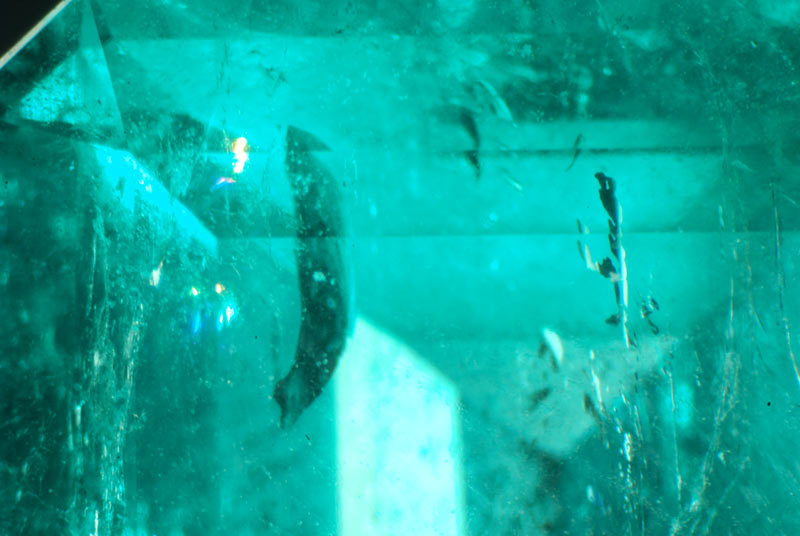
Valentina Gagliardi, of the Istituto Gemmologico Italiano, has instead mainly used IR spectroscopy to identify and characterize the filling contents of the surface reaching fractures of emeralds. We entered the core of the activity of gemmological labs, dealing with a hot and discussed topic which greatly influences the quality appraisal and which is very much solicited by the market demand. It is not accidental that IGR has dedicated a considerable amount of space to the approach implemented by the major laboratories on how the fillers can be determined and reported (article by Jeffery Bergman, published on IGR – Italian Gemological Review nr. 10 – Autumn 2020). The IR spectral reaction – explained the speaker – offers distinct data such as to identify the fillers and their diverse types.
Ferdinando Bosi – Tourmaline as a gemstone
Ferdinando Bosi, of the Department of Earth Sciences, Sapienza University of Rome, explained thoroughly the unique characteristics of the tourmaline supergroup, which is subdivided into groups (alkaline, calcic, and vacant) based on the dominant constituent at site X.
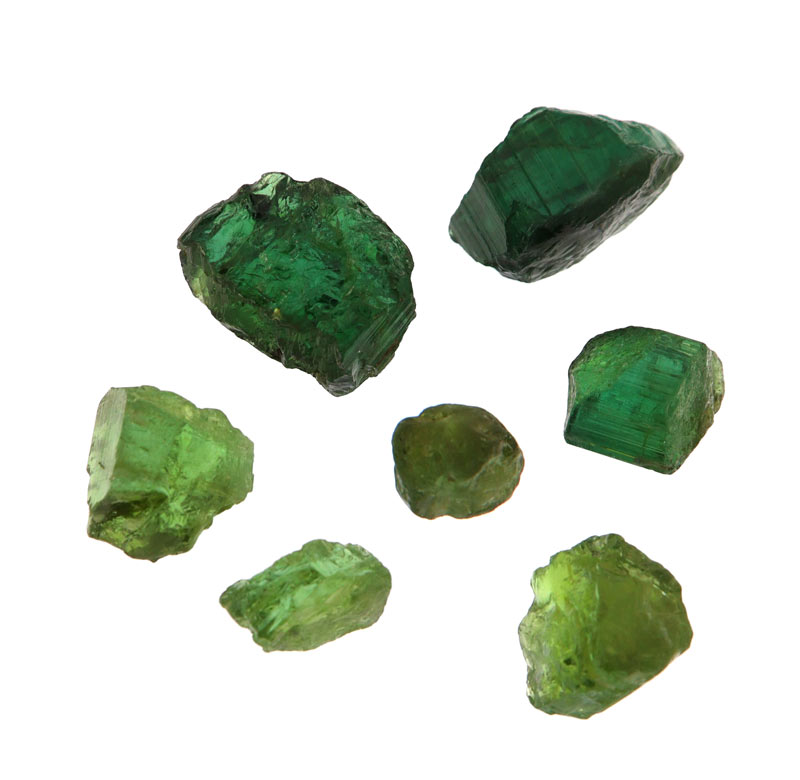
This subdivision reflects the paragenesis of the rock where tourmaline crystallizes. Tourmaline is a very complex B and Al cyclosilicate, which incorporates durability, beauty, and rarity and provides a large number of distinct varieties through a broad color spectrum: rubellite (pink-red), canary tourmaline (yellow), verdarlite (yellow-green to blue-green), chromium tourmaline (deep green), paraiba (bright blue-green), indicolite (blue-blue), and acroite (colorless).
The general chemical formula of tourmaline is: XYZ(T6O18)(BO3)3V3W, where as a rule X = Na, Ca and • (vacation); Y = Li, Mg, Mn, Fe, Al, V, Cr; Z = Al, Mg, Fe, V and Cr; T = Si, Al, B; B = B, V = (OH) and O; W = (OH), O and F. Crystallographically, the structure of tourmaline plays a primary role in determining the peculiar durability of this gemstone. The three-dimensional scaffold of ZO6 octahedra, where often Z = Al3+, provides tourmaline with high hardness (~7.5 on the Mohs scale) and limited variation in Z-O bond strength (~0.5 vu) in different directions. By avoiding loss of polished surface luster, it prevents both scratching and the breakage of the gemstone according to crystallographic surfaces, making the degree of wearability excellent.
In addition to this mechanical strength, the strong Z-O bond also provides resistance to chemical and meteoric alteration. Therefore, the strong and rigid ZO6 structure results in high mineral stability, which can easily lead to growth up to few centimeters. Its growth as a highly transparent material, mostly free of inclusions and other internal features, provide the gem-quality crystals so much required for faceting. Along the c-axis, the development of the main ZO6 scaffold creates structural channels, where structural islands reside, consisting of polyhedra XO9, YO6, TO4, and BO3 (Bosi 2019). Within the structural islands, particularly in the YO6 octahedra, chromophore elements (Ti, V, Cr, Mn, Fe, and Cu) are accommodated. The arrangement, perpendicular to the c-axis, of the structural islands results in strong pleochroism (ω >> ε), the color of which can vary from very intense to weak.
Giuseppe Elettivo – The gemmologist in his working field: the Brazilian tourmaline mines
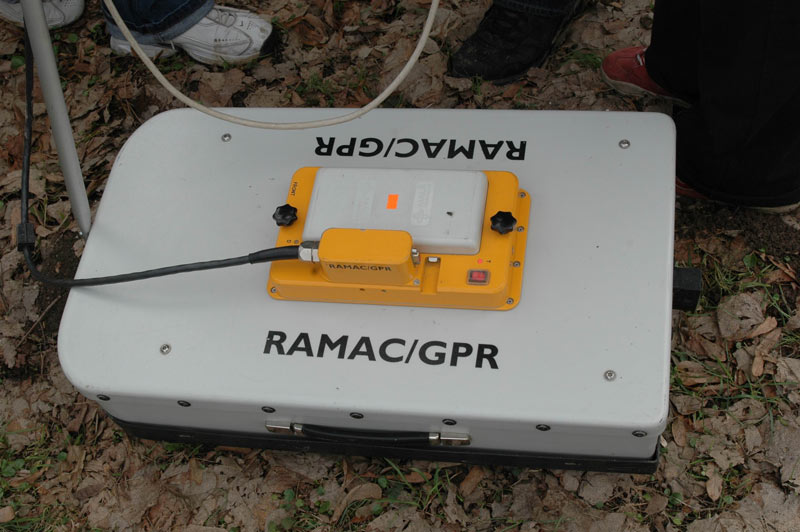
Giuseppe Elettivo, geologist and gemologist, drew the participants’ attention to mining prospection and gave an account of his mining field experiences. Specifically, he reported on his mission to Minas Gerais in the pegmatitic mines in the São José da Safira district. Identifying profitable gemstone veins is a quite challenging task because economic costs soar as soon as a decision is made to progress in one specific extraction direction. In such a context, the use of GPR (GeoRadar, Figure 6), an instrument that is able to detect differences in soil density through the emission and reception of signals at certain wavelengths, is particularly helpful for orientation.
Using GPR requires a great experimental work so that it is only at the end of the tunneling survey that it is possible to check what actually can be found in the underground. However, there is a great complexity since neither literature nor shared data on GeoRadar are available because of the high sensitivity of the information that can prove decisive in the economic and financial performance.
Marco Torelli – Analytical procedures to improve the work process in a gemological testing laboratory
Being his presentation focused on the gem lab daily experience, Marco Torelli, director of the Masterstones Gemmological Laboratory, made the work turn to extremely pragmatic observations. Initially, it is necessary to interact with the scientific and theoretical side, monitoring the research and the scientific literature, the characterization of minerals and the identification of treatments. However, when subsequently it comes to setting the practical implementation it is essential to elaborate procedures able to satisfy the demand for a reliable documentation of the properties of the gemstones, once they are marketed. Torelli recalled his experiences (introduction and experimentation of LIBS spectrometry at Aldo Moro University, Bari, in collaboration with Prof. Eugenio Scandale) and called for a more intense collaboration with the university environment. The presentation not only covered the used equipment but also and above all the routine and the sequential steps involved in the different measurements. For example, to detect whether a diamond is synthetic, several techniques can be used; FTIR is suitable for type characterization, UV-VIS-NIR or the EXA fluorescence spectrometer for nitrogen detection in the crystal lattice. The FTIR is also crucial for emerald fillers determination. By the Micro-Raman a confirmation on the presence of glass in corundum’s fissures or cavities can be achieved, as wells as indications on the geographical origin through the identification of micro inclusions. In addition, by working in photoluminescence, the presence of silicon (Si) in the synthetic diamond CVD is detected, as well as the structural change in natural IIa bleached diamonds. By means of the LIBS, specific trace elements are detected, especially beryllium (Be) in corundums in the suspected cases of deep thermo-diffusion treatment.
Manuela Rossi – Characterization of the blue halo in fancy sapphire
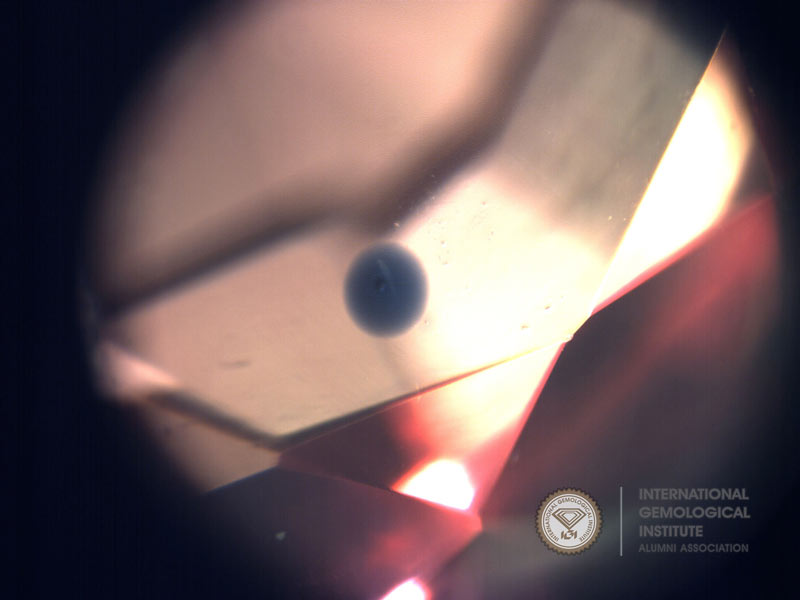
Manuela Rossi, of the Department of Earth, Environmental and Resource Sciences, University of Naples Federico II, offered an in-depth study on an extremely hot issue related to gemmological reporting, namely the identification of deep diffusion treated corundum. More specifically, the research investigated the characterization of blue halos (Figure 7), a frequently used indication experts resort to when determining the beryllium diffusion treatment in trace, a treatment which can modify the color of sapphires.
The work is the result of a formally ratified collaboration program between the International Gemological Institute and the Federico II Departments of Chemistry and Earth Sciences under the coordination of Francesco Sequino, director of the Gem-Tech gemmological laboratory in Naples. Aside from the determination of blue halo causes, the research targets also the possible introduction of empirical procedures helping to identify the treatment even using ordinary instrumentation.
Beryllium deep-diffused corundums were introduced into the market about 20 years ago. As early as in 2003 a paper on the subject noted that beryllium diffused gem samples from Songea containing rutile crystals showed a typical internal diffusion pattern consisting of hexagonal or irregularly shaped crystals surrounded by a spherical blue halo. The contrast between the blue color and the rest of the gem color (yellow, orange, or red-orange) was distinct. IGI and Federico II have now focused on investigating blue halo actual causes in sapphires, given that the research topic had not yet been extensively documented in the relevant literature.
Forty-three differently colored cut stone specimens (ranging from pink, to green, blue, purple, orange, red, and yellow) from Thai manufacturers were tested. Among them, 14 specimens (yellow and orange) showed a blue halo and were analyzed under optical microscopes, micro-Raman spectroscopy, SEM and EDS techniques and powder X-ray diffraction (PXRD) to get more information about the genesis of the blue halo and the related system of inclusions. The inclusions were found to be related to Ti, Ti-Al and Ti-Fe. More specifically, rutile, tistarite, thialite and solid solutions of hematite-tistarite have been found.
It is likely that the beryllium thermo-diffusion process leads to partially melting the pre-existing solid inclusions, such as rutile, and locally results in a partial melting and destabilization of the corundum structure which, at this stage, accommodates the titanium present in the rutile. It is assumed that the chemical and physical conditions change triggered by the lowering of temperature, can cause the formation of these new phases such as thialite, tistarite and tistarite-hematite solid solutions.

Raffaella Navone – Drôlerie. Unusual materials in a gemmological laboratory
The digression of Raffaella Navone, of the Laboratorio Gemmologico R.A.G., in the unusual materials that have been submitted for testing over the time, has brought to the reconstruction of some very bizarre cases, such as a micritic limestone with an extremely fine grain or a pyromorphite specimen, a rare lead mineral.
Fabrizio Nestola – Diamonds, a travel to the center of the Earth
Fabrizio Nestola, of the Department of Geosciences, University of Padua, inaugurated the second working day. The speech was long-awaited given the internationally recognized reputation of the author’s studies on diamond as a vector of information on the history and evolution of our planet.
Inclusions in diamonds represents helpful clues and marks for the gemological identification work. They turn to be negative elements when it comes to commercial pricing. On the contrary, in geology, impurities and inclusions contained in diamonds are precious open windows pointing to the center of the Earth. They work as carriers of mineralogical fragments coming from the very deep. Three very quick considerations show the importance of the information contained and kept by diamond closed system. We know little or nothing about the Earth at depths between 120–130 km and 800–1000 km. Only diamonds can reach the surface from such depths. Their age – up to 3.6 billion years – allows us to capture entire phases of the planet’s evolution, thanks to inclusions that can be dated back to billions of years.
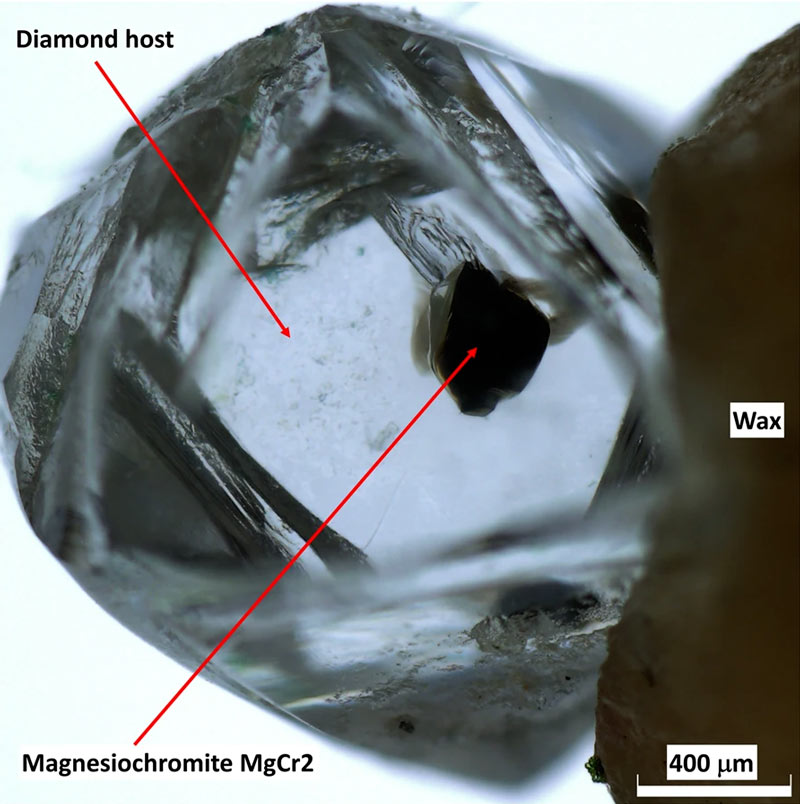
Lithospheric diamonds represent 99% of all diamonds studied so far. They form at depths ranging from about 120–130 to about 200–210 km within Earth’s mantle. They show very regular morphologies (cube-octahedron, etc.) and have a very high nitrogen content, as an impurity, up to a few thousand parts per million. However, the main feature of lithospheric diamonds is the inclusion typology which is characteristic of the upper mantle. They include garnet (protogenetic, it is found only if its crystals are less than 100 microns and the formation temperature is higher than 1273 K), olivine, pyroxene, iron sulfides, cohesite and other minor phases.
The super deep diamonds, also known as sublithospheric diamonds, are extremely rare, being just 1% of all those investigated to date; they form at very high depths between 300 and 1000 km; super deep diamonds show very irregular morphologies and often negligible nitrogen content and are identified by the type of their mineralogical inclusions, ferropericlase (found at a minimum depth of 450 km), breyite (CaSiO3), jeffbenite (with a composition similar to that of a pyropo-almandine garnet) and many other phases still under study.
Loredana Prosperi – The natural diamond and its competitors: gemmological testing and analytical challenges
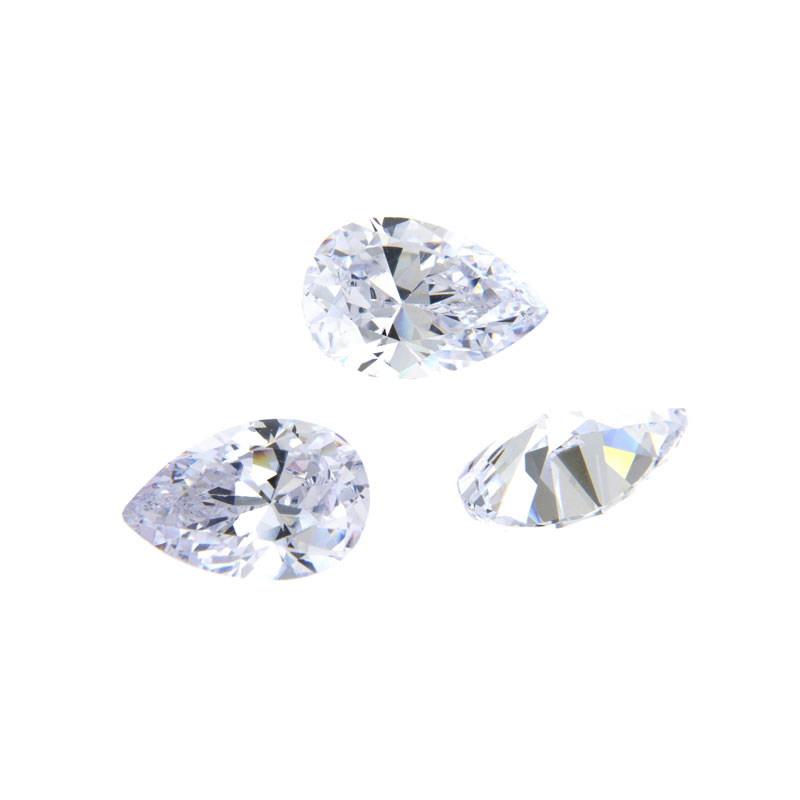
Loredana Prosperi, of the Istituto Gemmologico Italiano, reviewed what are considered to be the traditional “competitors” of diamonds on the market. These stones can be mistaken for diamonds because of their appearance. The first materials of this type to be used were the natural and colorless ones, i.e. topaz, quartz, zircon, followed by the artificial ones with no natural counterpart, such as “YAG”, “GGG”, “Strontium Titanate (Fabulite)” and “Cubic Zirconia”. Since 1996, moissanite has come to the fore. So far, the traditional instrumentation can be sufficient for the recognition, at times a simple refractometer indication of values below 1.78 was sufficient.
Currently, the most aggressive “competitor” are the synthetic diamonds and these can be identified only by means of advanced instruments, often available only at the most qualified laboratories.
Giancarlo Della Ventura – Spectroscopy and FTIR imaging of diamonds
Giancarlo Della Ventura, from the Department of Sciences, University of Roma Tre, illustrated some applications of infrared spectroscopy (FTIR) applied to diamonds and specifically to the study of impurities, typically nitrogen (N) and boron (B). Diamond has a very characteristic IR spectrum, which allows a relatively simple identification, separating it from its imitations with similar properties, such as cubic ZrO2 or moissanite (SiC) as well as differentiating natural diamonds from synthetic ones. It also allows to characterize possible treatments under high pressure and T temperature.
In addition to these gemological applications, nowadays the new IR micro-spectroscopic techniques provide access to extremely topical scientific information for the reconstruction of the planet’s geophysics. Diamonds are generated at great depths in the Earth’s mantle and are then transported to the surface by geodynamic processes, so they often retain within them fragments of materials incorporated during their growth and their surface reaching journey. The study of these inclusions, which can be either solid (minerals) or gaseous (volatile molecules such as CO2, H2O, or hydrocarbons) is a new frontier. Today, high-resolution images of the distribution of inclusions within the specimens can be obtained.
Alberto Scarani – Diamond screening and color stones identification by spectroscopy and fluorescence
Alberto Scarani, gemmologist and gemmological instrumentation manufacturer, has directed the debate of the Conference towards specific cases of diamond screening, especially concerning the small sized ones. Currently they do represent the most serious diagnostic challenge laboratories have to deal with. Actually, on the market it is not at all uncommon to find synthetic diamonds mixed in natural diamond melee. These difficulties are exacerbated by the fact that laboratories use to test jewelry-mounted diamonds less frequently than loose stones, and when they do, the operational complications increase.
The market requires screening procedures with suitable functions to tackle the problem. They are supposed to be based on a simple approach fit to unskilled staff as well, low cost and a convenient operating speed. Consequently, instruments based on several different technologies have appeared on the market and they are enabling fast screening on a wide scale using tests based on the univocal identification of synthetic or natural material. Traditionally used methods are no doubt still appropriate but do not fit the need for fast and efficient screening. These are based on shortwave transparency (a rather complicated investigation to be done for large quantities of stones), phosphorescence (based on the search for boron which is responsible for it) and luminescence.
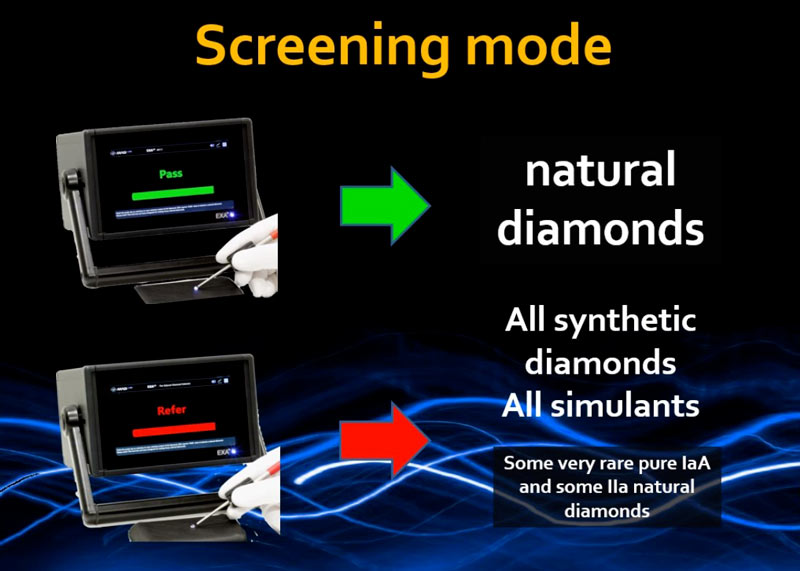
Unlike these methodologies, fluorescence-based screening (Figure 11) aims to detecting a unique feature found only in colorless natural diamonds, a defect that cannot be replicated in colorless synthetics. Essentially, it is a nitrogen aggregate (N3) producing a distinct spectral trace. The technique is so effective that can identify a minimum trace of N3 even in natural Type II diamonds, which by definition should not have this impurity embedded in the crystal lattice. Gemstones that are found to be free of this diagnostic defect during the screening should be included in the “refer” group, that is among those which must be resubmitted to further investigation.
This type of investigation allows to achieve excellent results even when working with fancy diamonds and those color gemstones that have specific emission spectra allowing their unequivocal identification. This is mainly the case with gems with chromium and vanadium impurities. Fluorescence spectroscopy is also useful to identify treatments involving impregnation with foreign substances, such as in emeralds. In many cases it is also possible to distinguish whether the filling material is of organic or synthetic origin.
Maria Cristina Caggiani – Studies on alteration amber origin and alteration: a multi-analytical approach
Maria Cristina Caggiani, of the Department of Biological, Geological and Environmental Sciences, University of Catania, described the origin and alteration of two types of amber, one from Romania (romanite) and the other from Sicily (simetite). The former differs from the latter, a very rare and valuable variety, because it is richer in carboxyl groups, probably because it is more oxidized. Origin determination and alteration grade assessment of geological or archaeological specimens require a variety of investigation methodologies such as Raman spectroscopy which has proved effective in the romanite and simetite identification, also in combination with Nuclear Magnetic Resonance (NMR) and statistical treatment, based on spectral characteristics related to different maturation grades. FT-Raman investigations have also served, together with statistical treatment, to characterize fouling and darkening of succinite and romanite subjected to artificial weathering, distinguishing two different performances in terms of degradation of the material that has not reached its own stability (oxidation and consequent formation of acid and ester groups).
Rocco Gay – Factors determining the Colored Gemstone Marketplace
The presentation by Rocco Gay, owner of a gemstone cutting company, was an opening window on the market scene, including the trend setting players, the most popular gems and their required qualities. The declining figures of domestic jewelry demand and of the Italian jewelry exports throughout the sanitary crisis have been compensated by an upward trend in colored gems (+5.7% steady rise, expected over the next 20 years), which will grow more than diamonds (in 2019 in the USA -8% diamonds and +14% colored stones). The take-off will be driven by the giant and medium-sized luxury brands, LVMH, Richemont, Kering, Gucci, Armani, Pomellato together with new innovative forces including the influencers, the social brands and the steadily growing niche groups.
Consequently, the gemstone market is necessarily taking into account the demand fueled by highly structured and vertical organizations, able to impose products and generate consumer preferences as well as deal with the problems related to raw material traceability. Thus, gemstone manufacturers are required to ensure the provenance, rejecting unwanted countries that may be ethically questionable. They must also guarantee the constant availability of materials and respond to the demand for faultless, serial and perfectly executed cutting which often are supposed to become iconic for the brands. Technically speaking, a determinant role is played by mechanised manufacturing processes, numerical control and the use of laser cutting technology; it should also be noted that the absence of any type of treatment is no longer a factor that the market regards as indispensable, provided that the treatments are non-intensive and duly declared.
Specifically, the district of Valenza is of particular importance, where Bulgari (1400 employees), Cartier, Equinoxe and other important groups have established some of their facilities, feeding a strong induced local gem industry.
Daniela Mele – 3D micro-tomography for the study of the internal characteristics of diamonds
The talk by Daniela Mele of the Department of Earth and Geoenvironmental Sciences of University “Aldo Moro”, Bari, highlighted the benefits of high-resolution non-destructive X-ray absorption computed microtomography for diamond studies. Using this technique it is indeed possible to obtain three-dimensional images of the diamond internal microstructure. The study of these 3D images associated with other non-destructive techniques allows a theoretical identification of the formation environments.
Martha G. Pamato – In-situ characterization of sulfide inclusions in diamonds and the age of diamond formation
Martha G. Pamato, Department of Geosciences, University of Padua, has focused her studies on the sulfides, the most common inclusions in diamonds. Diamonds crystallize in the mantle and are brought to the surface through explosive eruptions. Internally they contain sulfides that have formed at the same time or perhaps even before the diamond. This is why sulfide inclusions are an important tool to date diamond formation and are the best candidates to study the mantle’s composition and evolution, as well as the physical and chemical processes in the mantle that took place during the diamond formation.
Giulio Chiodi – Analysis of treated corundums by SEM-EDS technique
Giulio Chiodi, of Labigem laboratory in Vicenza, has examined by means of the SEM-EDS Phenom XL of Thermo Fisher Scientific some samples of corundums to check their treatments. The technique is proving to be particularly useful for the study of corundum filled with heavy metal-based glass. This instrument allows to test the gems at high magnification and focus on fractures and/or filled cavities from where an elementary chemical analysis of the filling substances can be obtained.
Floriana Rizzo – Identification of tourmalines by Raman spectroscopy
Floriana Rizzo, Department of Earth and Geoenvironmental Sciences, University of Bari, presented a study for the identification of tourmalines using Raman spectroscopy. The great demand for this gemstone, by now well known also on the Italian market, has made necessary a quick identification method of some of the species belonging to the supergroup. Raman spectroscopy is a low-cost, non-destructive procedure and it is suitable for univocally detecting a number of minerals through a spectrogram with characteristic peaks.
Giada Marchetti – Natural and Zachery treated turquoise: a preliminary study
Giada Marchetti, Department of Earth Sciences, University of Milan, addressed the problem of distinction between natural turquoise and Zachery-treated turquoise (an undisclosed hardening treatment applied to medium-high quality rough gemstones that makes them also more vividly colored).
Through the use of both traditional and innovative tests (EMPA, SEM, XRD and X-ray microtomography), a research group was able to highlight the differences between treated and untreated samples. The study showed an increase in potassium at the edges of Zachery treated turquoises, an evident presence of reaction edges affecting the entire treated gem and the presence of an as-yet-unknown non-crystalline component. All these features do not occur in natural untreated specimens.
Giacomo Eramo – Gem Session: music from gems
The two-day conference was closed by an imaginative talk, which was not lacking in some fascination and inspiration. Giacomo Eramo, of the Department of Earth and Geoenvironmental Sciences of the University of Bari, elaborated a sonification process applied to the characteristics of some crystals. In particular, the experiment was based on the scanning of the atomic positions lying on planes perpendicular to the axes to produce a unique melody thanks to the transposition into musical notation of the following elements: periodic table group = duration (short/long), angular position = pitch (low/acute), periodic table = timbre (instrument), distance from the axis of symmetry (intensity). Participants were thus able to “listen” to the sound that some gems “emit”. Purity, weight, color and cut are converted into the musical form, instrumentation, dynamics and type of trichords.
Article by Paolo Minieri, published on IGR – Italian Gemological Review #13, Autumn 2021