This content was first published on IGR – Italian Gemological Review no. 14 in 2022. The information provided here is therefore current as of the original publication date.

Gemstone enthusiasts are used to appreciating the inclusions they every day come across within stones. Among them, the most breathtaking ones are the animal and vegetable inclusions inside amber.
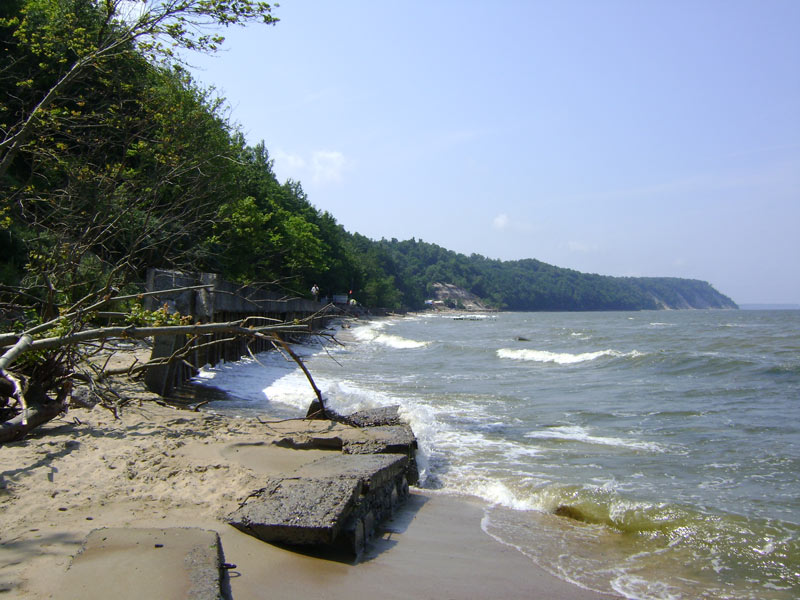
The latest amazing find, a pine cone embedded in an amber, was reported in the journal Historical Biology by Professor George Poinar Jr. of Oregon State University. This amber comes from the Samland Peninsula (also known as Sambia), in the Kaliningrad Oblast’ of Russia, on the southeastern shore of the Baltic Sea, and the researchers believe that it probably formed during the Eocene, between 55.8 and 33.9 million years ago.
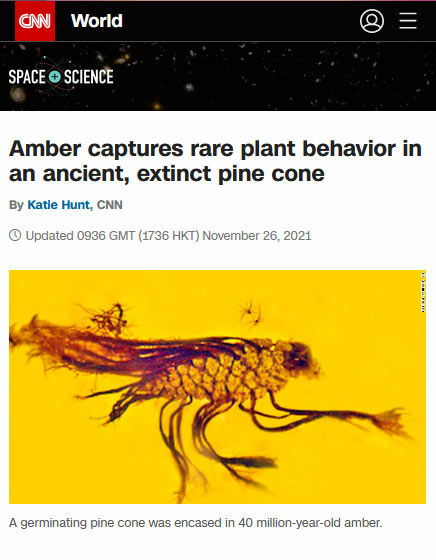
But what’s remarkable about it?
Usually pine cones release their seeds only after they have fallen to the ground, but in this case embryonic stems can be seen inside the fossil of the parent cone. This is a process called early germination, similar to animal germination, and almost non-existent in this species. It is still unclear whether the embryos germinated before or after they ended up in amber, however according to Poinar «based on their position, it appears that some growth, if not most, occurred after the pine cone fell into the resin».
Gem News published on IGR – Italian Gemological Review #14, Spring 2022