This content was first published on IGR – Italian Gemological Review no. 21 in 2025. The information provided here is therefore current as of the original publication date.

HRD Antwerp’s decision to stop certifying synthetic diamonds has been welcomed by operators in the more traditional segments of the jewelry industry, particularly those focused on natural gems. For many, this move presents an opportunity to reduce the competitive pressure between natural and synthetic stones, and to address the confusion that, in their view, harms the end consumer.
This sense of relief was further reinforced in June 2025, when the Gemological Institute of America (GIA) announced a similar shift: by the end of the year, it will discontinue the traditional 4Cs grading scale for synthetic diamonds, replacing it with a simpler classification system of “premium” and “standard”.
The GIA has always been cautious with regard to this segment. This caution is shared: for instance, Lightbox, the synthetic diamond brand launched by De Beers in 2017, was intentionally introduced without certifications. However, as synthetic diamond prices surged to $30,000 per stone during the market’s peak, the demand for GIA reports for these stones grew.
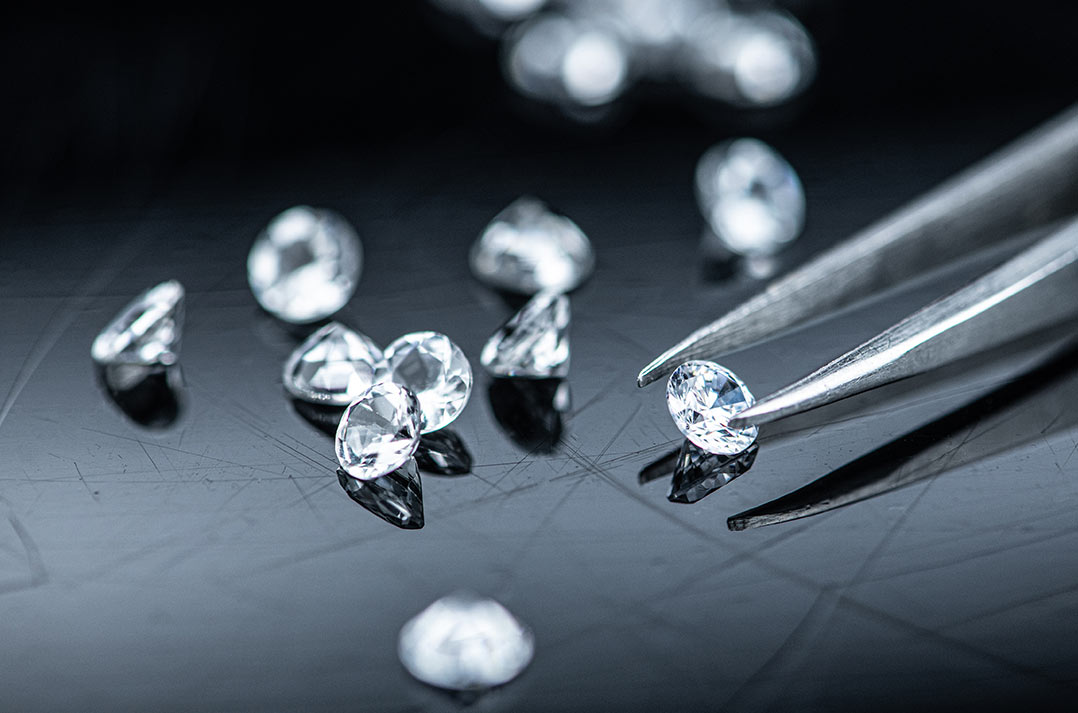
For the first time, lab-grown diamonds — created by humans rather than nature — were included in the elite group of gems deemed worthy of certification. But the GIA’s new simplified system reflects a different reality today: the ongoing price decline has diminished the public’s perception of their value.
The GIA’s decision is the latest in a series of changes for lab-grown diamonds. In 2006, the institute started using more general descriptions like “near colorless” or “VVS” to avoid direct comparisons with natural diamonds. In 2019, it removed the term “synthetic” from reports, and in 2020, it applied the 4Cs grading system to lab-grown diamonds during the peak of demand and prices.
The synthetic diamond certification business has seen various phases of repositioning, but no major lab has ever opted out on principle. In this context, rather than an ethical decision, HRD’s exit seems more like a strategic retreat, aimed at refocusing on its core business.
Meanwhile, the International Gemological Institute (IGI) confirmed in July 2025 that it will continue certifying synthetic diamonds. While not everyone in the industry agrees with this decision, it stands out for its consistency, backed by strong numbers: in 2024, IGI reported a turnover of about 107 million euros, with over 48 million euros in profits and a 65% market share. The big question now is: Will the falling prices of lab-grown diamonds drag down certification revenues as well?
Gem news published on IGR – Italian Gemological Review #21 – Autumn 2025.