This content was first published on IGR – Italian Gemological Review no. 11 in 2021. The information provided here is therefore current as of the original publication date.

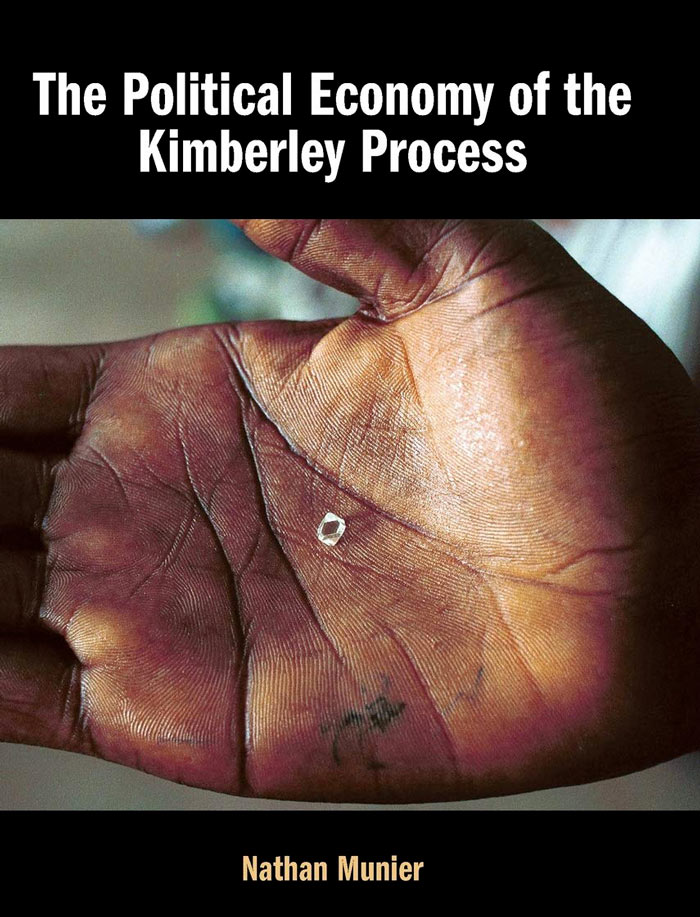
The Kimberley Process Scheme is a complicate transnational mechanism that has been regulating the diamond exportation for nearly 20 years. A wave of criticism is shedding dark lights on its profound crisis. Munier is a full-time Lecturer at the Institute of International Strategy (IIS) at Tokyo International University (TIU). He has studied African diamonds and their actual use as a resource for development. In his recent work, “The Political Economy of the Kimberley Process, (2020), Cambridge, Cambridge University Press”, the KP and diamond mining in Africa are observed under a wider perspective than that trade and the industry are used to.
In 8 chapters Munier offers insights into the diamond exploitation policies of the African countries with a special focus on Angola, Sierra Leone, Namibia and Zimbabwe and their controversial compliance with the KP.
Direct players of the diamond industry may have their vision distorted by their direct involvement in the business. This book provides a wide spectrum political and economic frame to focus the variables and the constants of alluvial diamonds exploitation. National borders, the role of private companies and government controlled bodies, the percentage of diamonds on national GDP are some elements that can explain how much or how little African economies have been taking advantage of their own diamonds. Munier points out that the new independent African governments, while are far more legitimate than their predecessors, in many cases are continuing the former colonial policy. Despite De Beers monopoly came to an end, private firms in Africa still are more powerful than the states themselves and control the decision making process. The KP was introduced in such a framework and in this environment it has been working. It was implemented as a step towards a necessary change to contrast abuses but it actually has served to perpetuate an unequal “mode of exchange” in the global diamond trade. And this has little to do with its original intent.
Gem News published on IGR – Italian Gemological Review #11, Winter 2020-21