This content was first published on IGR – Italian Gemological Review no. 6 in 2019. The information provided here is therefore current as of the original publication date.

What is generally named serpentine (in most cases it actually indicates a rock that should be more properly named “serpentinite”) is actually a family of minerals belonging to the group of kaolinite-serpentine.
The most common minerals belonging to this group are crysotile, amesite, antigorite, lizardite, usually rarely used in jewelry. Yet intense colored varieties such as népouite, where a significant part of magnesium in lizardite is replaced by nichel originating a more or less intense and rather elegant apple green color, can be remarkable from a gemological point of view.
Though nearly all minerals of the group are phyllosilicates, their more common appearance is massive and fibrous. In the last case the phyllosilicates sheets roll on themselves forming fibers whose actual structure con be observed only through electronic microscopy.
In many cases the green color masses of serpentine are crossed by veins of black or dark minerals possibly forming a pleasant contrast, or by veins of white calcite resulting into an ornamental stone (the famous “Alpine green”) appreciated since many centuries in fine or monumental architecture.

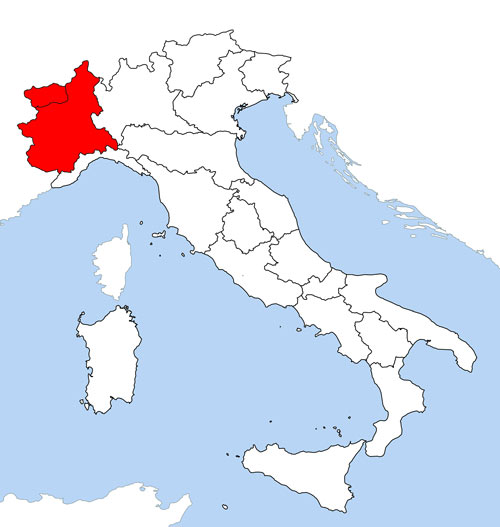
Being serpentines essential constituents of the so called “green color complexes”, which are very much represented in the complex geology of Aosta Valley and Piedmont, only some basic locations are mentioned, Chatillon and Gressoney.
Some specimens of green/yellow (more or less intense) up to light/apple colored serpentines may be of gemological use to be carved in small objects, cameos or cut cabochons (Figure 71). Specimens rich of crysolite, whose well oriented fibers allow plays of colors such as chatoyancy, are interesting and truly attractive.
Visit the Gems of Italy section!
Curated by the qualified group of expert of the section Gems of Italy, published on IGR – Italian Gemological Review #6, Spring 2019.