Practical workshops have been important part of previous six Mediterranean Gem and Jewellery Conference as all jewellers, dealers, gemmologists and appraisers need to update their knowledge on natural and synthetic gems and diamonds, with new technology to treat and grow diamonds and gems being used. At 3rd Mediterranean Gem and Jewellery Conference in Syracuse in 2017 focus was on Coloured Diamonds, and in Cavalese we have variety of topics, as we cover “Challenges in ID of Synthetic and Treated Diamonds and Gems”. We will be using standard and advanced instruments in 3 days at two locations in Cavalese hosted by Gemmarum.
BASIC-INTERMEDIATE DIAMOND WORKSHOP: “ID of Diamond Simulants and Laboratory-grown Diamonds with Standard Instruments”
May 7, 2024 – No previous gemmological education required
Instructor: Branko Deljanin, B.Sc., GG, FGA, DUG, Canadian Gem Lab, Vancouver
MORNING: ID of DIAMOND SIMULANTS
- Chemical and Physical properties of Diamond
- Optical properties and internal and external features
- Natural and synthetic gems used to simulate Natural Diamond
- Key ID features of most common Imitations: CZ and Synthetic Moissanite
- The use of loupe and microscope in diamond identification
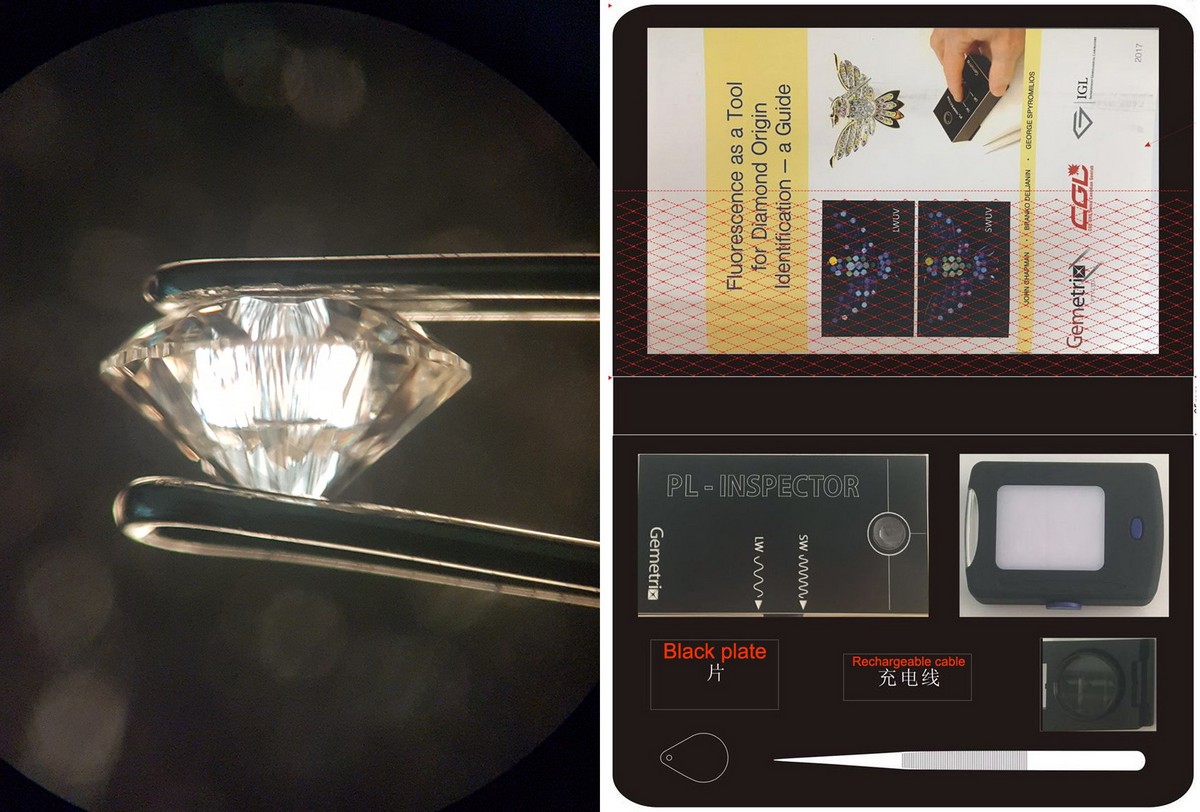
- Fluorescence as screening tool for ID of natural diamond and imitations
LAB: using the microscope, polariscope, PL/Jewellery Inspectors in observing properties of loose & mounted natural diamonds, CZ and synthetic moissanites.
AFTERNOON: ID of NATURAL and SYNTHETIC DIAMONDS
- Types of diamonds based on nitrogen and boron content
- Colourless Natural diamonds: sources, characteristics and identification
- Methods of growing HPHT and CVD diamonds
- Inclusions in Natural and Synthetic diamonds
- UV lamp – reaction of different types of diamonds under LW/ SW UV (“PL inspector”)
- CPF (Cross Polarized Filters) method and instrumentation to screen and ID diamonds
LAB: using the microscope, polariscope, PL/Jewellery Inspectors in observing properties of loose & mounted natural, HPHT and CVD-grown diamonds.
This workshop is designed for jewellers, wholesalers and beginners in the trade who need first to properly identify stone in question as DIAMOND, and then learn to use standard instruments to differentiate Natural from HPHT-grown (easier) and CVD-grown (more difficult).
INTERMEDIATE DIAMOND WORKSHOP: “Identification of Natural and Laboratory-grown and Treated diamonds with Standard Instruments”
May 8/9, 2024 (Morning) – Some gemmological education required
Instructor: Branko Deljanin, B.Sc., GG, FGA, DUG, Canadian Gem Lab, Vancouver
While well-equipped labs can identify LGDs and issue a report accordingly, the science of diamond no longer resides in the lab, as diamond dealers, gemmologists, appraisers, and retailers need help to at least screen and identify natural and laboratory-grown diamonds. It is strongly recommended to test each diamond in question with minimum 3 instruments, as there is no single instrument from any of 3 groups (standard, luminescence and advanced spectroscopy) that could give all the time 100% ID of diamond in question.
This half day workshop is designed for gemologists and appraisers. You will learn about diamond types and how to identify HPHT-grown diamonds with portable instruments (“PL inspector” and mini polariscope with microscope) and microscope. You will also learn how to spot “pattern” under Cross Polarized filters in CVD-grown diamonds and identify stone but when natural type IIa and CVD-grown patterns overlap, and LW=SW fluorescence, advanced spectroscopic testing is required.
LAB: 50 samples of Ia, IIa, IIb, Ib diamonds (natural and synthetic, loose and mounted) and mixed types to use with portable polariscopes mounted on microscopes and PL/Jewellery inspectors.
ADVANCED DIAMOND WORKSHOP: “Identification of Natural and Laboratory-grown and Treated diamonds with Advanced Instruments”
May 8/9, 2024 (Afternoon) – Some gemmological education required
Instructor: Mikko Åström, FGA, MAGILABS, Finland
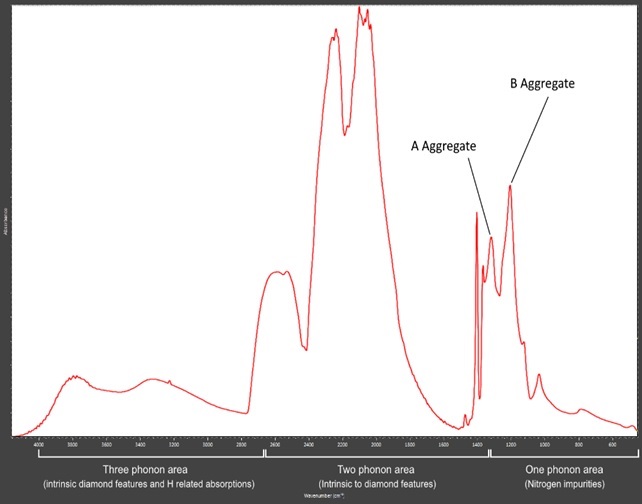
Identification of synthetic and treated diamonds cannot leave aside today the use of various spectroscopy techniques such as Raman, Photoluminescence (PL), FTIR, UV-Vis-NIR, Fluorescence, and others. Especially nowadays, the wide availability of cheap melee-size synthetic diamonds, very often mounted in jewelry, can pose a huge threat to the work of many operators of the diamond chain. In some cases, the differences between synthetic and naturals are so subtle that such techniques are mandatory for providing the correct identification. This workshop will provide an overview of the most used techniques and the related applications specifically for diamonds including hands-on practice about the most critical cases.
INTERMEDIATE – ADVANCED GEM WORKSHOP: “Possibilities and limitations of treatment and origin determination of major gemstones”
May 8/9, 2024 (Morning) – Some gemmological education required
Instructor: Dr. Lore Kiefert, FGA Gemmological Consultancy, Germany
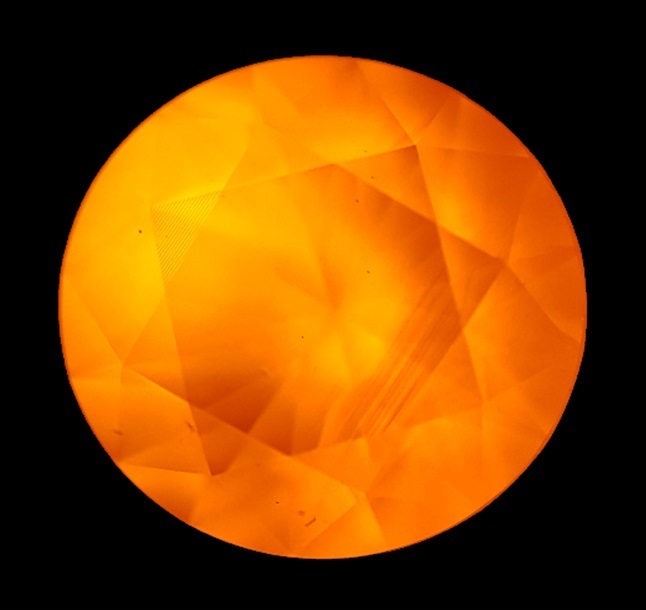
This workshop concentrates on treatment and origin determination of gemstones commonly encountered in the laboratory. Samples are tested with standard equipment, and the possibilities and limitations of the standard tools are discussed. The workshop will not only cover the “big three, ruby-sapphire-emerald”, but also spinel, Paraiba tourmaline, alexandrite and demantoid garnet. These samples will be available to participants to examine with standard instruments and advanced in the afternoon.
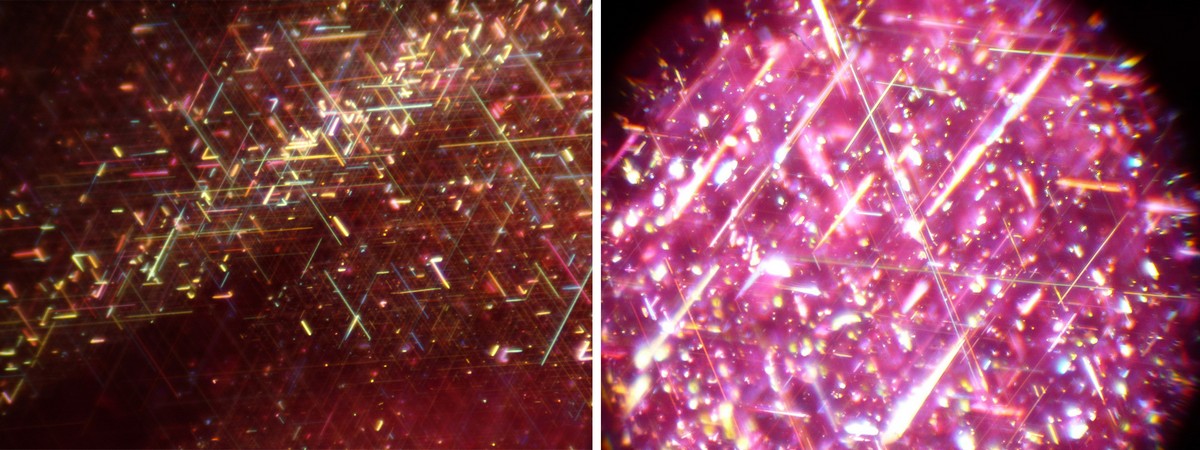
With the current multitude of mines, the identifying features of gemstones were starting to overlap, and microscopy and classical gemmology together with a comprehensive reference collection are not sufficient anymore to determine the origin of a gemstone (Figure). Since the 1980s, laboratories had to consistently upgrade their equipment to keep up with these developments. UV-Vis, FTIR and EDXRF spectrometers, Laser-ablation ICP-MS, and other instruments are nowadays common in major gemmological labs.
ADVANCED GEM WORKSHOP: “Gemological applications of advanced spectroscopy techniques for colored stones”
May 8/9, 2024 (Afternoon) – Some gemmological education required
Instructor: Alberto Scarani, GG, MAGILABS, USA
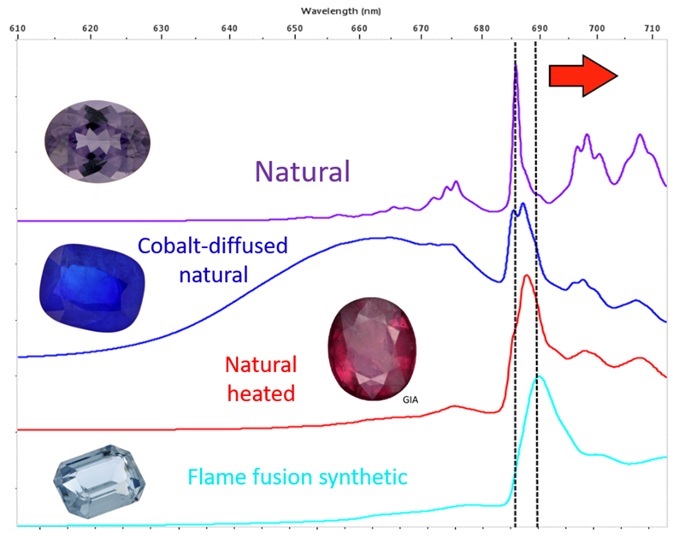
This workshop is focused on the use of various spectroscopy techniques and their main applications in the identification of Gemstones, their treatments, and synthetic counterparts. Unfortunately, several of the major issues coming from the latest improvements in Synthetic and treatments cannot be faced by standard instrumentation and require nowadays to every gemologist an update in knowledge and equipment. Vibrational Raman and FTIR, UV-Vis-NIR, photoluminescence, and fluorescence spectroscopy applications to gemology will be described in detail along with their work protocol in the modern gem laboratory.
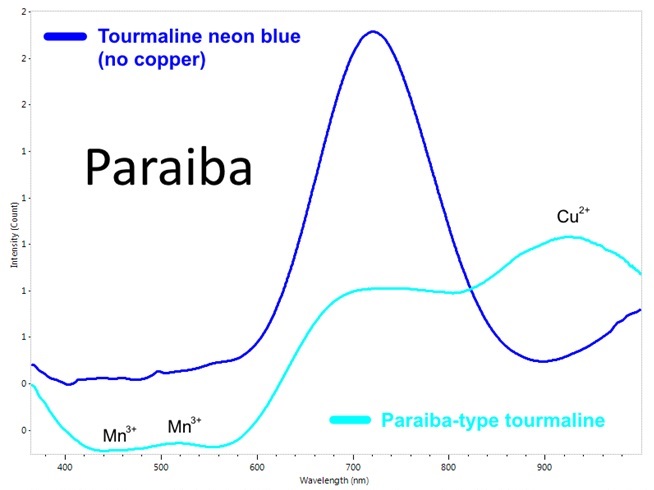
This workshop will provide an overview of the most used techniques and the related gemological applications, including hands-on practice about the most critical cases, by using the full array of MAGILABS instrumentation, such Raman-PL, FTIR, UV-Vis-NIR, and EXA fluorescence spectrometers.
All participants will get Workshop Certificates signed by instructors. For further information and registrations visit the official website: https://www.gemconference.com/store
Article by Branko Deljanin