This content was first published on IGR – Italian Gemological Review no. 17 in 2023. The information provided here is therefore current as of the original publication date.

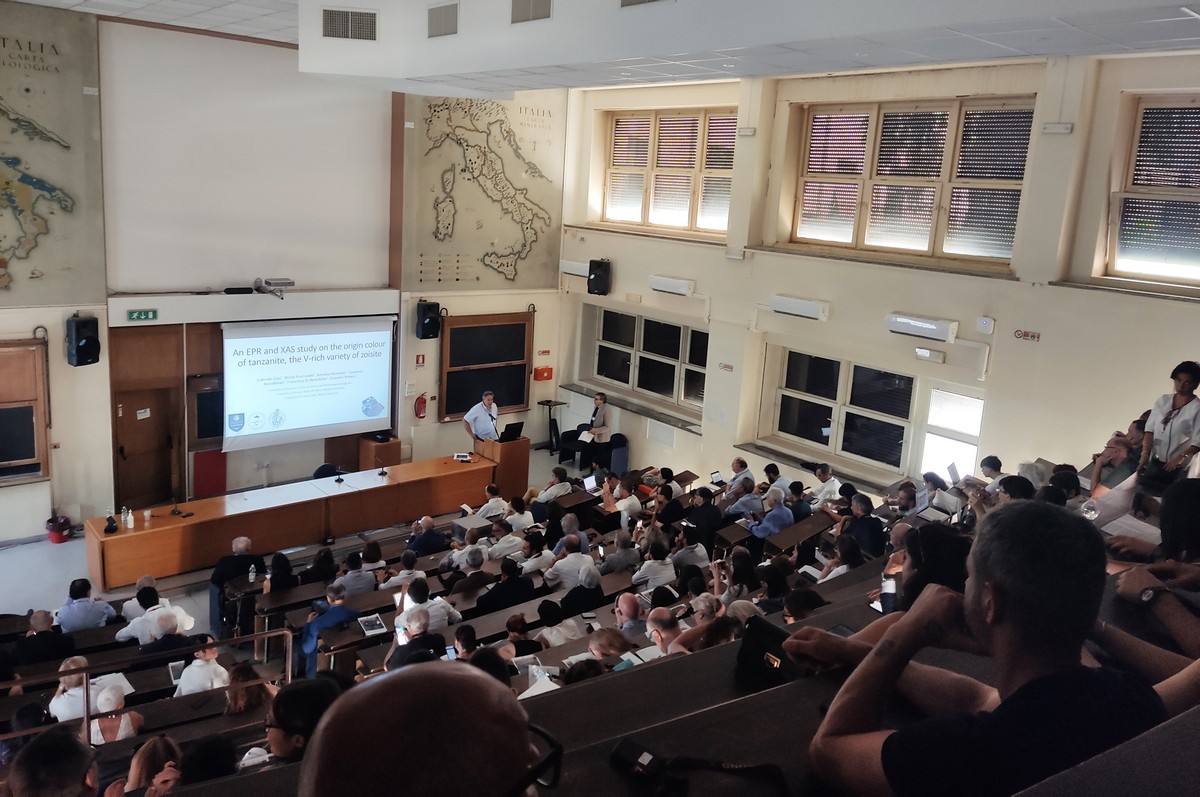
The fifth edition of the National Conference of Gemmology was held successfully on June 26-27 at Sapienza University in Rome. The event was organized by a group of Italian universities based on the successful scheme of previous editions and in collaboration with private companies in the jewelry and gemstone industry. A record attendance of over 220 registered participants was reached. National and international experts in gemology have gathered to present a program specially designed by the organizers to explore the topics from a wide range of perspectives, always taking into account the needs and the state of the gemstone market. Furthermore, this edition introduced an effective simultaneous translation service from English to Italian for the local audience and from Italian to English for international guests, enabling a comprehensive understanding of the presentations for participants regardless of their native language. In addition to scientific presentations, the conference included a panel discussion on guidelines for marketing gemstones and a round table on the possible definition of a “gemstone”.
Review of the presentations’ contents
Editorial Insights, Laboratory Findings, and Investigative Methodology
The central theme running through much of the discussion has been the intricate relationship between science and the market. Gemmology is now turning introspective, not only examining its role as a discipline and the suitability of its tools but also scrutinizing the content of scientific literature and the progress in knowledge compared to the demands of the ever changing conditions of the market. This emerging focus underscores the increased efforts being made to determine the geographical origin of gemstones, a task that has now become an integral part of gemstone identification.
Thomas Hainschwang (GGTL laboratory), “Challenges of Applied Gemology using Modern Analytical Techniques”
Thomas Hainschwang has drawn on his extensive and recognized laboratory experience, including winning the Antonio C. Bonanno Award for Excellence in Gemmology in 2015 and the Swiss Gemmological Society’s Gemmological Excellence Award in 2017, to highlight the gemstones that can be successfully identified and the challenges that still need to be overcome. Although gemologists can easily determine the authenticity of large sized loose stones, the identification of melee is much more complicated, particularly the distinction between pink and blue or colorless HPHT diamonds of types IIa and IIb.
Testing colorless diamonds rated as “refer” after prescreening is not a task to be underestimated. It’s worth noting that out of 150 stones screened by a reputable laboratory, 133 were found to be natural diamonds.
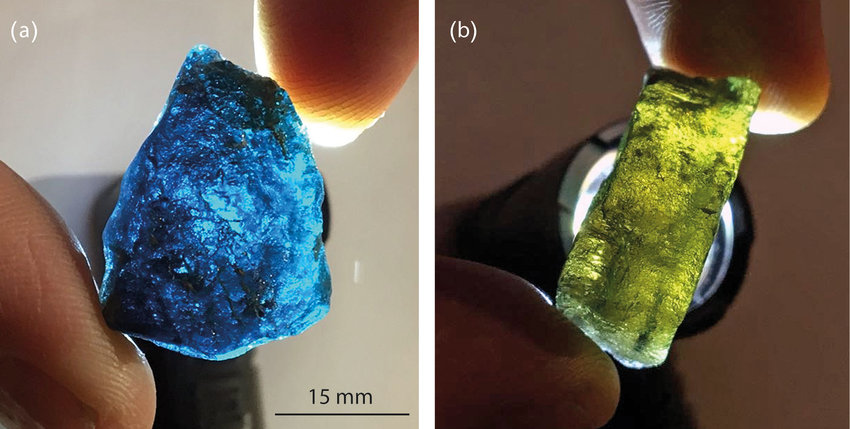
Melee corundums are also problematic. If a laboratory received 5,000 sapphires of 0.9 mm and any treatment other than simple heating had to be determined, it would require specific and complex instrumentation and highly experienced analysts. Identifying treatments is significantly complex, especially when distinguishing between low and high temperature heating in sapphires of magmatic or, in some cases, metamorphic origin. It’s worth noting that not all of them have sufficient inclusions that can indicate any distinct modification after heating. Corundum diffusion treatment with beryllium is identified through the use of chemical analysis (LIBS or ICPMS). Detecting heating treatment of beryls is almost impossible, aside from Maxixe aquamarine which has a different spectrum. Detecting zoisite treatment, heating of tourmalines, and their potential irradiation, as well as irradiation of yellow beryls and smoky quartz, are also problematic.
Quantification is more challenging than identification when testing for emerald fillings. It is detected by a combination of techniques, such as infrared spectroscopy, microscopy, and luminescence imaging.
Hainschwang pointed out that he is conducting specific research on topaz heating, which will soon be published. Currently, he anticipates that his laboratory, GGTL, can detect topaz heat treatment at 450 °C extended for up to two hours. Furthermore, the blue chalky SWUV fluorescence, which some assume to be an indication of heating, is in fact not.
Heat treatment of spinels can be ineffective or counterproductive. It can be determined by chemical analysis, photoluminescence, and Raman spectrometry. Both heating and diffusion on andesine, a topic that once shook the market, can be recognized by photoluminescence spectroscopy.
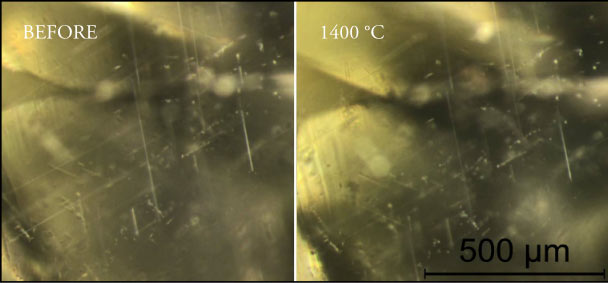
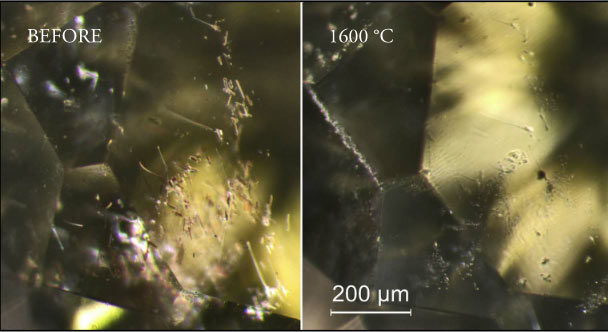
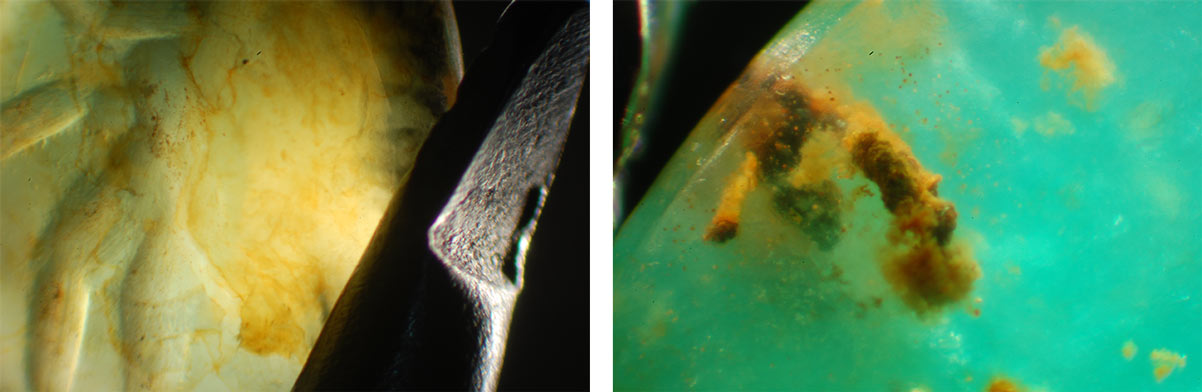
Figure 2 – Crucial issues of treatment determination: low temperature heating of sapphires is still problematic. (Photos: Thomas Hainschwang)
Recognizing diamonds with colors caused by irradiation, a process that removes atoms from the diamond lattice and creates color centers, is the most challenging. After annealing, the most common colors are greenish-blue, yellow, orange, brown, pink, and black. The characteristics of the synthetic diamonds are hidden by this type of treatment. The natural irradiation, mainly through gamma rays, produces the same colors and defects as what we see in diamonds treated with electrons and neutrons. The GGTL lab found significant amounts of HPHT, and less commonly CVD, among natural diamonds in nearly all yellow to orange lots submitted for testing. Many of the gems that were previously certified as natural color diamonds are now being reclassified as indeterminate or having been treated upon their return to the labs. Despite unverified claims by some research groups, it’s currently impossible to determine the geographic origin of diamonds.
Brendan Laurs (Journal of Gemmology, Gem-A), “Important Gemological Developments of the Past Decade”
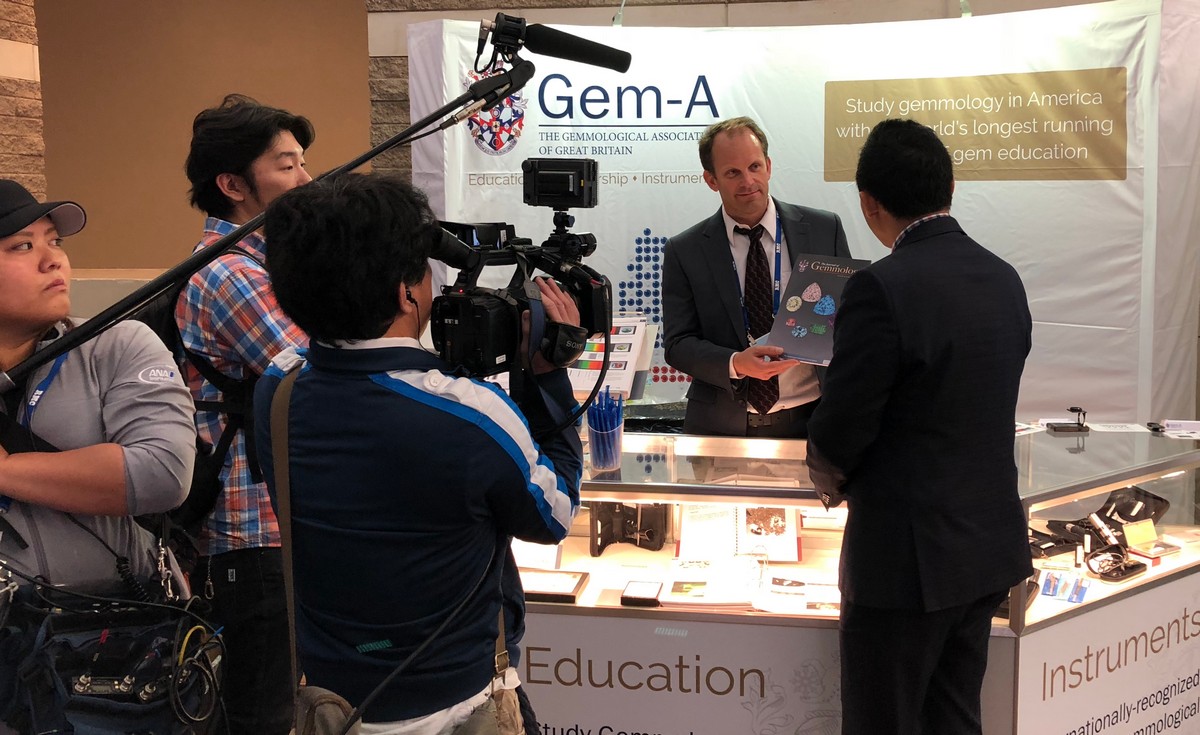
Brendan Laurs, editor of “The Journal of Gemmology” for the Gemmological Association of Great Britain (Gem-A), and a former member of editorial staff at GIA, conducted a review of the recent developments in gemological research in light of the articles by renowned authors (T. Hainschwang, F. Notari, L. Kiefert, R. Hughes, E. Fritsch, M. Krzemnicky, just to name but a few) published in the Journal that he has edited since 2013. The development of instrumental and analytical techniques has fostered research advancement, including chemical analysis techniques such as LA-ICP-MS and LIBS, machine learning and artificial intelligence, color measurement and chromaticity studies, further applications of Raman spectroscopy, portable instrumentation (particularly important for the identification of precious stones in cultural heritage collections in the field), luminescence imaging and spectroscopy, and DNA fingerprints of pearl, coral, and ivory.
The review began with the topic of synthetic diamond mixing with natural diamond melee-sized parcels. Identification can be done through UV luminescence color texture, extinction patterns between cross-polarizers, and PL spectroscopy. The last decade has witnessed the development of research on the origin of color and the detection of the color treatment of diamonds. Several diamond verification devices have been developed, including high-priced screeners that indicate natural diamonds or the so-called “refer” for further testing, as well as testers designed to identify the origin of diamonds (whether synthetic, natural, or simulant). Determining the geographic origin of diamonds is difficult, although there has been a significant increase in studies focused on their geological origin. Studies on diamonds of type IIa and IIb have been of particular interest.
Regarding sapphires, the articles published by the magazine focused on the possibility of determining their geographic origin based on age dating of co-genetic inclusions. Surface zircon analysis by LA-ICP-MS provides quasi-nondestructive U-Pb age dating.
This publication review also investigated the unstable coloration of pink Padparadscha, orange, and yellow sapphires typically found in Bemainty (but also in Sri Lanka and Myanmar). The yellow component in sapphires is usually stable, but it may become unstable for unknown reasons due to the naturally occurring Mg2+-related trapped hole center. Without the active color center, there is no contribution to yellow coloration, which can be activated by exposure to UV radiation and then returned to its inactive state by exposure to daylight for several weeks or gentle heating.
Microscopic observation of inclusions, FTIR spectroscopy, and Raman analysis of calcite and spinel inclusions, as well as epigenetic iron stains transition, provide evidence to detect low temperature heat treatment of rubies and sapphires.
The geographic origin of gemstones has been studied based on their geological characteristics. Blue sapphires can be distinguished between metamorphic and basalt-related, and their country of origin can sometimes be determined using UV-Vis-NIR spectra, trace elements such as Ga, Fe, Mg, Ti, V, and internal features. Rubies are distinguished between those marble hosted with low Fe content (Myanmar, Vietnam, Tajikistan, Afghanistan) and those with high Fe content (Mozambique, Madagascar, Cambodia, Thailand) through trace elements such as Ga, Fe, Mg, Ti, V, and internal features. Emeralds are distinguished between those of hydrothermal/metamorphic origin (Colombia, Afghanistan, China) and those schist-hosted of magmatic origin (Zambia, Russia, Ethiopia, Brazil) using UV-Vis-NIR spectra, trace elements such as Li, K, Fe, Rb, Cs, and internal features. The origin of Cu-bearing tourmaline (Paraiba) from countries such as Brazil, Nigeria, and Mozambique is determined through the analysis of trace elements such as Cu, Zn, Ga, Sr, Sn, Pb.
Photochromism is caused by exposure to UV wavelengths that are sometimes extended by X-rays. This reversible change of color is visible in gems like sodalite (hackmanite), scapolite (marialite), tugtupite, spodumene (kunzite), diopside, zircon, diamonds (e.g. chameleon), and corundum (sapphire), probably due to sulfuric-based polyanions. In-depth investigations of the history of ruby deposits in Myanmar and Vietnam have been carried out to study trapiche gemstones.
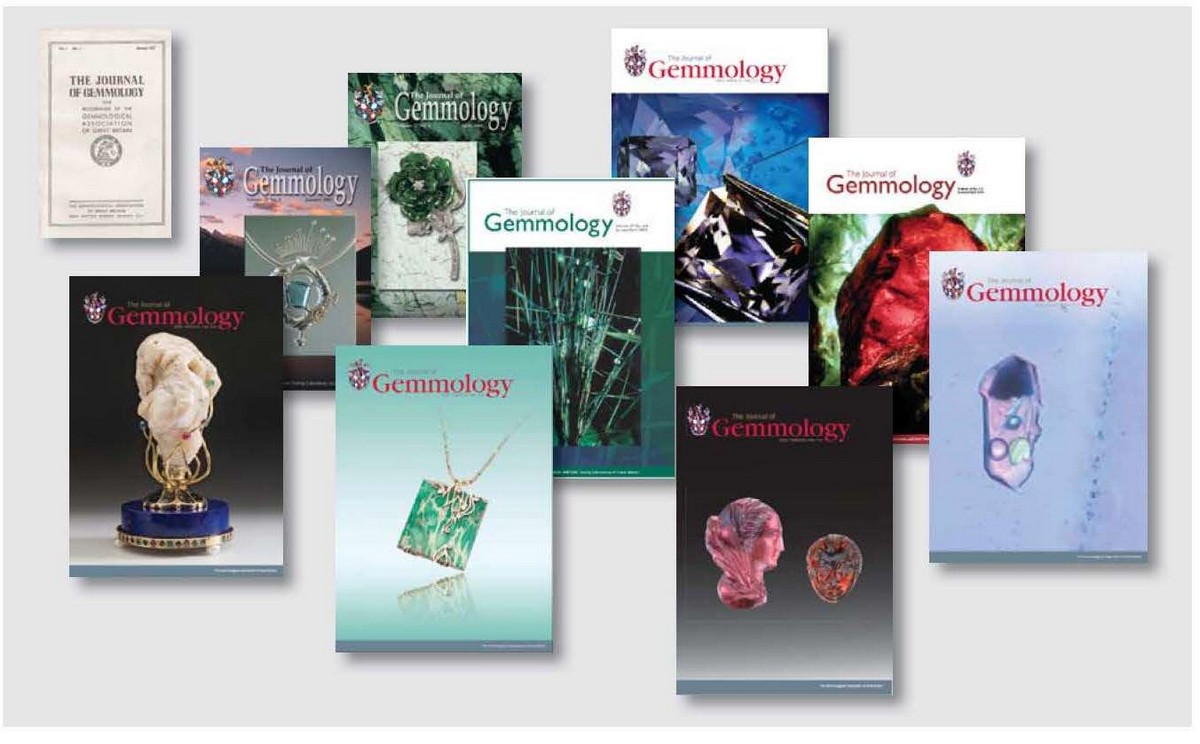
The Journal of Gemmology has also provided descriptions of significant emerald deposits near Chitral in north-west Pakistan, Panjshir in Afghanistan, and Musakashi in Zambia that may be difficult to distinguish from each other. Additionally, new materials available on the market were investigated, such as the daylight-fluorescent Mexican hyalite opal, whose luminescence is due to the Uranyc molecule (UO2)2+, the pink-orange euclase from Bahia, Brazil, first reported to have only colorless, blue, green, and yellow varieties until a 2018 discovery, and the laurentthomasite from Tuléar, Madagascar, which is a new IMA-approved member of milarite (KMg2AlBe4Si12O30). The Gem-A’s magazine also reported on the new ruby discoveries in Greenland, mostly cabochon grade, that require heat treatment with borax to cure their frequent fractures, as well as the discovery of rubies in 2009 in Montepuez and Mavago, Mozambique. These sources are considered to be the most prolific mining sites in the world and are being exploited by two major mining companies, Gemfields and Fura. In June, Fura set a world record sale of $34.8 million for Estrela the Fura, a ruby weighing 55.22 carats. The list of new findings also includes several Ethiopian gemstones, such as aquamarine in 2012 and emerald in 2016, both from the Shakiso region. There was also a discovery of sunstone labradorite-bytownite from the Afar region in 2015, tsavorite in 2017, and spessartine in 2019, both from unspecified locations, chrome diopside from the Oromia region in 2018. Tourmaline has been found in 2016 (Numbi) and 2018 (Masisi) in the DRC. Other new findings include amethyst in Rwanda in 2015, grandidierite from Tuléar Province, Madagascar in 2015, highly profitable peridot from Jilin Province, China in 2015, blue and pink sapphires from Bemainty, Madagascar in 2017, purple spinel in 2017, and pink diaspore in 2020, both from Afghanistan. Lastly, cobalt-bearing spinel was discovered in Mahenge, Tanzania, in 2021.
Loredana Prosperi (Istituto Gemmologico Italiano), “1988–2023: 35 years of gemmology, the testimony of a gemmologist”
The central theme of the presentation was the evolution of gemological laboratory management from 1988, when the speaker began her career, to the present day. The journey spanned several eras, beginning with the primitive equipment used, to the present day, characterized by the revolutionary introduction of state-of-the-art instrumentation.
It is no secret that in many situations the use of the microscope alone is not sufficient to provide concrete data on the treatments applied and/or the synthetic origin of the materials being studied. As Laboratory Manager, Loredana Prosperi emphasized the crucial importance of using advanced analytical techniques, such as Raman spectroscopy, ultraviolet-visible infrared spectroscopy (UV-VIS-NIR), FTIR spectroscopy, and others, to overcome these inherent challenges and provide professionals in the field with increasingly definitive and indisputable information. This concentrated effort to apply state-of-the-art analytical methods not only improves the reliability of any assessment made with respect to the treatment and identification of gemstones, but also decisively addresses the increasingly pressing issue of material provenance, a topic of growing importance in the field of contemporary gemology.
Gioacchino Tempesta (University of Bari Aldo Moro), “Portable LIBS and Raman spectroscopy: what is the contributions to gemstone hunting?”
The presentation delved into the intricate details of how LIBS (Laser-Induced Breakdown Spectroscopy) and Raman spectroscopy, both of them in their portable applications, play a pivotal role in the realm of gemstone research and identification. These cutting-edge analytical techniques offer a captivating glimpse into how modern technology can enhance the field of gemology, benefiting professionals throughout the industry.
Portable instruments based on LIBS and Raman have garnered recognition as indispensable tools for the identification and characterization of minerals. They provide invaluable insights into the chemical composition and crystal structure of gemstones, facilitating on-site analysis in the field or at mining sites. This portability significantly reduces the need to handle delicate and costly samples, minimising the risks involved. Moreover, LIBS and Raman not only aid in gemstone identification but also contribute to enriching global scientific resources by enhancing spectral libraries and chemical data pertaining to these precious gems. Additionally, these technologies can play a pivotal role in the discovery of new species or rare minerals in gem-rich mining regions, potentially bringing substantial benefits to local communities and advancing the field of mining science.
Some distinctions to be made: dislocations from Rose channels, epigenetic manganese inclusions from bacterial ones in quartz
Hollow inclusions in diamonds, danburite, and spodumene, as well as in sapphires, can be deceptive. To identify them, it’s essential to be able to characterize the phenomena of dissolved dislocations and Rose channels, just as in quartz, one can differentiate between organic and mineral dendrites.
Emmanuel Fritsch (University of Nantes), “Hollow inclusions in gems: dissolved dislocations and Rose channels”
The presentation shed light on two distinct types of hollow inclusions commonly found in gemstones: “dissolved dislocations” and “Rose channels”.
Dislocations are crystalline defects that arise from the alteration of the crystal structure along a specific axis. These defects can take various forms, including “edge” dislocations which originate from the insertion of an additional atomic plane into the crystal’s core, causing a distortion in the surrounding atomic planes. In situations where sufficient force is applied to one side of the crystal, the additional plane interacts with the pre-existing atomic planes, breaking and reconnecting them until reaching the crystal’s edge. Additionally, during the crystal growth process, a “screw dislocation” can manifest, caused by shear stresses that lead to the spiral-like winding of lattice planes along the dislocation axis, resulting in a spiral ramp-like structure. In some cases, “mixed dislocations” can coexist, representing a combined interaction of the two aforementioned types.
These dislocations often lead to structural compromise and dissolution of the crystal, a phenomenon commonly observed in minerals such as diamond, danburite, and spodumene. The identification of these inclusions is based on their surface exposure, internal cavities, and the characteristic elongated and slender shape, sometimes with folds or twists, which can generate curved or intricate lattice structures.
In a limited category of materials, including some metals, calcite, and diamond, another peculiar phenomenon known as “Rose channels” emerges. During crystallization, two or more crystals grow together from the same solution, either perfectly overlapping or with a specular arrangement. Within a twinned crystal, twin lamellae are regions of the crystal that share a common crystallographic orientation but develop in different positions. When these twin lamellae grow and intersect, they can form hollow channels within the crystal. Rose channels commonly exhibit a rhombic shape, are hollow, and develop linearly.
| Dissolved dislocations | Rose Channels |
| Outcrop is lozangic to round | Outcrop is lozangic |
| Straight but often curved or kinked, with possibility of loops, networks, forks |
Always straight |
| Tapered by nature | Always constant section |
| Anywhere in the crystal | At the intersection of two families of twin lamellae |
| In many gem species, at least twenty | Only so far in diamond, corundum and calcite |
Table 1 – A summary table of features related to dissolved dislocations and Rose Channels, based on Emmanuel Fritsch’s talk.
In conclusion, the main differences between dissolved dislocations and Rose channels pertain to their origin, structure, and appearance. Dissolved dislocations are generated along crystal dislocations, causing erosion of the crystal along their path, while Rose channels form when twin lamellae overlap, creating hollow channels within the crystal. These differences are clearly reflected in the appearance of the inclusions: dissolved dislocations are often curved and contorted, while Rose channels are straight and rhombic in shape.
Marco Campos-Venuti (Science Communicator and geologist), “Bacterial origin of epigenetic dendrites included in quartz”
IGR offered a review of a recent publication by Marco Campos-Venuti. The presentation intended to follow the book and was focused on a new interpretation of the origin of manganese dendrites. According to Campos-Venuti, a dendrite and a bacterial colony are morphologically very similar. In an attempt to prove that the dendrites are of organic origin, the geometries of the bacterial colonies were compared with those of some quartz from Brazil. The inclusions found in these quartzes seem to be very similar to the development of bacterial colonies. The geologist concludes that there has been a confusion of terminology that should be revised.
Characterizations: Paraiba and other tourmalines, tanzanite, imperial topaz, Laurentthomasite
Presentations ranged from first-hand experience of the Mozambican Paraiba mining field to the green “leek” tourmaline, from the causes of tanzanite color to the question of imperial topaz as a possible new variety, to the “new” Laurentthomasite. What are the factors that make some gems desirable and therefore valuable? The contributions provide answers and highlighting factors such as colour change, the geological conditions of the mining area, and the practicalities of scientifically distinguishing and separating gem varieties that are recognised as valuable by the trade.
Federico Pezzotta (Museum of Natural History, Milan), “Paraiba and cuprian tourmalines from Mavuco, Alto Ligonia, Mozambique”
The presentation focused on the exploration and development of copper-bearing tourmaline deposits located in the Mavuco and Maraca areas of Mozambique, situated one hundred kilometers off the country’s eastern coastline.
Contrary to earlier assumptions that the deposit was of alluvial origin, closer examination of the hydrographic network revealed its residual, metamorphic nature. This geological area lies within the East African chain and is characterized by differential erosion, resulting in distinct types of rocks such as migmatites, schists, gneisses, amphibolites, and marble shales, alongside accumulations of granite.
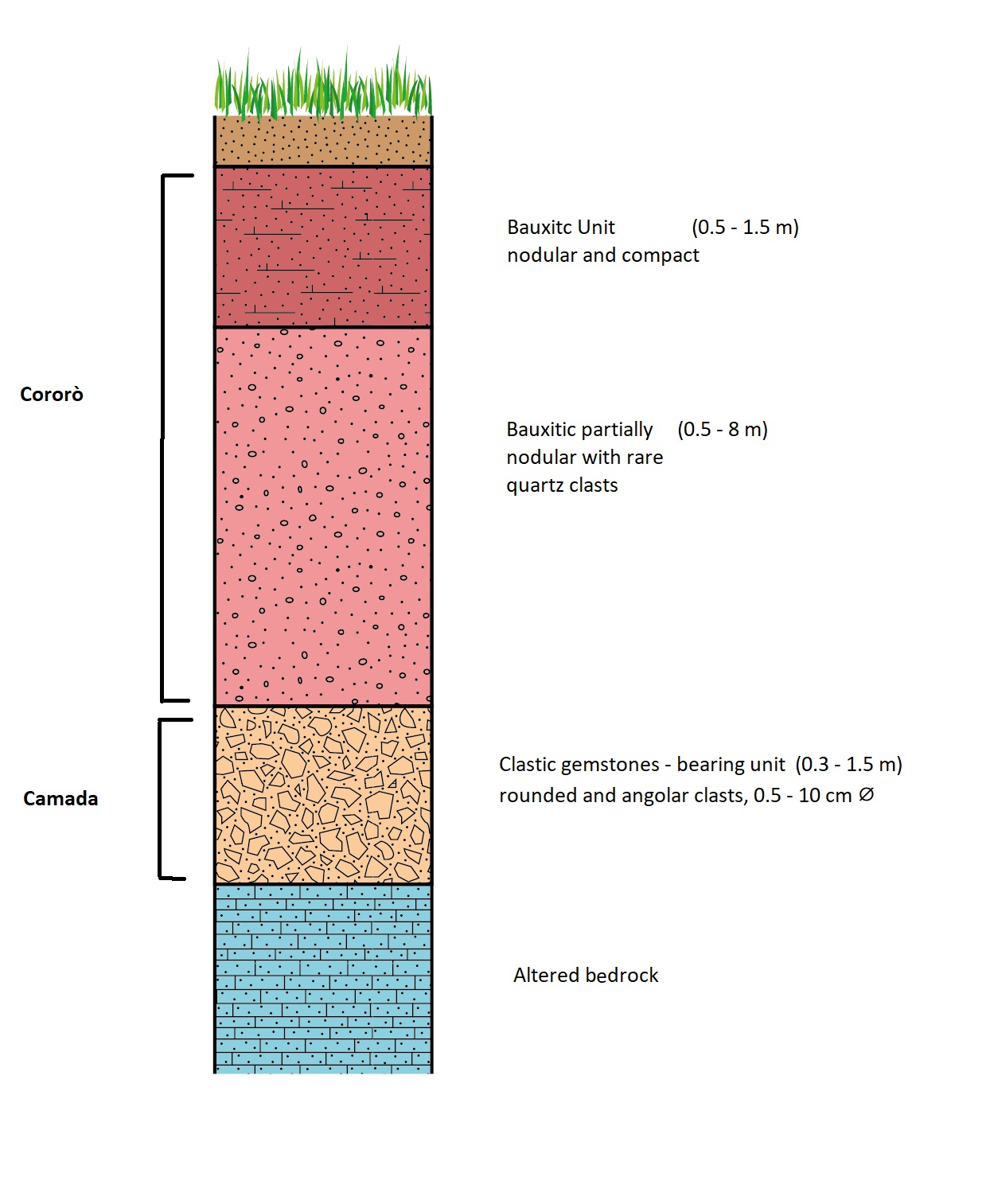
The steady erosion process over millions of years within this region has given rise to a stable erosive plane, facilitating the release of numerous pegmatitic veins containing quartz and precious gemstones. The northern portion of the Maraca deposit has been fully exploited, while the southern section still shows promising potential. The deposit’s soil composition includes a superficial bauxitic layer that is part of the “Cororó” layer. Beneath this lies the “Camada” layer, where gem quality material is found through horizontal excavation at depths ranging from 2 to 10 meters. Further down lies the bedrock, now more easily mappable after removing the gem-rich deeper layer.
The bedrock is rich in copper minerals like malachite, and it hosts a pegmatitic vein containing various gemstones such as aquamarine, amazonite, lepidolite, morganite, and potassic feldspar (moonstone). Additionally, this deeper layer contains iron-rich tourmalines that differ from the copper-rich ones present in the upper layers.
The “Camada” layer is accessible to illegal miners using easy methods, but this often leads to dangerous collapses and loss of life. In contrast, industrial mining can process up to 500 tons of material daily. After thorough washing, only a modest amount of tourmaline crystals — ranging from 200 to 300 grams — are suitable for use in the gem-cutting industry. The occurrence of cuprian tourmalines is even scarcer, contributing to the elevated market price of Paraiba tourmalines. These gemstones exhibit a variety of colors and are commonly subjected to heat treatment by manufacturers to achieve the desired hues. However, this practice raises questions in gemology regarding which material can be properly referred to as “Paraiba”.
Alessandra Altieri (Department of Earth Sciences, Sapienza University of Rome) “Tourmaline: the rainbow-like gemstone”
Tourmaline is the most important borosilicate on Earth. This gemstone owes its beauty and wide variety of colors to an incredibly complex crystal-chemical structure characterized by seven crystallographic sites that can host a wide range of elements, from the lightest such as hydrogen to lead, in different oxidation states.
The presentation explored the formation process of gem quality tourmalines and how specific geological and geochemical conditions are required to produce each of the different colors. Specifically, three case studies were presented, one of which led to the discovery of a very rare variety of tourmaline called “leek green”, found in only two locations in the world: Elba Island and the Deo Darrah mine in Afghanistan.
Leek Green owes its distinctive light green hue to the presence of manganese (Mn2+) and its interaction with titanium (Ti). What makes this variety unique is the complete absence of iron, despite the color. The formation of this tourmaline requires specific geological conditions, including enrichment in manganese and impoverishment in iron in the pegmatitic fluid with a high concentration of boron.
Gabriele Giuli (University of Camerino), “An EPR and XAS study on the cause of colour in tanzanite, the V-rich variety of zoisite”
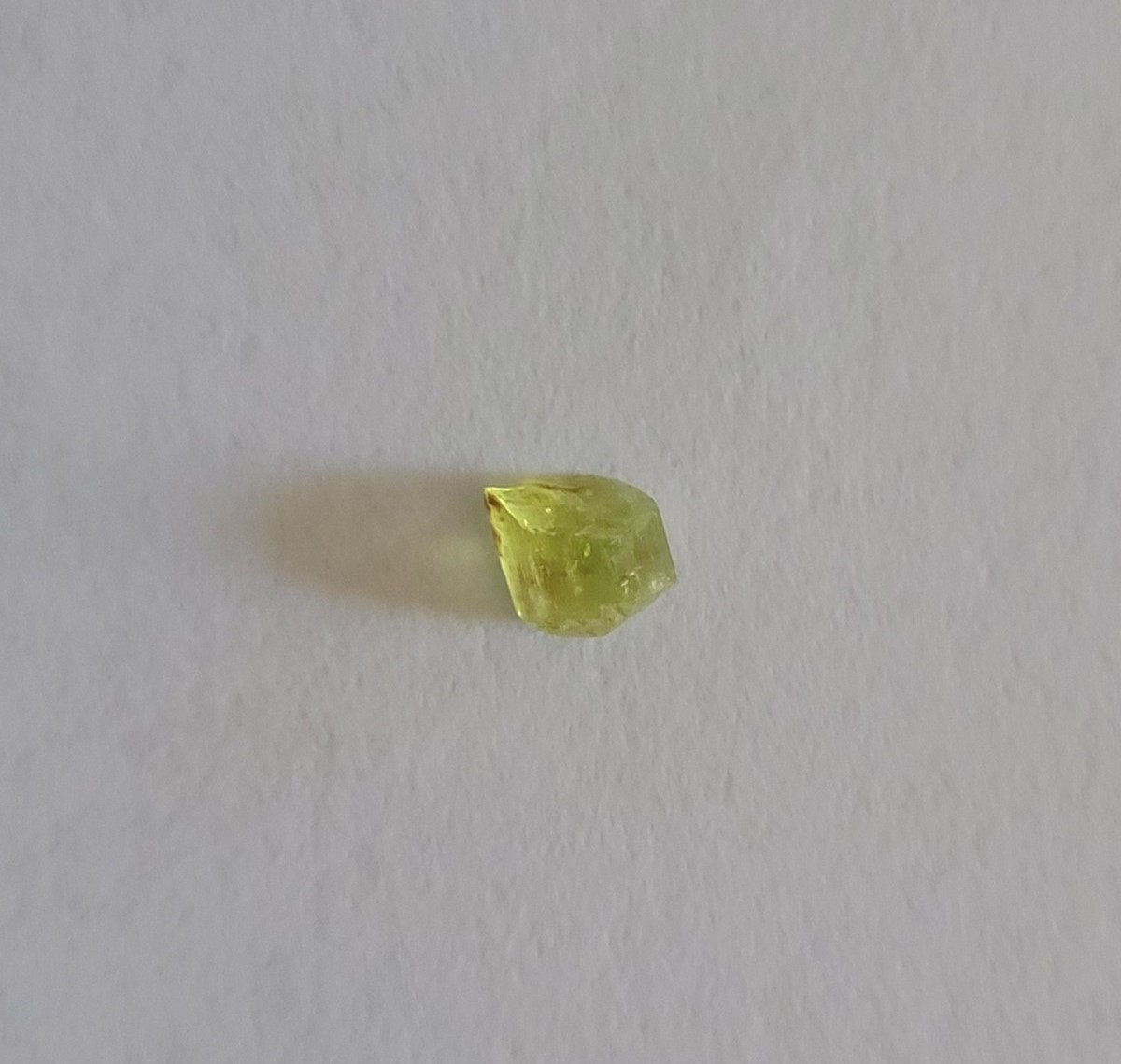
The mechanisms responsible for the colour of tanzanite are complex and not easily explained. The study analyzed specimens from the Merelani area, where tanzanite crystals are mainly found in ashlar veins and typically occur with graphite, diopside, grossular, quartz, plagioclase, calcite, mineral clay and, to a lesser extent, emerite and sphene. The evaluation of oxidation states and changes resulting from the heating process was conducted using X-ray absorption spectroscopy (XAS) and Electron Paramagnetic Resonance (EPR) investigations. The study found that the primary chromophore agents responsible for the color in tanzanite are vanadium and iron (V3+ and Fe3+), but EPR analysis revealed that V4+ and V2+ also play a minor role in the coloration process. The data analyzed in the study pertained to tanzanite samples subjected to heating. Colorless and pink samples did not change color, while yellow and green samples became blue, and blue samples remained the same.
Nicola Precisvalle (University of Ferrara), “Imperial topaz, from commercial name to new gemmological variety: a new definition for chromium bearing topaz?”
This presentation included the analysis of selected Imperial Topaz specimens from the University of Ferrara collection by means of various analytical techniques such as single crystal X-ray diffraction, ICP-MS-LA, photoluminescence and UV-Vis-IR. The study compared the results with data from other topazes to evaluate whether the ‘imperials topaz’, those from the universally known site of Ouro Preto in Brazil along with others from Pakistan, can be classified as a distinct gemological variety.

Significant differences in chromium content were observed, ranging from 0.56 to 402.54 ppm. These findings were further supported by statistical MDS analysis of trace elements. In terms of geochemistry, a relationship between chromium and vanadium values reveals a clear distinction between “normal” and “imperial” topazes. The characterization is more than just a description as it opens up an issue with significant commercial implications. For example, the Paraiba variety of the Elbaite species has received a special designation in gemological reports, emphasising its rarity and desirability on the market. The distinctive characteristics identified for this beautiful topaz are sufficient in themselves to make the term “Imperial Topaz” a gemological variety in its own right, and thus something more than a commercial term as in the case of Paraiba Tourmaline.
Danilo Bersani (Department of Physics and Earth Sciences, University of Parma), “Tanzanite and other sorosilicates in gemology: Raman characterization”
The speaker presented a Raman characterization of the sorosilicate family, which consists of minerals formed by pairs of tetrahedra of SiO4. The focus of the presentation was on tanzanite, a blue-violet variety of zoisite. The color of tanzanite is due to the substitution of vanadium for aluminum at octahedral sites. In most cases, to obtain this coloration, samples are heated to around 500 degrees for about ten minutes.
The work in question examined tanzanites from the Merelani mines in Tanzania. The research group was able to differentiate photoluminescence bands from Raman signals using different excitation wavelengths, thus identifying rare earths (REE) likely associated with the genesis of the mineral. In addition, the aim was to investigate orientation effects to explain the spectral variability, which could be done using small instruments that are easy to use on the ground.
At the end of the talk, Professor Bersani shared the results of the work on some samples of the clinozoisite-epidote series. The two extremes of the clinozoisite-epidote range can be distinguished and identified with a simple Raman spectroscopic analysis that takes only a few seconds.
Isabella Pignatelli (Department of Georisources, University of Lorraine), “Laurentthomasite: a new dichroic gem”
Work reports were presented on Laurentthomasite, a new mineral belonging to the Milarite group. It was discovered in 2018 in southern Madagascar. The gemstone is proving to be very marketable due to its dichroism, from blue to green. This is due to the charge transfer of Fe2+ and Fe3+ ions, located in the octahedral and tetrahedral sites of the structure, respectively. Some unpublished data of high gemmological interest have been revealed: the two-phase (gas and liquid) inclusions of laurentthomasite have been found to be CO2, while the solid brown inclusions are minerals that can most likely be identified as hibbingite, although this assumption has yet to be confirmed. Thermogravimetric tests have also shown the presence of water within the lattice. The next research will therefore focus on quantifying the water content and finding out where the water is located within the crystal lattice.
Natural diamonds to unravel the mysteries of the past and synthetic diamonds to glimpse the future
Diamonds, along with their inclusions, offer insights into our planet’s evolution. However, the true determinant of the direction the gem industry will take lies in the technical advancements in synthetic diamond production and the ensuing impact on the market.
Fabrizio Nestola (Department of Geosciences, University of Padua), “Super-deep diamonds: at which depth do they form?”
Professor Nestola continues his journey to explore super-deep diamonds, pondering their formation depths. To address this fundamental question, the research team has focused on analyzing the most characteristic inclusions found in high-depth diamonds, specifically ferropericlase [(Mg,Fe)O]. Fabrizio Nestola emphasized that it would be more accurate to refer to this mineral as periclase when magnesium is the predominant element or as wüstite when iron prevails. In general, the predominant inclusions contain a magnesium content ranging from 0.9 to 0.8, although in some samples, periclase with iron contents as low as 0.49 has been observed. This raises a question about the relationship between magnesium-rich and magnesium-poor periclase within the diamond.
Through the study of 57 periclase inclusions within 37 diamonds from Brazil and Guinea, the group identified the orientation of individual crystals using X-ray diffraction. The analysis concluded that low-iron periclase shares the same orientation as the diamond, indicating they must have formed together in the upper mantle. Conversely, magnesium-rich periclase is randomly oriented relative to the diamond, making them protogenetic and belonging to the lower mantle.
Furthermore, thanks to the study of a ferropericlase inclusion in a diamond provided by GIA, Professor Nestola’s team was able to determine the depth at which the diamond formed using elastic geobarometry. They calculated the cell volume of the periclase inclusion before and after liberating it from the diamond. The difference between these two data points allowed them to calculate the residual pressure, from which they could extrapolate the depth at which the particular diamond formed, estimated to be around 660 kilometers.
![Inclusione di “ferropericlasio” [(Mg,Fe)O], minerale fondamentale per lo studio dei diamanti di elevata profondità.](https://www.rivistaitalianadigemmologia.com/wp-content/uploads/2023/11/Ferropericlasio-optimized.jpg)
The presentation drew the public’s attention to the entrepreneurial journey of an Italian company that was among the pioneers in the marketing of synthetic diamonds. The consistent theme in the evolution of the impact of these gems on the market lies in the rapid pace of change. In 1997, only a limited number of pre-cut pieces were available, priced at twice the rate of natural diamonds. These synthetic diamonds were produced in Russia using the HPHT process and exhibited noticeable inclusions. This phase was succeeded by a more challenging period of consolidation, characterized by a select few dominant players, before witnessing a surge in production and market penetration.
Today, the industry produces between 6 and 7 million carats, with a projection of achieving sales worth $49 billion by 2030. Nevertheless, lurking on the horizon are several concerns: the ethical marketing of lab-grown diamonds fails to withstand scrutiny, and the relentless decline in prices poses an enduring challenge. Furthermore, the risk of cannibalization threatens to erode the natural diamond market.
Giulia Marras (Sapienza University of Rome), “Innovative techniques for investigation and synthesis of diamonds”
Concerning innovative techniques for investigating diamond synthesis, the lecture introduced two particle accelerators capable of swift and noninvasive analysis. The first, known as Beamline 13-BM-D, seamlessly combines X-ray tomography and diffraction and is housed at the Argonne National Laboratory. The second is Beamline ID18, located at ESRF, which facilitates the measurement of iron’s oxidation state through Mossbauer spectroscopy.
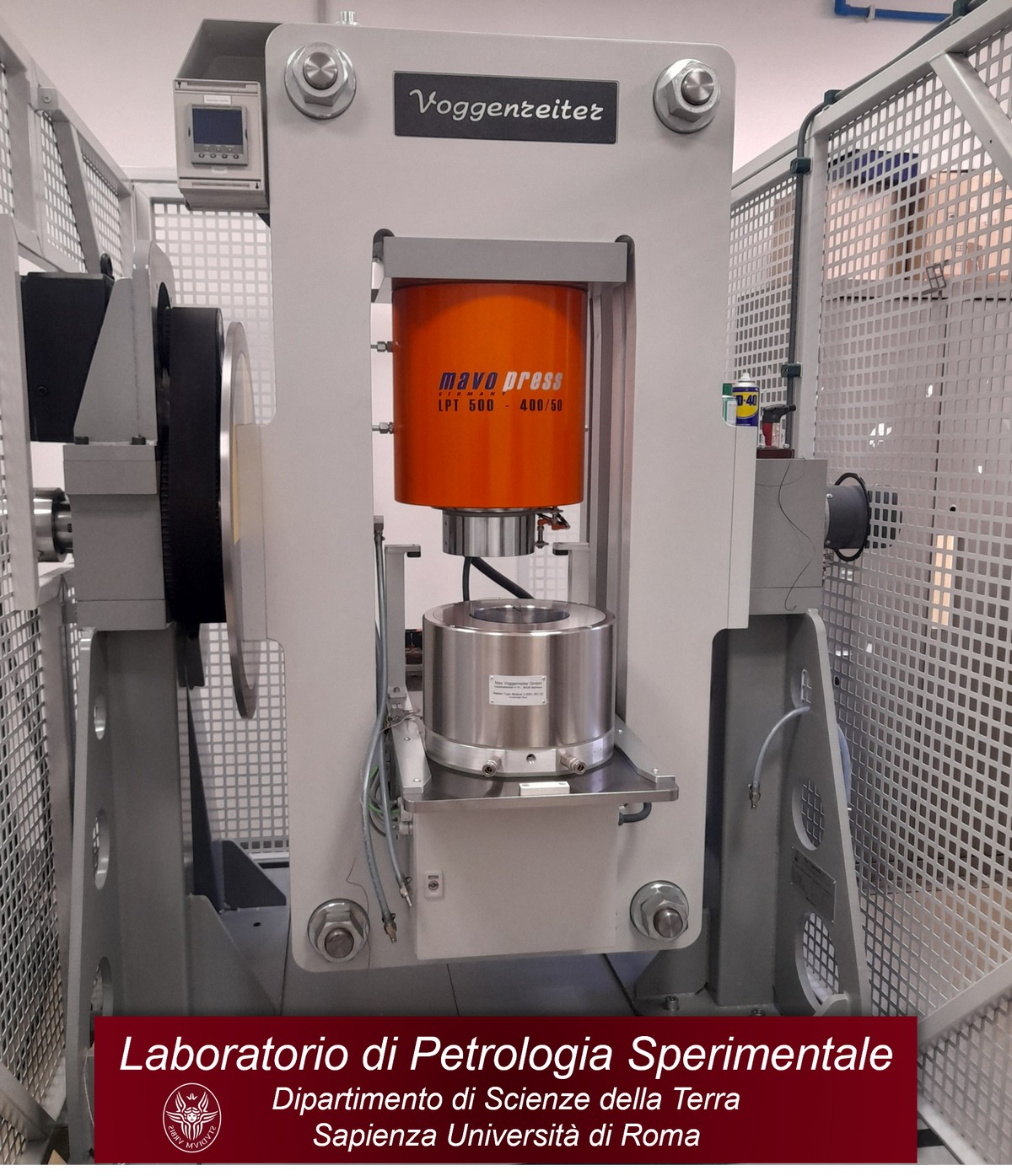
Moreover, as the experimental petrology laboratory at Sapienza University of Rome is actively engaged in replicating the physicochemical conditions of diamond formation, it has provided a unique opportunity to explore three distinct diamond synthesis methods within the laboratory:
- Direct HPHT. This technique exerts a pressure of 15 GPa and maintains a temperature of 2500 °C. Remarkably, the resulting diamond forms in a mere 20 minutes, employing a 6000-ton Multi-anvil press situated in Japan at GRC. The final product consists of nanodiamond aggregates spanning from 10 to 20 nanometers in size, distinguished by their considerable hardness, primarily employed in industrial applications.
- Indirect HPHT. In this approach, graphite powder is utilized in conjunction with a solvent, occasionally incorporating a diamond seed. Pressure levels fluctuate between 5 and 6 GPa, accompanied by temperatures ranging from 1300 to 1600 °C. This process typically necessitates one to two weeks for diamond production and is also practiced in the experimental petrology laboratory at Sapienza University.
- CVD (Chemical Vapor Deposition). This method operates at atmospheric pressure with relatively modest temperatures between 700 and 1300 °C. Carbon is deposited onto a diamond substrate utilizing a precursor gas such as methane.
Organic Gems: Coral Treatments and the State of the Pearl Market
The program included two presentations on organic gemstones. Coral is indeed a typical Italian gemstone, relevant for its specificity and without an extensive gemological literature. Pearls, on the other hand, represent a truly global industry, with record-breaking turnover.
Francesco Sequino (Gem-Tech, International Gemological Institute), “Coral Identification and Evaluation, Overview of Treatments and Provenance”
Francesco Sequino presented the results of a six-year study aimed at providing the industry with the tools needed to be able to identify the correct species so that a quality grading can take place. The study was based on the definitions and guidelines that have been published by CIBJO on many occasions.
The working group was open to student collaboration and examined an extensive collection of samples, some 2,500 rough and cut pieces, 450 of which were subjected to a series of treatments. In this way, changes in the surface and colouration due to enhancement were observed. Surface defects were assessed by reconstructing the process of oil and wax enhancement (the so-called “pignatiello”). Traders use to grade the quality according to the defects found (first quality, no defects; second or internetto, defects visible to the naked eye; third, many defects visible to the naked eye; factory quality, porous coral). Wax is useful for masking small holes, but the effect of colored polymeric fillers, which can also enhance color, is quite different. How can these fillers be detected? Spectrometry does not help: there are too many beads and areas to be probed. Ultraviolet illumination with the MAGILABS’s EXA fluorescence spectrometer probe is much more effective. This is how it was possible to reveal the filled surface more quickly and accurately. Raman spectroscopy is extremely effective in identifying coral that has been massively coated through epoxy casting (a treatment that can be equated to glass filling of rubies). This is a very invasive process that is not limited to filling small holes, but also allows poor and largely porous material to be turned in smooth and attractive beads. For gemologists not equipped with spectrophotometric instruments, it is possible to detect the latter treatment simply by exposing the pearl to high heat, as it will burn, releasing an intense plastic odor.
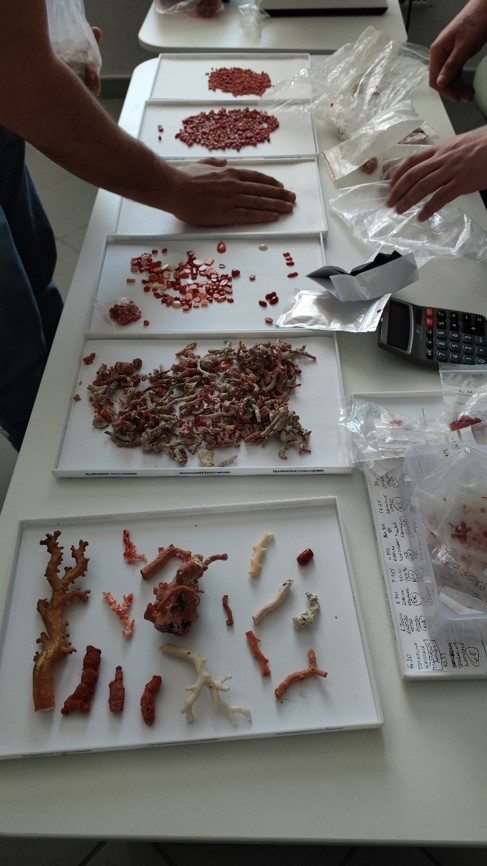
Examination of the samples also revealed that a limited number of rough small branches had been treated with 35 per cent nitrogen peroxide to enhance their color. Species identification is a final thorny issue. It is an impossible task to determine the species using Raman analysis, which gives identical spectra for all species examined. The team’s work has developed a new, more empirical and practical approach than the time-consuming and destructive DNA examination. This is based on the identification of the external characteristics of Pacific corals that specifically are the species that are embargoed in the United States due to CITES restrictions. In addition to the white core, it is the concentric spiral growth that in many cases allows the identification of Elatius and Secundum.
Piero De Stefano (Studio De Stefano Gemmologi Associati), “Pearls: news between science and market”
The world of pearls is dynamic and vibrant. There are thirty producing countries (including Mexico, Thailand, Sri Lanka, Malaysia, India and the Cook Islands). The leadership of China in terms of quantity (3,540 tonnes) and Japan in terms of value ($127 million) is confirmed. But like other gemstones, the world of pearls is constantly evolving. Perhaps less well known are the changes affecting the market for gemstones of organic origin.
The advent of freshwater pearl renucleation techniques — so-called “Edison” pearls — has led to an increase in the sizes available. Particularly in the case of coloured varieties, this leads to a number of identification problems. Technological developments have allowed experimentation with new nuclei, including a previously unseen organic material that expands in contact with water, allowing ever larger sizes to be achieved.
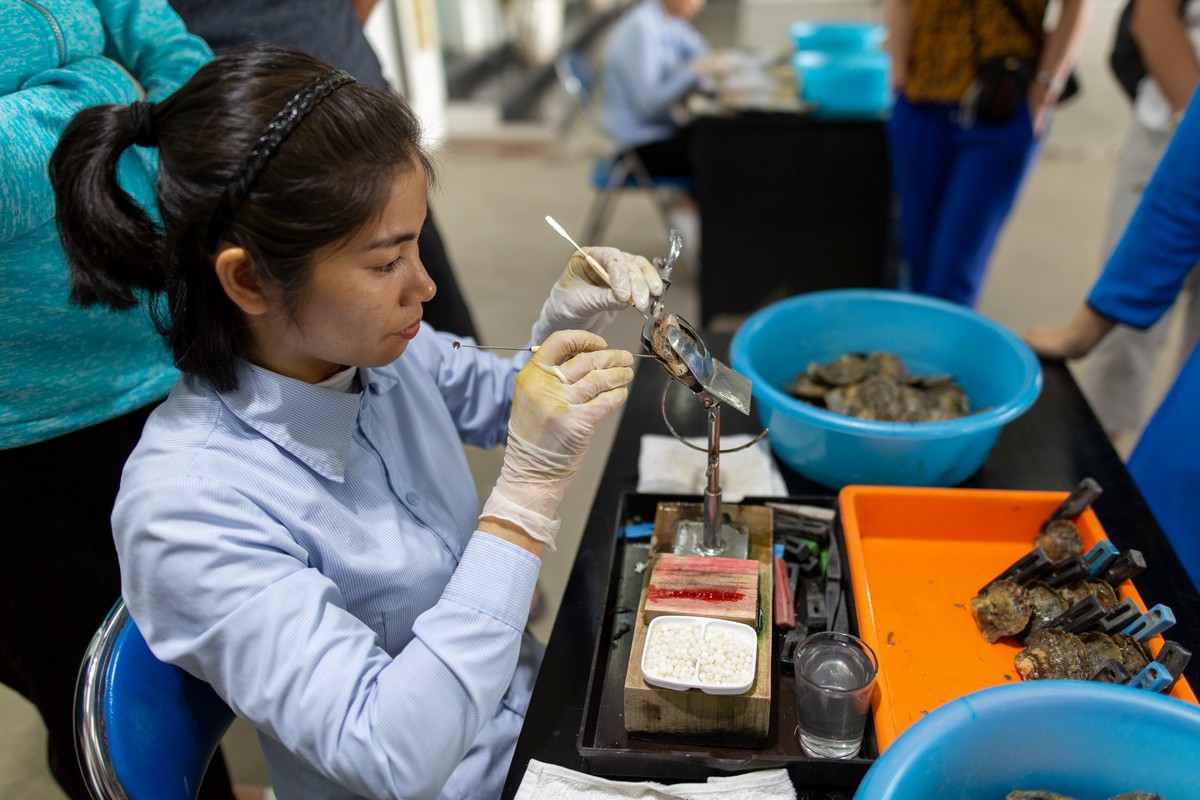
The issue of sustainability has also come to the fore in the last decade. Intensive pearl farming has depleted the balance of China’s lake environments, resulting in reduced production (down 60 per cent in the last decade). As a result, there is a trend towards price increases as better quality freshwater pearls offset the rising prices of Akoya and South Sea pearls. Another new challenge for gemologists is to identify pearls from genetically modified molluscs that improve longevity and nacre quality.
Identification of gemstones within historical collections and archaeogemology
Italy boasts an enviable heritage of historical jewelry that allows us to delve into various eras. Gemology plays a crucial role in identifying the characteristics of stones in these collections and, in conjunction with archaeology, in tracing the cultures of the civilizations that once produced them.
Maura Fugazzotto (University of Catania), “Gemstones from precious and historical liturgical ornaments in Sicily: a non-invasive chemical and mineralogical investigation”
The lecture follows the research on the nature of the gems set on the ecclesiastical gold objects in the Diocletian Museum of Catania and Caltagirone. This time the techniques used were XRF and Raman, and the gems turned out to be mostly emeralds, rubies, diamonds and quartz, although in some cases these stones were replaced by colored glass.
Marco Torelli (Masterstones), “Pope Leo XII, gemological photography and implications in the era of metaverse”
Marco Torelli offered a peculiar presentation, developed on two tracks: the preliminary results of a work on the historical-gemmological characterization of a green iridescent diamond ring in the possession of the Sapienza University’s Museum, together with some explanatory remarks on the advanced photographic techniques used to represent it.
Pope Leo XII, a passionate lover and patron of the arts, donated such an artifact in 1824. This ring consists of an old mine cut diamond of about 2 carats (type IaAB, the peak at 503 nm reveals a structural defect responsible for the green luminescence) on a malachite base, surrounded by 24 rubies (9 of which are actually spinels). According to the historian and gemologist Francesca Fortunato, the volume of the gemstone seems to recall the shape of a baptismal font, specifically the octagonal shape of the font in the Vatican Gardens. In this view, even the diamond, with its iridescent green color, takes on the meaning of the transformation of life after the celebration of the sacrament.
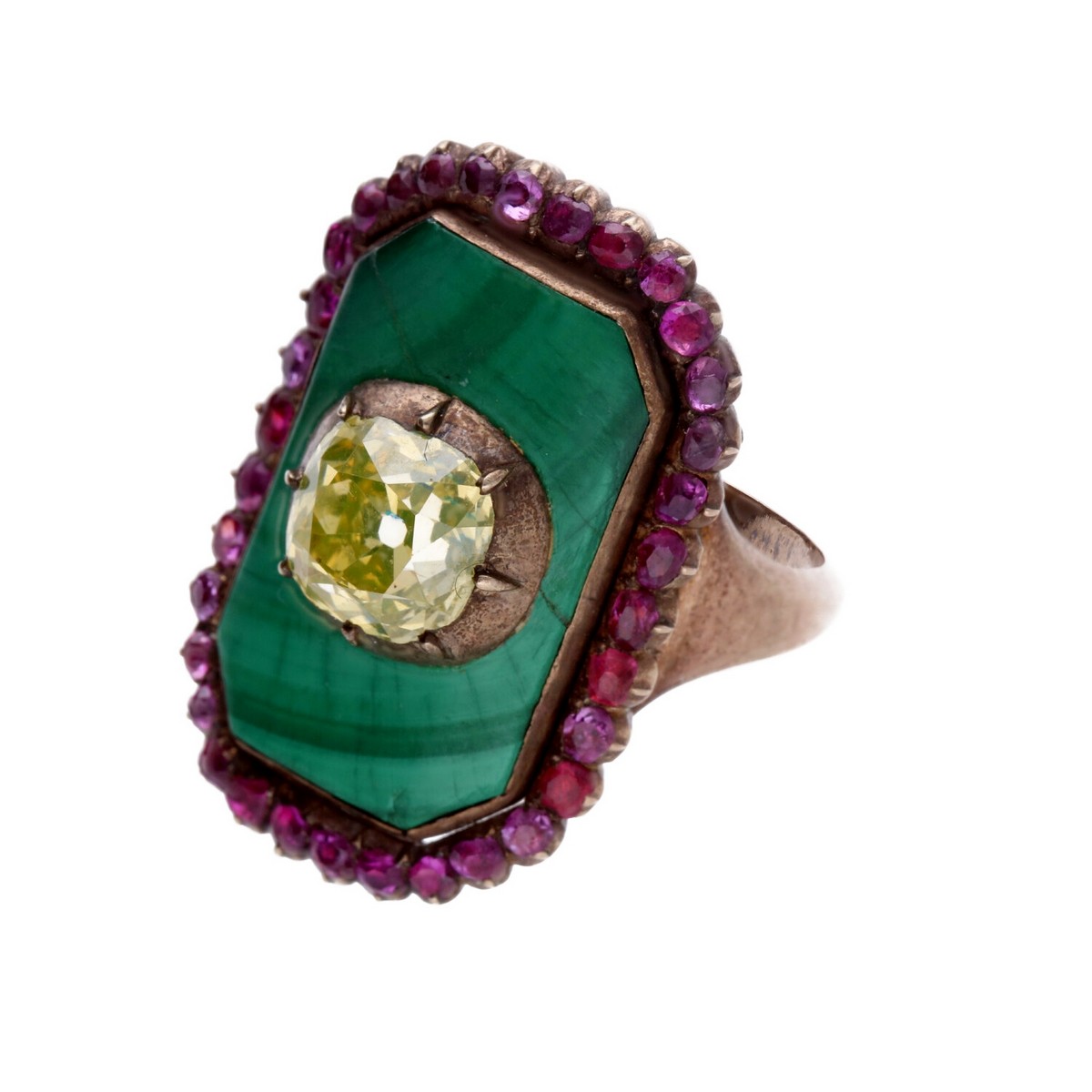
Photographing such a remarkable object, with such fine details, is as complex a task as the reconstruction and cultural-historical framing. Focus (i.e., the choice of the so-called circles of confusion to be highlighted) and distance from the object, i.e., the choice of depth of field (the one with the greatest focus) are the decisive elements for a successful shot. Stacking, the superimposition of several images with different focus, processed by post-production software, comes to the rescue to optimize the result.
The interesting perspective of this contribution will surely be taken up in a very original work that Torelli is carrying out together with Prof. Stagno and Macrí, and that IGR will surely publish in the future.
Flavio Butini (IGN Roma, International Gemological Institute), “Prase, The Emperors’ Emerald”
Flavio Butini has traced the history of prasio, a green chromium-bearing chalcedony (so classified by Lisbet Thoresen in 2008), which is frequently mentioned in gemmologically interesting texts from antiquity. He has used the tools of archaeo-gemmological research that he is familiar with. Theophrastus and Pliny list prasio as one of the most precious green gemstones, along with emerald, and finds in museum collections testify to the widespread use of prasio as a gemstone suitable for engraving, from the 6th century BC to the 3rd century AD.
The value attributed to prasio by the ancients is evidenced by the fact that it was used to depict prominent personalities: the emperors Tiberius, Claudius and Alexander the Great himself were immortalised in cameos made from this stone, as were female figures who marked the history of Rome, such as Agrippina and Julia.
The studies carried out on some of these artefacts, as well as on many others in the private Butini collection, revealed a convergence of data (I.R. 1.525–1.538; density 2.58–2.64; inert fluorescence, from red to pink in the Chelsea filter; typical zoning and inclusions of manganese oxide and quartz). Furthermore, the results of the EDXRF analysis suggest that the main source of this chrome-bearing green chalcedony in was a specific one. This is most likely Cyprus. And this confirms what Plinius had already suggested.
The reshaping of the gem and jewelry industry. The case of Valenza
Alessia Crivelli (Mani Intelligenti Foundation), “Valenza and its ‘intelligent hands’”
Due to an unforeseen circumstance that prevented the speaker from reaching the conference, the presentation was delivered by Rocco Gay, who is also a member of the Foundation. Mani Intelligenti (Intelligent Hands) is a project carried out in the Valenza area, a jewellery centre that has been constantly developing over the last decade. One of Italy’s jewellery capitals, Valenza has evolved from its original artisan tradition into an industrial district. The most striking example is the Bulgari factory, which plans to double its workforce by 2028 from the current 710, making it the largest jewellery factory in the world. Cartier, the LVMH group and other major companies are also expanding their activities in the Valenza area.
The Fondazione Mani Intelligenti (Intelligent Hands Foundation) aims to facilitate the development of the production network, taking into account the many weaknesses that could have a negative impact. The infrastructure and logistics required to support the expansion of production in Valenza are insufficient. In particular, there is scarce labour replacement and a lack of figures with jewellers’ know-how. Mani intelligenti’s main task is to promote the creation of a receptive network that can train young workers through cooperation between companies and training agencies. The aim is to bring young people into contact with production processes by combining practical experience with theoretical training.
A Roundtable for Transparency and Fair Disclosure
A working group led by Professor Eugenio Scandale (Accademia Pugliese delle Scienze) presented a joint document during the roundtable, which marked the conclusion of the conference. This document contained guidelines for the jewellery industry, outlining the transparency requirements for the fair introduction of gems into the market. This represents a significant step forward in holding gemstone traders accountable and promoting transparency and fairness in dealing with consumers.
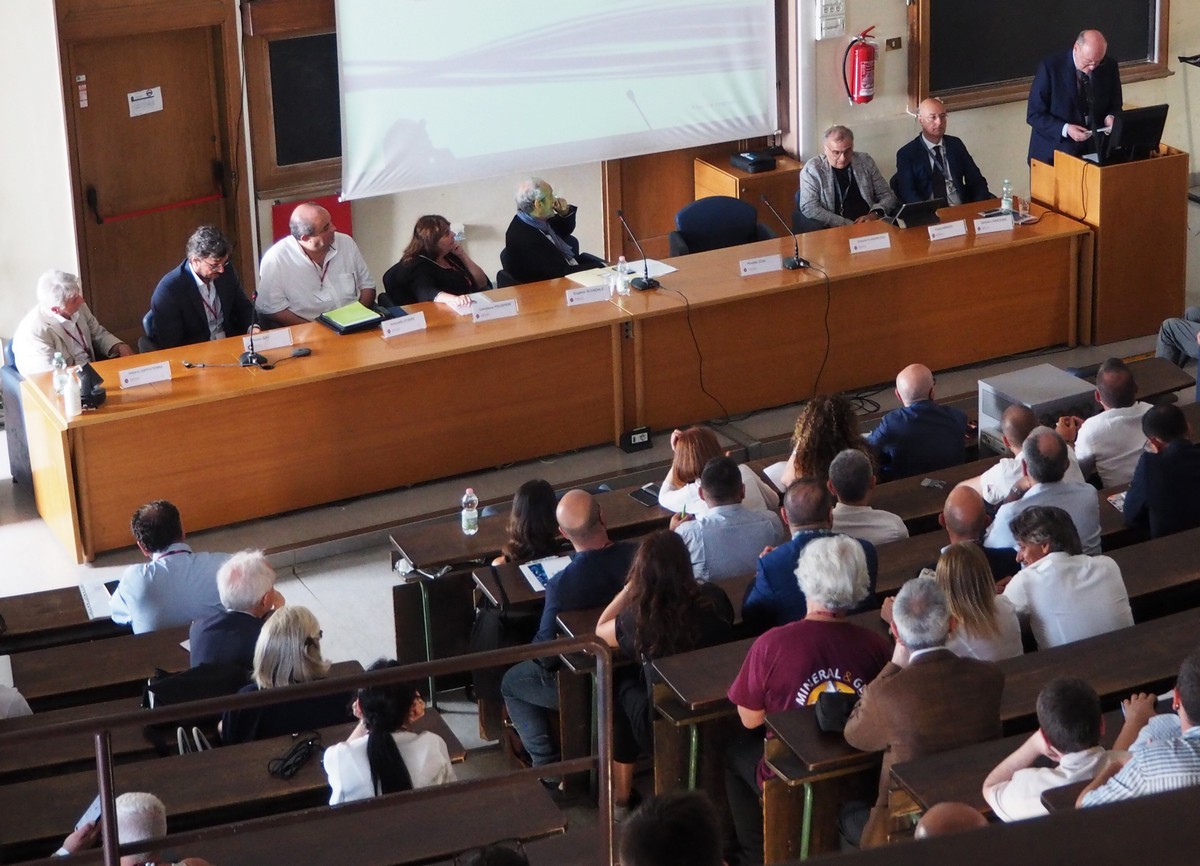
The Italian market continues to be plagued by opaque and sometimes outright fraudulent practices resulting from the casual use of misleading descriptions and terminology, and the launch of these guidelines was attended by a number of participants under the guidance of Professor Scandale: Giovanni B. Andreozzi (Department of Earth Sciences – Sapienza University of Rome), Rinaldo Cusi (Associazione Italiana Gemmologi), Antonello Donini (CISGEM), Rocco Gay (International Colored Gemstones Association), Paolo Minieri (IGR – Rivista Italiana di Gemmologia – Italian Gemological Review), Gennaro Mincione (Oromare), Loredana Prosperi (Istituto Gemmologico Italiano) and Arduino Zappaterra (CNA).
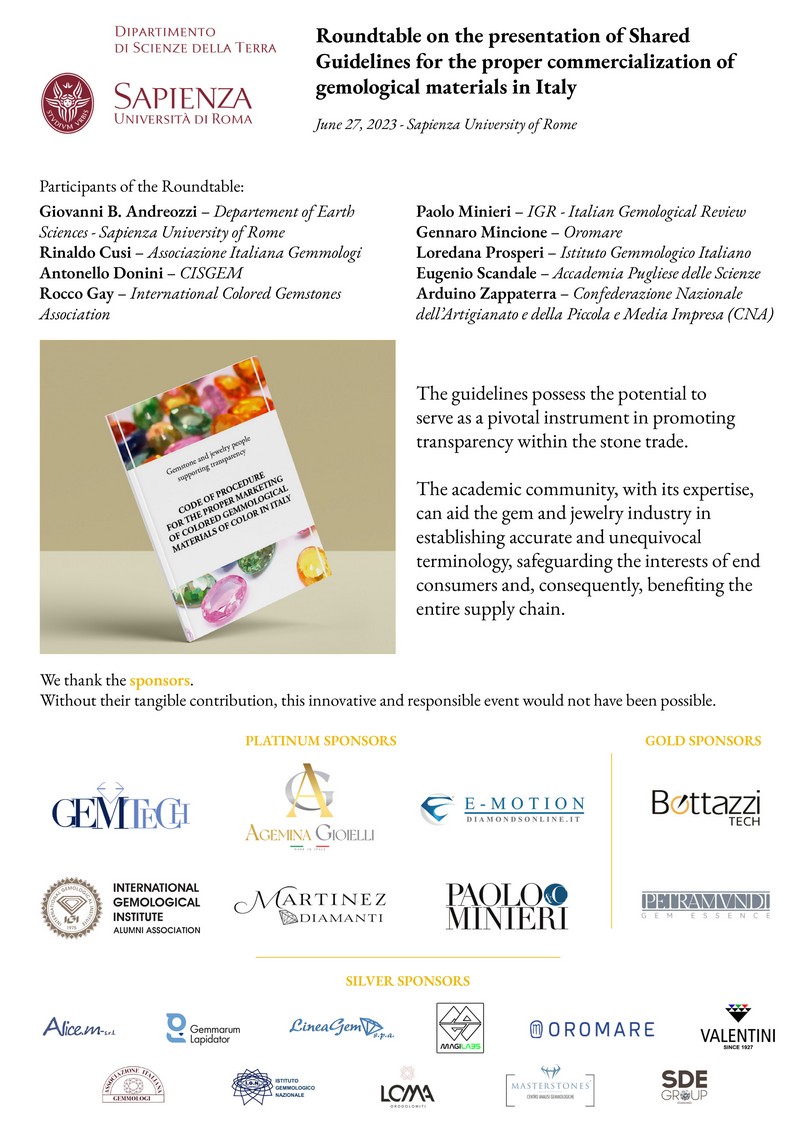
Recognising the importance of this issue and the significant progress that the Italian gem and jewellery industry is now making after numerous regulatory efforts that proved ineffective, the IGR will address this issue in greater detail in its forthcoming 18th issue.
The impossible cuts: the exhibition of gems carved by master cutter Luigi Mariani
Various significant-sized, colorless calcites, along with sphalerite, ilvaite, realgar, pink topaz, smithsonite, pink and color-changing fluorite, scheelite, cerussite, and orthoclase, were displayed by the celebrated Italian mineral cutter, Luigi Mariani. He exhibited a portion of his diverse collection in an adjoining room to where the proceedings of the 5th Conference of Gemmology took place.
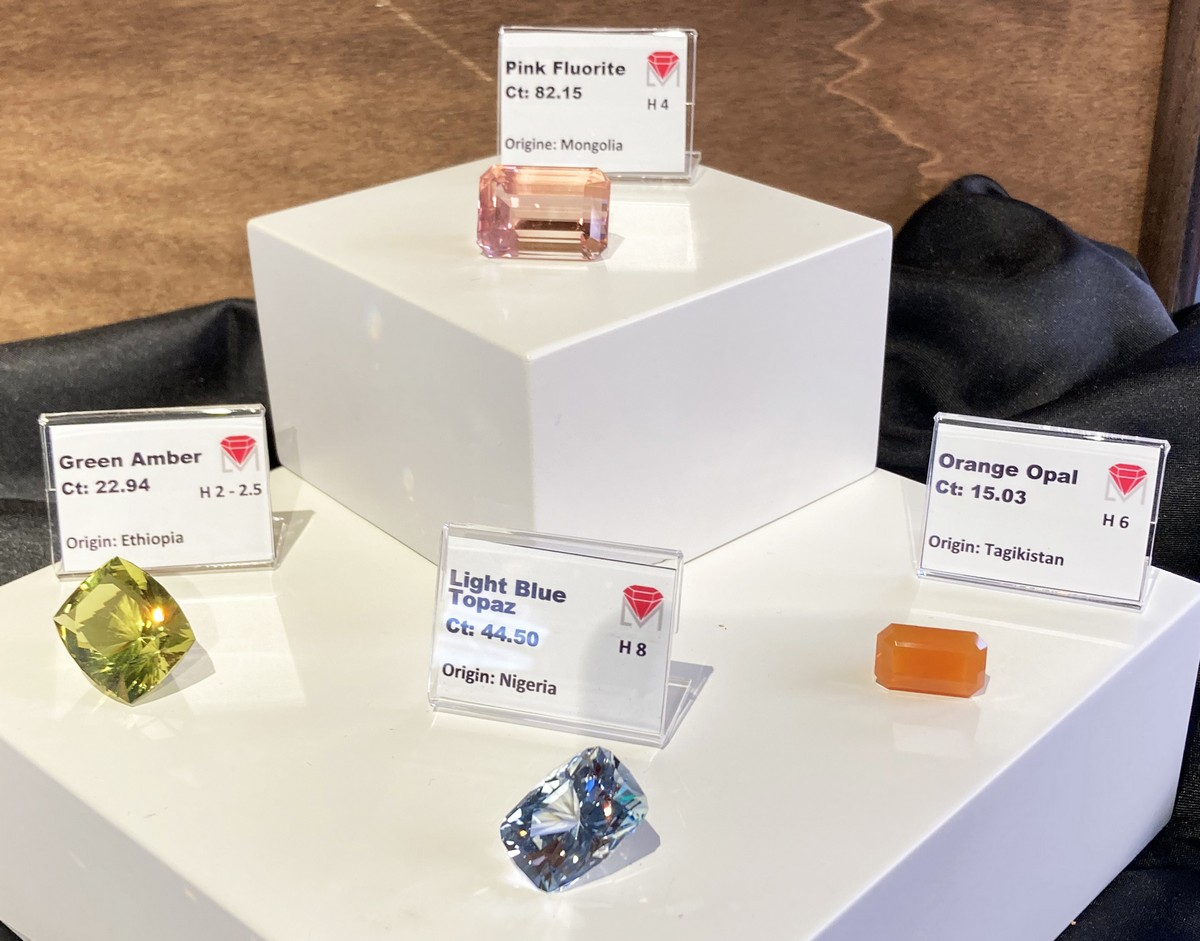
Mariani stated, «I’ve always strived to cut ‘impossible materials’, such as ‘soft’ minerals that even professional lapidaries find challenging». His words resonated with the numerous visitors, particularly the young ones intrigued by the ingenious geometric solutions of his cutting techniques. He emphasized, «Never cease to experiment; even a failure is a valuable lesson from which one can learn!». At the age of 77, Mariani has applied the precision mechanics skills he cultivated throughout his career to the art of lapidary.
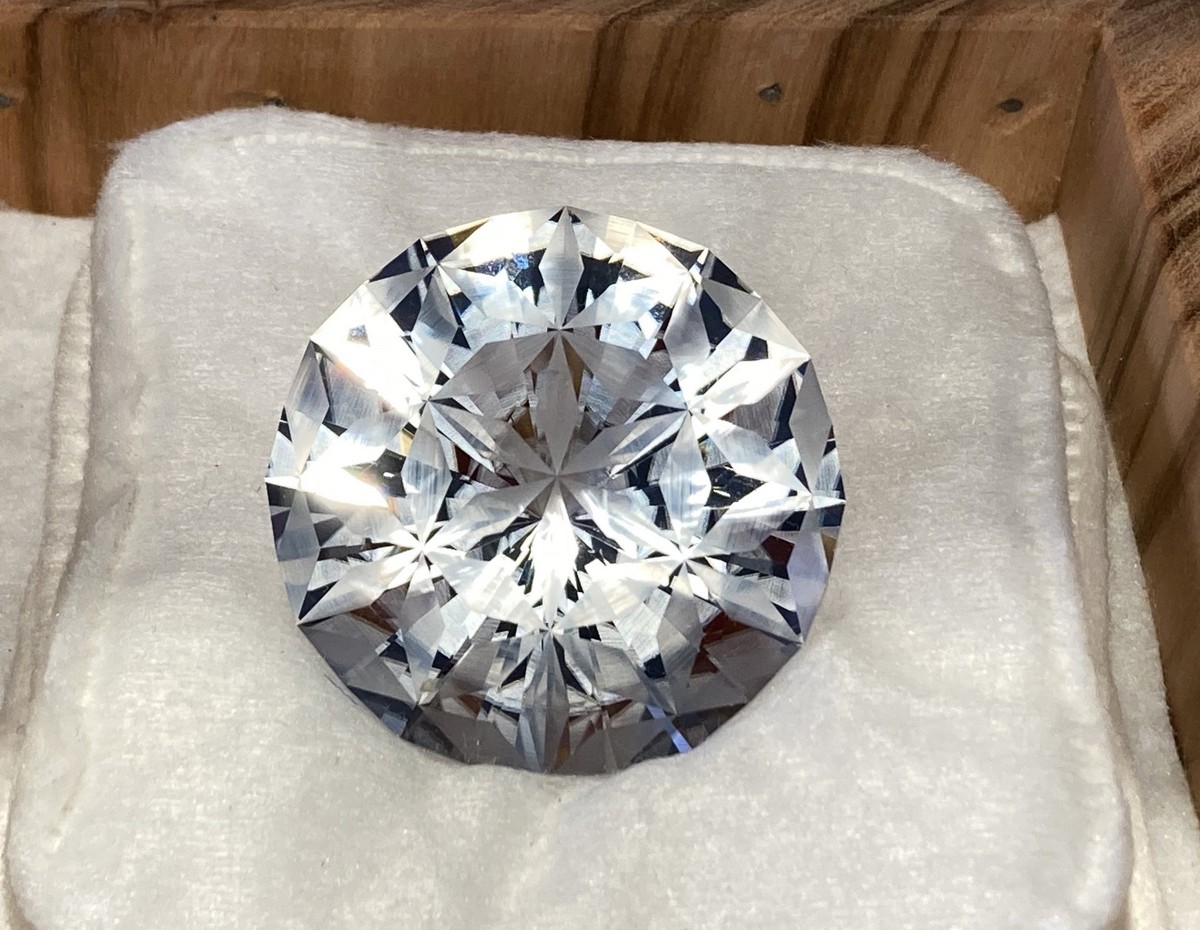
His creations are highly esteemed and are featured in numerous collections.
In a final round, the speed presentations of the selected young speakers
One of the highlights of this year’s edition was the introduction of speed presentations, fast-paced expositions presented by young speakers who used the space dedicated to them to showcase the results of their recent work.
Antonio Angellotti presented a paper dedicated to mineral inclusions in superdeep diamonds from Juína (Brazil); Sara Monico intervened with a research on the new variety of chalcedony called “aquaprase”; Marco Palumbo discussed the results of the analysis of archaeological glasses from the Roman period; and Lorenzo Pasetti devoted himself to the study of tourmalines by Raman spectroscopy; Chiemi Sasajima addressed the topic of Japanese coral and new developments; Flavio Butini illustrated Rose Marie Scappin‘s research devoted to the study and evaluation of 3D elastometric tactile sensors applied to glyptics; Marilisa Yolanda Spironello addressed in her talk the use of Sicilian coral in 15th- and 16th-century masterworks.
Article of Paolo Minieri and Stefania Coppola, published on IGR – Italian Gemological Review #17, Autumn 2023.